
Guide to Trauma Art: Creative Healing Insights for 2026
Trauma art is reshaping how individuals heal emotionally in 2026, providing innovative pathways for recovery and resilience. This guide delves into the impactful role of trauma art in creative healing, merging advances in neuroscience, therapeutic practice, and the power of personal expression.
You will gain a deeper understanding of how trauma art works, discover the latest trends, and learn practical steps for integrating art into trauma recovery. We will explore scientific foundations, diverse healing methods, inspiring real-world examples, and actionable strategies for both individuals and professionals.
By highlighting the prevalence of trauma and revealing art as a transformative force, this guide invites you to explore creative healing for yourself.
Understanding Trauma in 2026: The Invisible Wounds
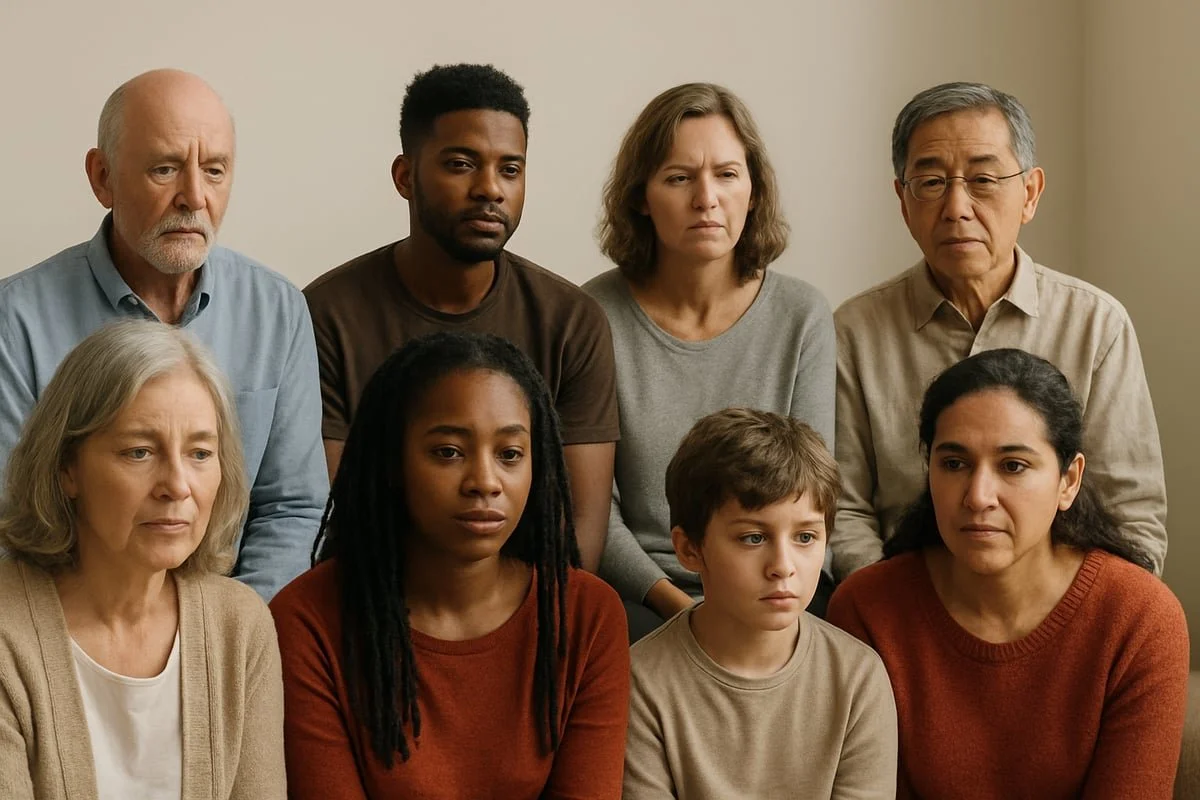
Trauma is often called an invisible wound. Its effects ripple quietly through lives, families, and communities. In 2026, understanding trauma is more critical than ever, as its prevalence and impact continue to grow.
Understanding Trauma in 2026: The Invisible Wounds
Defining Trauma and Its Prevalence
Trauma is an emotional response to distressing or life-threatening events, such as abuse, violence, or disasters. In the United States, about 70% of adults report experiencing at least one traumatic event during their lifetime. This staggering statistic illustrates just how widespread trauma is.
Recent years have seen a surge in trauma exposure. Ongoing public health crises, social unrest, and global events have increased vulnerability, particularly among youth. Marginalized groups face even higher risks. For example, Black youth accounted for 46% of firearm deaths in 2021, underscoring systemic disparities.
The effects of trauma are not limited to individuals. Families, workplaces, and entire communities can feel the aftermath for years. The growing need for trauma art reflects a shift toward more holistic and accessible healing options.
The Neurological and Psychological Impact of Trauma
Trauma leaves a mark on the brain. When a person faces danger, the body’s fight or flight response floods the system with adrenaline and noradrenaline. Over time, repeated exposure to trauma can lead to persistent psychological symptoms—PTSD, anxiety, and mood disturbances.
Neuroimaging studies reveal that trauma changes the structure and function of the brain. Key regions affected include:
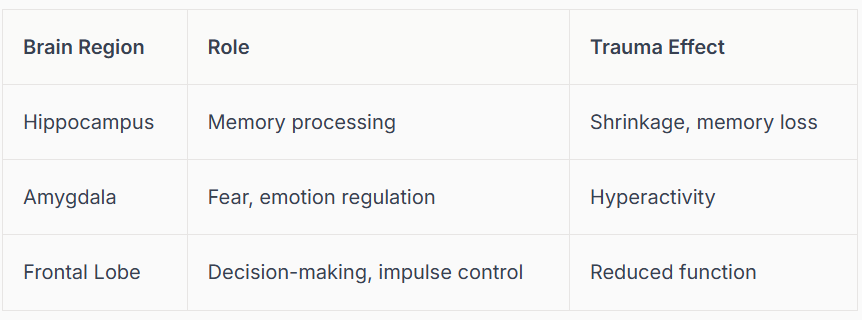
Table of Neuroimaging Studies
Children are especially vulnerable. Developing brains may show changes in gray matter, affecting emotional regulation and stress response. These invisible wounds disrupt daily life, relationships, and self-perception. For a deeper dive into the brain’s response, see How Trauma Impacts the Brain.
Barriers to Traditional Healing
Many people do not recover from trauma on their own. Chronic PTSD and complex trauma can persist for years. Stigma often prevents individuals from seeking help. Others face limited access to care, or struggle to find the words to describe their experiences.
Traditional talk therapy is not always enough. Some people find it difficult to verbalize what they have been through. This is where trauma art becomes vital. Creative approaches offer new pathways for healing, especially for those who feel stuck or unheard.
As we move forward, integrating trauma art into recovery is essential. It opens doors to emotional expression, connection, and resilience for people from all walks of life.
The Science Behind Trauma Art: How Creativity Heals
Understanding how trauma art supports healing begins with recognizing the unique power of creative expression. For many, art is not just a pastime but a lifeline, offering a safe outlet for emotions that words cannot capture.
The Science Behind Trauma Art: How Creativity Heals
The Healing Power of Artistic Expression
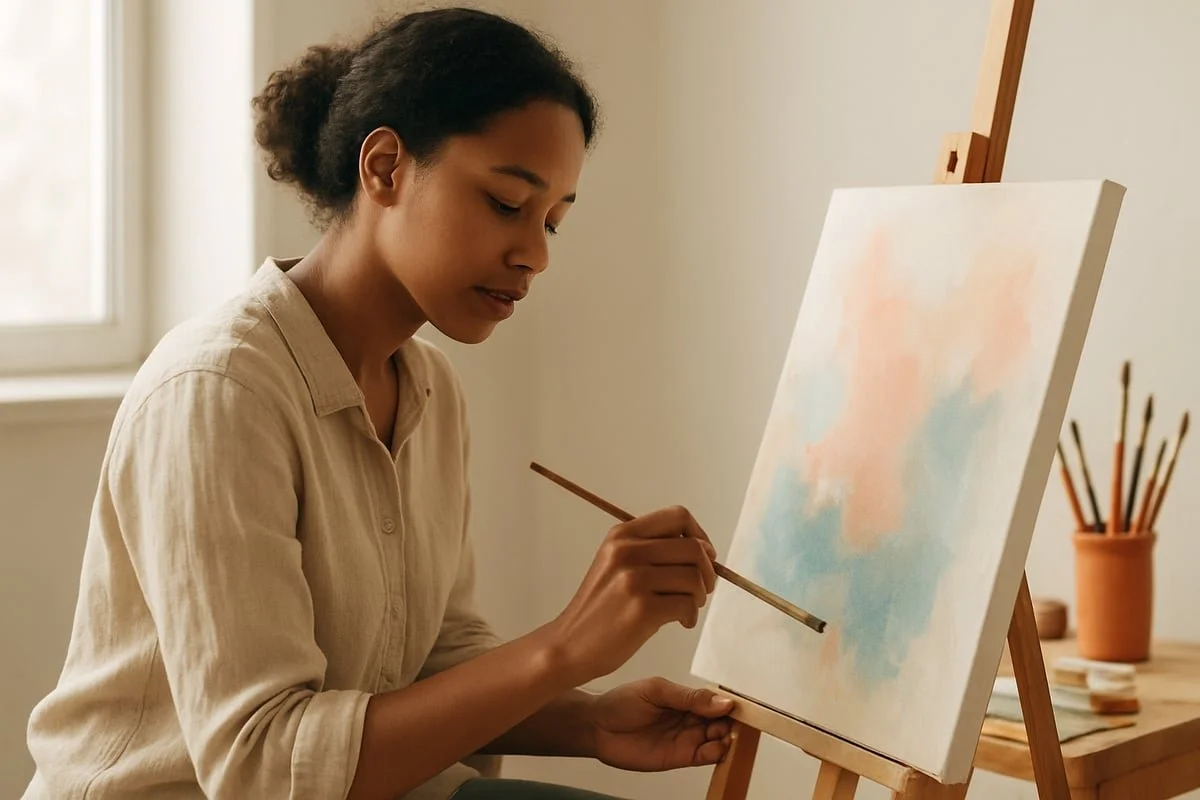
Trauma art allows survivors to externalize their internal experiences. Through painting, drawing, music, or movement, people give shape to feelings that may be too painful or complex to verbalize. Art therapy, a growing discipline, blends psychotherapy with creativity, providing a structured space to explore emotions.
This process offers a nonverbal vocabulary, especially valuable when trauma disrupts language centers in the brain. By engaging in trauma art, individuals can process memories, release tension, and gradually regain a sense of control. Artistic expression also fosters self-discovery, helping people reconnect with their identities beyond trauma.
Art activities can be adapted to suit any comfort level. From simple doodling to more immersive projects, the focus remains on personal expression and emotional safety.
Neuroscience of Art and Emotional Regulation
The impact of trauma art goes beyond subjective experience. Neuroscience reveals that creative activities activate brain regions linked to emotional regulation, such as the medial prefrontal cortex and amygdala. Engaging with art—whether making or viewing—enhances brain connectivity, supporting resilience and flexibility.
Research shows that trauma art reduces anxiety, improves mood, and can even support cognitive function. For instance, studies using neuroimaging have found changes in the hippocampus and frontal lobe, areas crucial for memory and decision-making. Music, visual arts, and movement each stimulate different neural networks, allowing individuals to process a wide range of emotions.
These findings highlight why trauma art is increasingly included in holistic healing plans. By nurturing neuroplasticity, creative practices help rebuild pathways disrupted by trauma.
Art as a Complement to Traditional Therapy
Trauma art is often used in tandem with talk therapy, creating a more holistic approach to recovery. For individuals who struggle to articulate their trauma, art therapy offers a safe bridge to deeper healing. This combination is especially beneficial for those with PTSD or complex trauma, where conventional methods may fall short.
Recent research supports the effectiveness of integrating art therapy with established treatments. For example, a randomized controlled trial found that combining art therapy with cognitive processing therapy improved outcomes for combat-related PTSD. These results underscore the value of trauma art as a flexible, evidence-based complement to traditional interventions.
Art therapists work to tailor creative activities to each individual, ensuring cultural sensitivity and emotional safety throughout the process.
Real-World Examples and Case Studies
The real impact of trauma art is evident in powerful stories from diverse settings. Artist Nick Cave’s Tondo works, inspired by brain scans of trauma-affected youth, visually represent the deep scars of gun violence. Such pieces demonstrate how trauma art can translate lived experience into visual language, fostering empathy and dialogue.
In clinical settings, healthcare workers have turned to drawing or music to process workplace trauma, finding relief and renewed resilience. Community programs use trauma art to support collective healing after disasters, offering safe spaces for shared expression.
These examples highlight trauma art’s versatility and transformative potential. Whether in hospitals, schools, or homes, trauma art continues to open new pathways for recovery and connection.
Types of Trauma Art: Modalities and Approaches
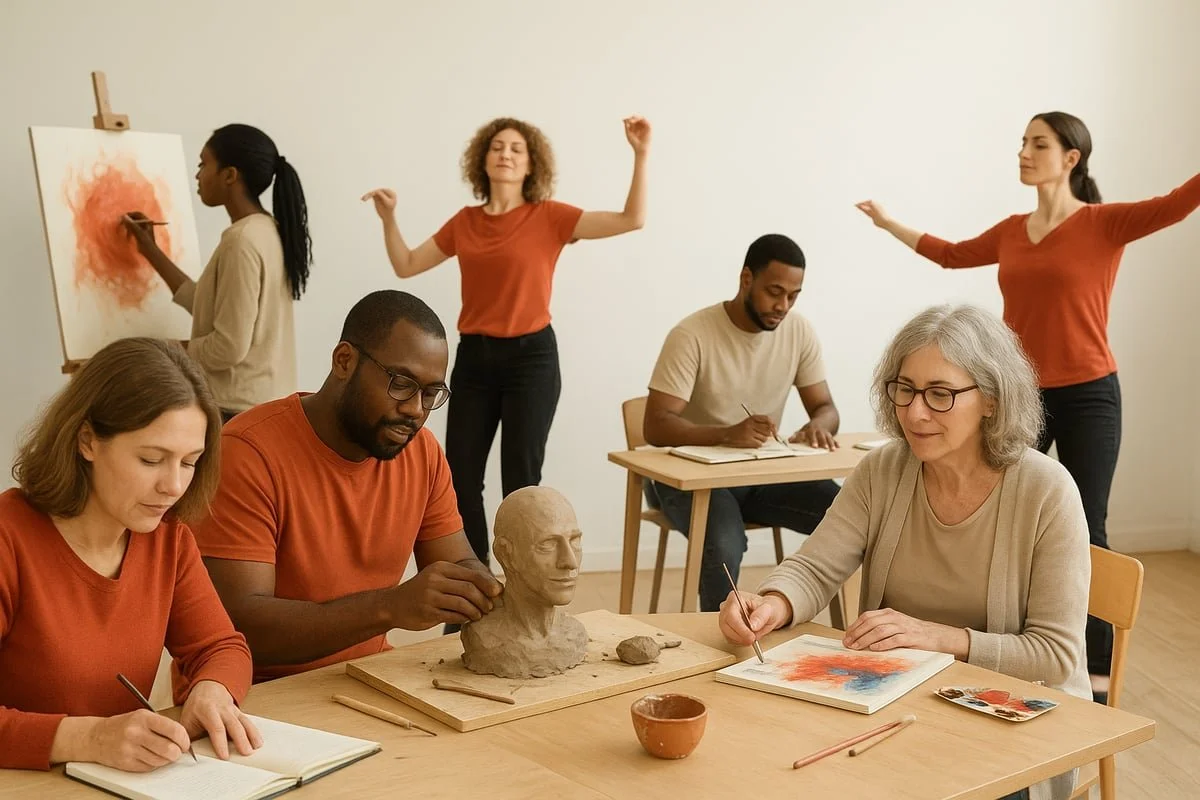
Exploring trauma art reveals a rich landscape of creative healing. Each modality offers unique ways to express, process, and transform emotional pain. Whether you are drawn to painting, movement, or digital innovation, trauma art provides accessible tools for recovery. Let us examine the primary approaches shaping trauma art in 2026.
Types of Trauma Art: Modalities and Approaches
Visual Arts: Painting, Drawing, Sculpture
Visual arts remain a cornerstone of trauma art. Painting and drawing create a safe space for self-discovery and emotional release, inviting individuals to externalize inner turmoil. Sculpture and ceramics offer a tactile dimension that grounds healing in the body, while adult coloring and doodling make creative expression approachable for all.
Case studies, such as Nick Cave’s Tondo works, demonstrate how trauma art visually represents the impact of violence. Research supports these methods—Active Visual Art Therapy and Health Outcomes: A Systematic Review and Meta-Analysis highlights the effectiveness of visual art therapy for emotional and cognitive well-being.
Trauma art in visual form can include:
Abstract painting to process emotions
Clay sculpting for sensory integration
Collaborative mural projects for community healing
By translating feelings into images, trauma art bypasses verbal barriers and supports deep reflection.
Music and Sound-Based Healing
Music is a powerful tool within trauma art. Music therapy uses sound to regulate mood, evoke memories, and facilitate emotional release. Both active participation, such as singing or playing instruments, and passive engagement, like listening or attending sound baths, support healing.
Studies show music can help protect memory, improve mental flexibility, and process a wide range of emotions. Jazz musicians’ brain studies reveal that different neural networks activate based on emotional prompts, underscoring music’s versatility in trauma art.
Common music-based trauma art practices include:
Group drumming circles
Personalized playlists for mood regulation
Guided songwriting sessions
Music therapy within trauma art makes healing accessible, especially for those challenged by verbal expression.
Movement and Dance Therapy
Movement is essential to trauma art, especially for those whose trauma is stored in the body. Dance and movement therapy integrate physical activity with emotional processing, helping release “stuck” feelings and restore nervous system balance.
Somatic approaches within trauma art emphasize body awareness and mindful movement. Trauma-focused dance programs and community workshops allow participants to reconnect with their bodies safely.
Key elements of movement-based trauma art:
Improvisational dance for self-expression
Structured movement routines for grounding
Gentle stretching paired with music
Movement within trauma art encourages reconnection, resilience, and a renewed sense of safety.
Creative Writing and Storytelling
Creative writing serves as a vital modality in trauma art. Journaling, poetry, and narrative therapy offer outlets for reflecting on and reframing traumatic experiences. Through words, individuals can explore memories, develop self-compassion, and foster healing.
Trauma art in writing includes:
Journaling prompts for emotional clarity
Group storytelling circles for connection
Personal poetry to articulate pain and hope
Writing as trauma art supports both individual and shared journeys, helping to build meaning and resilience.
Digital and Multimedia Art
Digital innovation is transforming trauma art. Digital collages, video art, and immersive virtual reality experiences offer new ways to explore and express trauma. Online communities and teletherapy platforms have expanded access to creative healing, making trauma art more inclusive.
Emerging trends in trauma art for 2026 feature:
AI-assisted art therapy tools
Virtual reality for safe trauma exploration
Digital storytelling platforms
Digital trauma art meets people where they are, blending technology and creativity for modern healing.
Integrative and Culturally-Informed Practices
Trauma art thrives when informed by culture and tradition. Integrative approaches blend creative modalities with rituals, community art, and indigenous healing practices. Collaborative projects such as murals or group installations foster collective healing and honor diverse experiences.
Important aspects of culturally informed trauma art:
Community murals reflecting shared stories
Use of traditional art forms in therapy
Peer-led creative healing circles
Cultural sensitivity ensures trauma art is accessible and meaningful to all, supporting holistic recovery.
Step-by-Step Guide: Using Trauma Art for Healing in 2026
Embarking on a trauma art journey can be both empowering and transformative. This guide will walk you through each step, ensuring you approach creative healing with confidence and clarity.
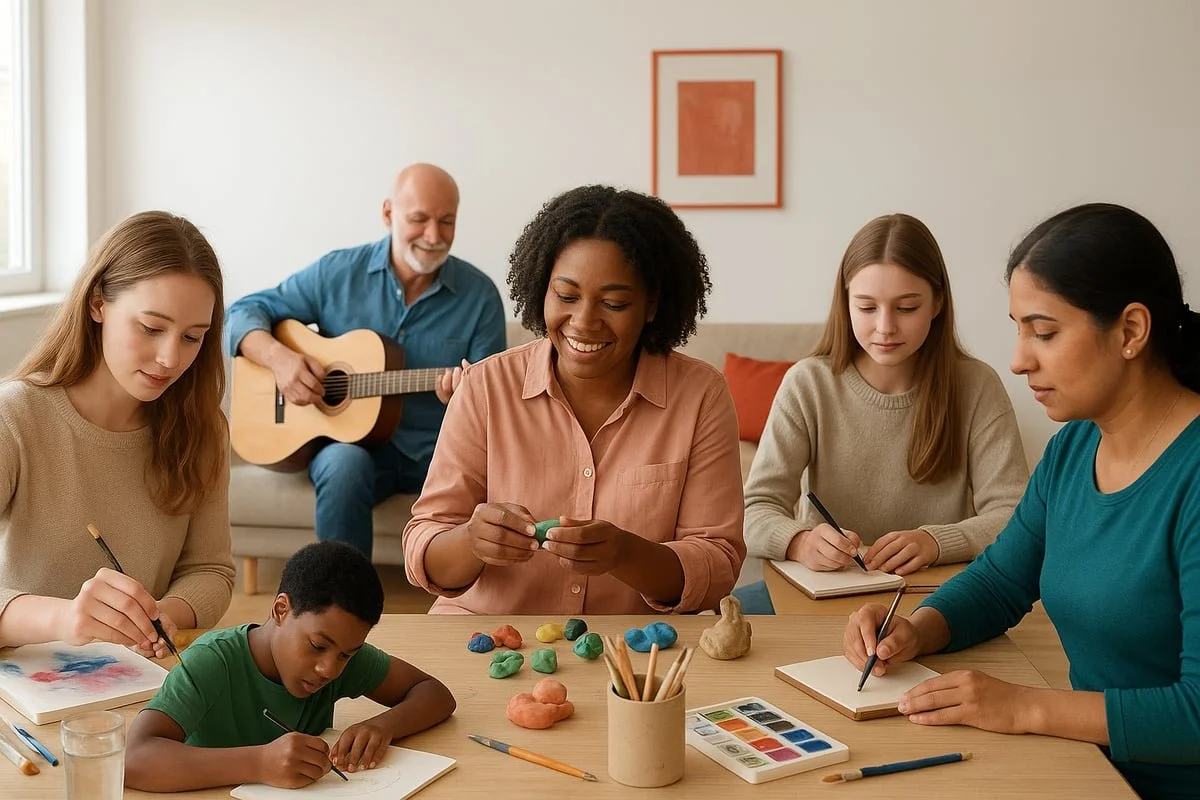
Step-by-Step Guide: Using Trauma Art for Healing in 2026
1. Assessing Readiness and Setting Intentions
Before you begin, pause to reflect on your relationship with creativity. Have you used art as an outlet before, or is this your first time exploring trauma art? Consider what draws you to this process—do you seek emotional release, better self-understanding, or help with stress?
Identify your goals. They might include:
Expressing difficult emotions
Processing memories
Reducing anxiety
Building resilience
Safety is essential. Notice any potential triggers. If thinking about certain topics feels overwhelming, plan for support. Establish boundaries for yourself, such as taking breaks or reaching out to a trusted person if needed.
2. Choosing the Right Modality
Trauma art takes many forms. Some people prefer visual arts like painting or drawing, while others connect with music, movement, or writing. Reflect on what feels most accessible and inviting to you.
Consider these factors when choosing your modality:
Comfort with different art forms
Availability of materials (paints, journals, instruments)
Preference for solo or group settings
Digital options are also expanding. Virtual reality art, digital collages, and online workshops offer new ways to engage. Select a modality that supports your healing goals and feels manageable.
3. Creating a Safe and Supportive Environment
A nurturing space can enhance the trauma art process. Designate a physical or virtual area for your creative work. This could be a quiet corner, a dedicated room, or even an organized digital workspace.
Enhance your environment with calming elements:
Soft lighting
Gentle background music
Objects of comfort (blankets, plants)
Set clear boundaries. Decide how much time you will spend, and keep supportive contacts nearby if needed. Safety and comfort are the foundation for creative healing.
4. Engaging in the Creative Process
Begin with simple, low-pressure activities. Trauma art does not require advanced skills. Try coloring, free drawing, listening to music, or gentle movement to start.
Use prompts to guide your expression, such as:
Draw or paint your safe place
Create a song for your younger self
Write a poem about a memory
Allow emotions to surface without judgment. The goal is not to create a masterpiece but to give voice to your inner experience. Be gentle with yourself as you explore.
5. Processing and Reflecting on Your Art
After making art, take time to observe what you created. Notice any emotions, memories, or insights that arise. Trauma art often brings unexpected feelings to the surface.
Consider these reflection strategies:
Journaling about your experience
Sharing your art with a trusted friend or therapist
Discussing feelings within a support group
Reflection deepens self-awareness and can reveal new perspectives on your healing journey.
6. Integrating Art into Ongoing Healing
Consistency is key. Make trauma art a regular part of your self-care routine, whether weekly or daily. Track your progress by noting shifts in mood, resilience, or self-perception.
If you want more structure, consider professional guidance. For a comprehensive overview of creative and holistic recovery strategies, see Therapy for Trauma Recovery. This resource explores how trauma art can be combined with other therapeutic approaches for sustainable healing.
7. When to Seek Professional Help
Sometimes, trauma art brings up powerful or overwhelming emotions. If you notice distressing memories, intense sadness, or anxiety that feels unmanageable, it may be time to seek support.
Look for a trauma-informed art therapist or creative healing group. Virtual and in-person options are widely available in 2026. Remember, reaching out for help is a sign of strength and a vital step in your recovery.
Trauma Art in Professional Practice: Insights for Therapists and Community Leaders
The integration of trauma art into professional practice has become a cornerstone of holistic trauma recovery in 2026. Therapists and community leaders are increasingly leveraging creative modalities to support individuals who might not respond fully to traditional talk therapy alone. Trauma art offers a nonverbal pathway to healing, bridging the gap between lived experience and emotional expression.
The Role of Art Therapy in Modern Trauma Treatment
Art therapy has become an evidence-based adjunct to psychotherapy and somatic modalities. In clinical practice, therapists use trauma art to help clients externalize complex emotions that are often too difficult to verbalize. This approach is particularly valuable for high-achieving adults, healthcare workers, and those from marginalized backgrounds who may face unique barriers to traditional care.
Trauma art is integrated into treatment plans for PTSD, complex trauma, and professional burnout. By combining creative expression with neuroscience and compassion, therapists facilitate breakthroughs that conventional methods may not achieve. The flexibility of trauma art allows for individualized care and sustained progress.
Training and Certification for Art Therapists
Professional standards for trauma art therapists in 2026 are rigorous and evolving. To become credentialed, practitioners complete specialized graduate programs that emphasize trauma-informed care, cultural competence, and digital art therapy. Ongoing education is essential, as new research and technologies reshape the field.
Collaboration is a key theme. Art therapists often work alongside somatic practitioners, community organizers, and digital artists to expand the reach of trauma art. This multidisciplinary approach ensures that care remains relevant, accessible, and effective for diverse populations.
Group and Community-Based Trauma Art Programs
Group trauma art programs foster social connection and collective resilience. Community-based initiatives, such as collaborative murals or school-based art therapy, create safe spaces where individuals can share their stories without fear of judgment. These programs are especially powerful for marginalized groups who may lack access to private therapy.
Museums and mental health organizations have also partnered to host trauma art exhibitions and workshops. Such efforts build inclusive environments that normalize healing, reduce stigma, and promote shared growth. Community leaders play a vital role in designing programs that honor cultural diversity and lived experience.
Measuring Outcomes and Impact
Evaluating the effectiveness of trauma art interventions requires both qualitative and quantitative tools. Clinicians use self-report scales, observational checklists, and creative outcome measures to track progress in trauma recovery. Recent studies, such as the Effectiveness of Trauma-Focused Art Therapy (TFAT) for psychological trauma: A mixed method single case study, highlight significant reductions in PTSD symptoms and emotional distress through art-based approaches.
Testimonials from clients and practitioners further underscore the transformative power of trauma art. By documenting changes in mood, resilience, and self-perception, therapists demonstrate the measurable impact of creative healing on both individuals and groups.
Zen with Zur: Trauma-Focused Therapy and Creative Healing
Zen with Zur: Trauma-Focused Therapy and Creative Healing exemplifies the modern integration of trauma art within professional practice. Their model blends neuroscience, somatic tools, and creative approaches to support high-achieving adults in breaking free from survival patterns. Services include online therapy, trauma intensives, and consulting for both individuals and professionals.
Zen with Zur emphasizes personalized care, rapid results, and ongoing support. Their team applies trauma art and somatic modalities to help clients achieve sustainable transformation. For more on their integrative methods, explore their insights on Somatic Tools for Generational Trauma, which highlight the synergy between body-based and creative healing.
The Future of Trauma Art: Trends and Innovations for 2026
The landscape of trauma art is rapidly evolving, offering exciting possibilities for healing and social change in 2026. Emerging technologies, new research, and a growing emphasis on inclusion are reshaping how individuals and communities use creative expression to address trauma.
Evolving Modalities and Technology
Digital innovation is transforming trauma art. Virtual reality environments and AI-assisted creative tools are making art therapy more immersive and personalized. Teletherapy platforms enable people worldwide to access trauma art interventions from home. Biometric feedback and neurofeedback are being woven into creative healing, allowing real-time monitoring of emotional states during art-making.
These advancements are not only expanding access but also deepening the impact of trauma art. As technology progresses, individuals can tailor their experience, choose from a range of modalities, and track their growth through interactive platforms.
Art in Public Health and Social Advocacy
Trauma art is increasingly visible in public life, raising awareness and destigmatizing mental health challenges. Art installations and community exhibitions address collective trauma, such as gun violence or pandemic grief, engaging audiences in powerful conversations. Museums and mental health organizations are collaborating to bring trauma art into shared spaces, fostering dialogue and connection.
Public campaigns and participatory projects are using trauma art to drive policy discussions and support healing at a community level. These efforts help ensure that creative expression becomes central to public health and advocacy.
Culturally Responsive and Inclusive Practices
The future of trauma art is grounded in cultural sensitivity and inclusivity. Practitioners are honoring diverse traditions by integrating indigenous arts, collaborative murals, and peer-led initiatives. Efforts focus on making trauma art accessible to marginalized populations and those with limited resources.
Culturally informed practices ensure that trauma art resonates personally and collectively. By valuing lived experiences, these approaches bridge gaps in care and foster a sense of belonging for every participant.
Research and Policy Developments
Scientific research on trauma art is uncovering new insights into how creative processes affect the brain and support recovery. For example, recent studies on mask-making in art therapy show measurable emotional changes in military personnel with post-traumatic stress symptoms. To learn more, see Art therapy masks reflect emotional changes in military personnel with PTSS.
Policy is also catching up, with increased funding for trauma art programs in schools and healthcare. Advocacy groups are pushing for art-based interventions to become standard components in trauma treatment, guided by the latest neurobiological findings.
Empowering Individuals and Communities
Trauma art empowers individuals to reclaim their stories and build resilience through everyday creative practices. Communities are finding hope and connection by embracing trauma art, whether through group projects or personal expression.
As trauma art becomes more accessible, it inspires post-traumatic growth and collective healing. The future calls for everyone to explore trauma art as a vital tool for personal and social transformation.
Local Support |
PA, NC & SC

Mariah J. Zur | Therapy Intensives in Raleigh, Pittsburgh and across NC, SC, PA
I offer focused therapy intensives for adults who are still functioning but feel worn down by constant pressure, anxiety, or patterns that no longer work. This work is designed for people who want depth, clarity, and relief without labels or long-term weekly therapy. If you’re in North Carolina, South Carolina, or Pennsylvania and curious whether an intensive format could be supportive, you’re welcome to learn more.


Join me on Facebook, Instagram, Pinterest, Google orTikTok for more educational tips, trauma recovery insights, and updates on therapy intensives in Pennsylvania, North Carolina, and South Carolina.
Disclaimer
The content shared here is for educational and informational purposes only. It is not a substitute for psychotherapy, medical care, or individualized mental health treatment. Reading this blog or engaging with my content does not establish a therapeutic relationship.
If you are experiencing significant distress or feel you need personalized support, I encourage you to seek care from a licensed mental health professional in your state. Therapy is deeply personal, and the right support should be tailored to your specific needs, pace, and circumstances.
For adults located in North Carolina, South Carolina, or Pennsylvania who are seeking focused, confidential support, I offer customized therapy intensives designed to address chronic stress, internal pressure, and patterns that no longer work. Information about these services can be found throughout this site.
About the Author
Mariah Zur, LPC is a licensed therapist who works with high-achieving adults navigating chronic stress, internal pressure, and the quiet unraveling that can happen beneath outward success. Her work is especially suited for individuals who are highly functional, deeply self-aware, and exhausted from holding everything together.
Mariah offers therapy intensives for adults seeking focused, contained support without labels, long-term weekly therapy, or unnecessary exposure. Her approach is grounded, relational, and nervous-system informed, helping clients slow the internal spiral, regain a sense of control, and move forward with clarity and steadiness.
She provides intensive therapy services online across North Carolina, South Carolina, and Pennsylvania, with in-person options available in Raleigh, NC.
Credentials
Mariah J. Zur, MS, LPC
Licensed Professional Counselor
Doctoral Student, Counselor Education and Supervision
