
Healing from Childhood Trauma Guide: Pathways to Renewal 2026
Childhood trauma can cast a long shadow over a person’s life. Yet, in 2026, new pathways to renewal are transforming how individuals approach healing from childhood trauma, offering hope and practical solutions.
This guide provides a comprehensive, step-by-step roadmap for those seeking healing from childhood trauma. It brings together the latest research, proven expert strategies, and real-world tools for lasting personal renewal.
You will learn what childhood trauma is, its lifelong effects, the stages of healing, and which evidence-based therapies and self-guided practices foster recovery. Discover how to build a resilient, hope-filled future.
Millions are affected by childhood trauma, but renewal is possible. Take the first step on your healing journey, and let this guide be your trusted companion.
Understanding Childhood Trauma: Definitions, Types & Prevalence
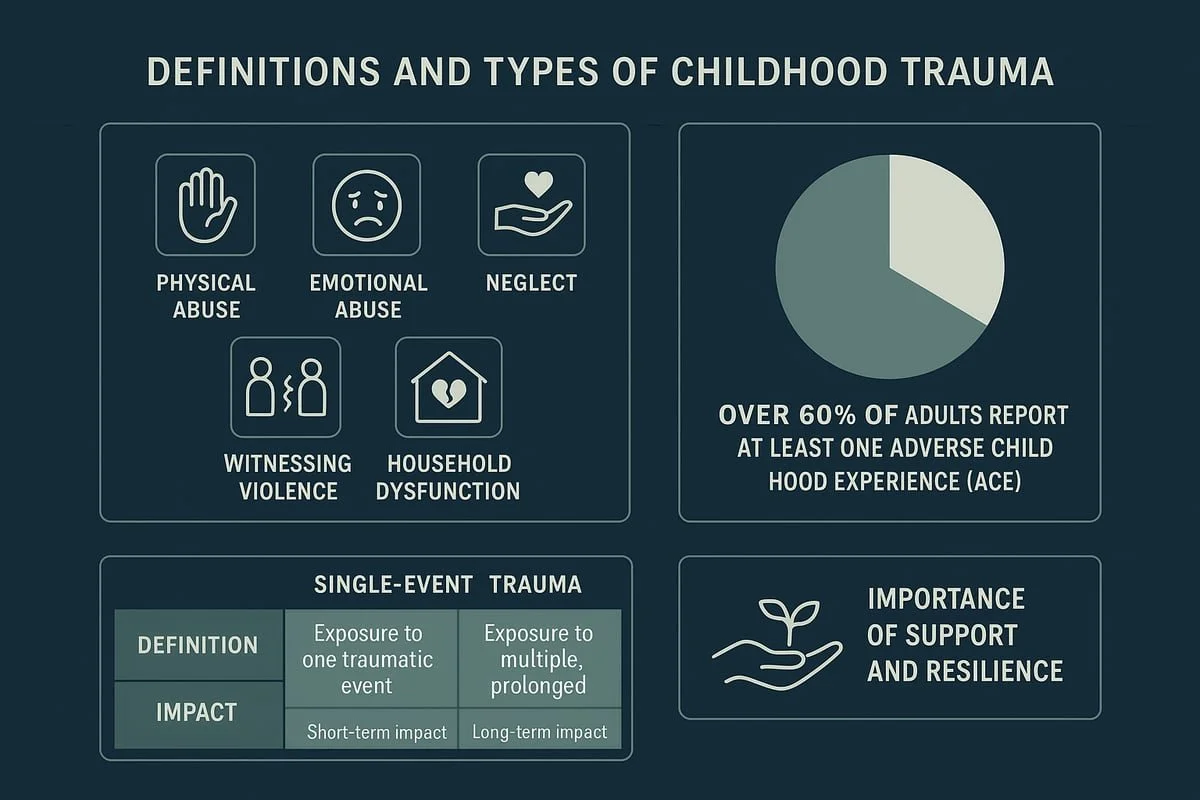
Childhood trauma is any deeply distressing or disturbing experience that occurs before age 18, overwhelming a child’s capacity to cope. These events can disrupt emotional development and leave lasting marks on health and wellbeing. Understanding what counts as trauma is the first step toward healing from childhood trauma.
Understanding Childhood Trauma: Definitions, Types & Prevalence
Types of Childhood Trauma
Childhood trauma comes in many forms, each with unique impacts. The most recognized types include:
Physical abuse: Infliction of physical harm or threats.
Emotional abuse: Constant criticism, humiliation, or rejection.
Sexual abuse: Any unwanted sexual activity or exposure.
Neglect: Failure to provide basic emotional or physical care.
Witnessing violence: Seeing domestic violence, community violence, or crime.
Parental loss: Experiencing the death or separation from a caregiver.
Household dysfunction: Living with family members struggling with mental illness or substance abuse.
These experiences can be isolated or ongoing, but all have the potential to shape a child's sense of safety and self.
Adverse Childhood Experiences (ACEs)
A landmark study introduced the concept of Adverse Childhood Experiences (ACEs), which measures exposure to different types of trauma. Research shows that more than 60% of adults report at least one ACE, and one in six has experienced four or more. The higher a person’s ACE score, the greater their risk for mental health challenges, chronic disease, and difficulties in adulthood.

Adverse Childhood Experiences (ACEs) Statistics
For a deeper dive into definitions, types, and prevalence, see Understanding Childhood Trauma.
Real-Life Scenario
Imagine a child growing up with a parent struggling with addiction. Daily unpredictability, emotional absence, and missed meals become the norm. The child learns to stay alert for signs of danger, often missing out on comfort and stability. This is a common scenario for those on a journey of healing from childhood trauma.
The Spectrum of Trauma
Trauma can result from a single, shocking event or from chronic, repeated stressors. Single-event trauma might include a car accident or natural disaster, while complex trauma develops from ongoing abuse, neglect, or instability. Recognizing where an experience falls on this spectrum is vital for tailored healing from childhood trauma.
Experience and Support Matter
It is essential to understand that trauma is not just about what happened, but how it was experienced and whether support was available. Some traumas are visible, like physical abuse, while others are hidden, such as emotional neglect or the absence of affection. Invisible wounds can be just as damaging and often require intentional focus during healing from childhood trauma.
Grasping the definitions, types, and prevalence of childhood trauma empowers individuals to name their experiences and begin the path toward renewal.
The Lasting Impact: How Childhood Trauma Shapes Adulthood
Childhood experiences leave deep imprints, often shaping the journey into adulthood in ways that are both visible and hidden. For many, the process of healing from childhood trauma means understanding how early adversity can echo through emotions, behaviors, and relationships. These effects are real but, with the right support, they do not have to define a person’s future.
Emotional effects are among the most significant and persistent outcomes of early trauma. Adults who are healing from childhood trauma often report chronic anxiety, depression, overwhelming shame, and difficulty trusting others. These feelings can appear without warning or linger beneath the surface for years. Many survivors struggle to regulate emotions, leading to unpredictable mood swings or emotional numbness.
Behavioral symptoms also arise, sometimes as coping mechanisms developed in childhood. Risk-taking behaviors, substance abuse, and difficulty maintaining healthy routines are common. The inability to manage stress effectively can lead to impulsive decisions or self-sabotaging patterns. This cycle can feel discouraging, yet recognizing these patterns is a vital step toward healing from childhood trauma.
Physical health is not immune to the consequences of early adversity. Studies show that adults with a history of trauma are at greater risk for chronic illnesses such as heart disease, autoimmune disorders, and diabetes. According to the CDC, individuals with four or more Adverse Childhood Experiences are twice as likely to develop heart disease and depression. The body remembers what the mind tries to forget, making physical self-care a crucial part of healing from childhood trauma.
Relationships often reflect the invisible wounds left by trauma. Issues with intimacy, attachment, and boundaries can make it difficult to form or sustain healthy connections. For example, Jessica, a survivor of childhood neglect, found herself trapped in cycles of burnout and toxic relationships. Only by addressing her early experiences was she able to break free and begin healing from childhood trauma.
Cognitive impacts are just as profound. Negative self-beliefs, impaired concentration, and hypervigilance can cloud everyday life. Survivors may find themselves stuck in patterns of self-doubt or constantly on alert for danger. It is important to remember that these effects are pervasive, but not permanent. As highlighted in How childhood trauma affects adulthood, understanding and addressing these impacts is a crucial part of the journey toward renewal.
Healing from childhood trauma is possible. Each step, from recognizing the effects to seeking support, brings hope and the possibility of lasting change. With knowledge, compassion, and the right tools, adults can transform the legacy of their past into a foundation for a healthier, more resilient future.
The Healing Journey: Stages & Pathways to Renewal
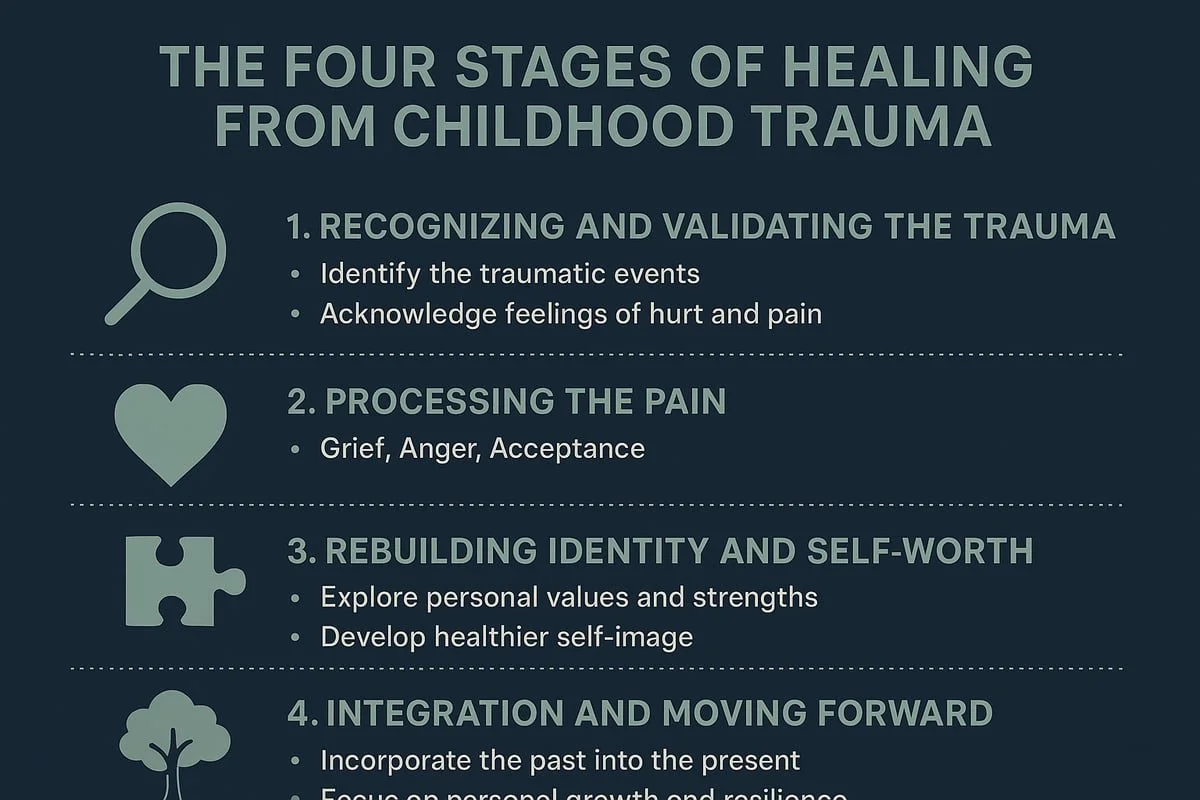
Understanding the stages of healing from childhood trauma is essential for anyone seeking real change. Healing is not a single event but a journey marked by distinct milestones and ongoing growth. Each stage offers opportunities for transformation, self-compassion, and hope. In this section, we explore four key stages, providing practical strategies and insights to support your unique path.
The Healing Journey: Stages & Pathways to Renewal
Recognizing and Validating the Trauma
The first step in healing from childhood trauma is recognizing and validating the reality of past experiences. Many survivors struggle with denial or minimization, sometimes believing their pain does not "count" or fearing the stigma attached to trauma. This barrier can delay the healing process and reinforce feelings of isolation.
Validation means accepting your experiences as real and meaningful. Self-compassion is vital at this stage. Simple practices such as journaling, talking with a trusted friend, or seeking professional support can help you give voice to your story. For example, writing about a painful memory and reflecting on its impact can be a gentle way to begin this process.
Therapy is often a powerful tool for validation. Trauma-informed therapists are trained to offer a safe, nonjudgmental environment where survivors can explore their histories. If you are uncertain where to start, exploring Childhood trauma therapy approaches can provide valuable guidance on available options.
Remember, healing from childhood trauma begins with the courage to acknowledge what happened and how it affected you. Over 70 percent of survivors report difficulty recognizing their trauma at first, but taking this step lays the foundation for all further growth.
Processing the Pain: Grief, Anger, and Acceptance
Healing from childhood trauma involves moving through cycles of grief, anger, and acceptance. Survivors often need to grieve the loss of a safe childhood, unmet needs, or innocence. These emotions can be intense and unpredictable, but they are a natural part of the process.
Expressive techniques can support you here. Writing unsent letters, engaging in art therapy, or exploring somatic practices like mindful movement are effective ways to process difficult feelings. For some, Eye Movement Desensitization and Reprocessing (EMDR) therapy helps address traumatic memories by reducing their emotional charge.
It is important to recognize that processing pain is not linear. You may revisit certain feelings multiple times. Allowing yourself to feel grief or anger without judgment makes room for acceptance and forward movement. Each step, no matter how small, contributes to healing from childhood trauma and paves the way for growth.
Rebuilding Identity and Self-Worth
A crucial milestone in healing from childhood trauma is rebuilding a positive sense of self. Trauma can distort core beliefs, leaving survivors feeling unworthy or powerless. Challenging these beliefs is necessary to create a new, empowered narrative.
Start by identifying negative self-talk and replacing it with affirmations that reflect your strengths. Inner child work—such as writing letters to your younger self or visualizing nurturing responses—can help heal wounded parts. "Reparenting" exercises, where you offer yourself the care you missed as a child, are especially effective.
Consider making a list of personal achievements, talents, or moments of resilience. Trauma-informed therapy is linked to significant increases in self-esteem, further supporting this stage. As you continue healing from childhood trauma, remember that identity reconstruction is not about erasing the past, but about embracing your full, authentic self.
Integration and Moving Forward
Integration means weaving the lessons and strengths gained from healing from childhood trauma into everyday life. This stage involves recognizing triggers, practicing self-regulation, and setting healthy boundaries with others.
Developing routines that foster safety and predictability can be grounding. Mindfulness and grounding exercises, such as the 5-4-3-2-1 technique, are practical tools for managing stress and building resilience. Cultivating supportive relationships is also key, as connection often accelerates progress.
Setbacks are a natural part of the journey. Healing from childhood trauma is ongoing, and each new challenge offers opportunities for growth. With each step, you move closer to living with greater freedom, authenticity, and choice.
Evidence-Based Therapies and Professional Support
Finding the right support can be life-changing for those on the path of healing from childhood trauma. Access to evidence-based therapies and skilled professionals is crucial for lasting progress. In this section, we explore leading therapeutic approaches, trauma-informed care, and the power of group and peer support.
Overview of Leading Trauma Therapies
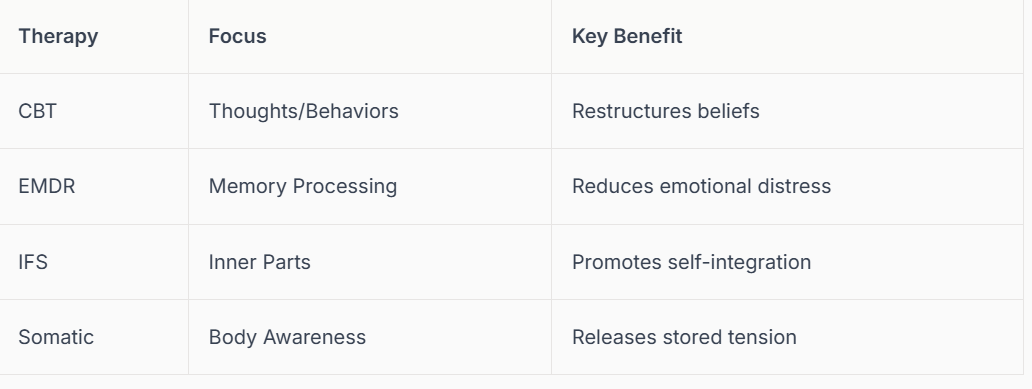
Several therapies have transformed the landscape of healing from childhood trauma. Cognitive Behavioral Therapy (CBT) helps individuals recognize and change negative thought patterns that stem from traumatic experiences. This structured approach builds coping skills and fosters healthier perspectives.
Eye Movement Desensitization and Reprocessing (EMDR) is widely recognized for its effectiveness in processing traumatic memories. Clients recall distressing events while engaging in bilateral stimulation, helping to reduce emotional intensity. Studies show that EMDR and trauma-focused CBT can reduce PTSD symptoms by 60 to 90 percent.
Internal Family Systems (IFS) offers a unique path by helping people heal wounded inner “parts” of themselves. By fostering understanding and compassion toward different aspects of the self, IFS promotes deep internal harmony. For more on this approach, see this Introduction to Internal Family Systems.
Somatic therapies address how trauma is stored in the body. Techniques such as body scans and movement exercises help release tension and restore a sense of safety. Each therapy offers distinct benefits, and the best results often come from a personalized approach to healing from childhood trauma.
Summary Table: Leading Therapies
The Role of Trauma-Informed Care
Trauma-informed care is essential for healing from childhood trauma. This approach is grounded in principles of safety, trustworthiness, collaboration, and empowerment. A trauma-informed therapist creates an environment where clients feel seen, respected, and understood.
Unlike traditional therapy, trauma-informed care explicitly acknowledges the impact of trauma and avoids practices that could re-traumatize. This approach encourages clients to move at their own pace and honors their autonomy.
Research shows that trauma-informed care leads to higher engagement and faster progress. When people feel safe and supported, they are more likely to open up and fully participate in their own healing from childhood trauma.
Finding a trauma-informed professional is a crucial step. Look for therapists who emphasize consent, transparency, and shared decision-making. This foundation allows for deeper, more sustainable recovery.
Group Therapy, Support Networks, and Peer Healing
Healing from childhood trauma is often accelerated by connection. Group therapy and peer support networks offer powerful opportunities for shared growth. Survivors benefit from realizing they are not alone, reducing isolation and shame.
Types of groups include survivor-led circles, skills-based classes, and online communities. In these settings, people share experiences, learn coping strategies, and offer encouragement. For instance, a peer-led group can help members develop practical skills for managing triggers and building resilience.
Research indicates that group therapy can reduce trauma symptoms by 30 to 50 percent. The sense of belonging and mutual support is a cornerstone of healing from childhood trauma. Community not only fosters hope but also reinforces the progress made in individual therapy.
Support networks are vital for long-term renewal. They provide a safe space to practice new skills, celebrate victories, and navigate setbacks together.
Self-Guided Healing Practices for Everyday Renewal
Healing from childhood trauma can feel like a daunting journey, but self-guided practices offer accessible, daily steps toward renewal. These tools empower you to take charge of your recovery, helping you process emotions, reconnect with your body, and rebuild your sense of safety. Integrating these practices into your life makes healing from childhood trauma an ongoing, living process rather than a distant goal.
Mindfulness, Meditation, and Somatic Practices
Mindfulness and meditation are foundational for healing from childhood trauma. By learning to observe thoughts and feelings without judgment, you begin to calm the nervous system and reduce anxiety. Simple mindfulness practices, such as deep breathing or body scans, help you anchor in the present moment.
Somatic practices focus on the body’s role in trauma recovery. Trauma is often stored physically, leading to tension, pain, or numbness. Grounding exercises, like the 5-4-3-2-1 technique, can help manage flashbacks or overwhelming emotions. Breathwork and gentle movement reconnect you with your body’s wisdom, promoting safety and trust within yourself.
For more tools, explore Somatic tools for generational trauma for practical exercises you can try at home. Regular practice supports healing from childhood trauma by increasing self-awareness and emotional regulation.
Journaling, Creative Expression, and Inner Child Work
Journaling is a powerful way to process experiences and emotions related to healing from childhood trauma. Prompts such as "What did I need most as a child?" or "How can I show compassion to my younger self today?" guide reflection and self-understanding.
Creative outlets like art, music, or movement bypass verbal barriers, allowing you to express pain and hope in new ways. Drawing or painting can help visualize difficult memories and release pent-up feelings. Music and dance offer safe channels for emotional energy.
Inner child work involves nurturing the wounded parts of yourself. This may include writing letters to your younger self or guided meditations that foster self-compassion. These approaches help reframe negative beliefs and support your ongoing healing from childhood trauma.
Building Resilience: Daily Habits and Lifestyle Changes
Building resilience is essential for sustaining healing from childhood trauma. Small, consistent lifestyle changes create a stable foundation for growth. Prioritize sleep hygiene, balanced nutrition, and regular physical activity to support your body and mind.
Limit exposure to toxic relationships and digital triggers that may disrupt your sense of safety. Establishing routines, such as morning grounding rituals or daily check-ins with yourself, fosters predictability and calm.
Remember, resilience is not about never struggling but about recovering and adapting. Over time, every positive habit you build strengthens your ability to heal and thrive after childhood trauma.
When and How to Seek Additional Help
While self-guided practices are vital, healing from childhood trauma sometimes requires professional support. If you experience persistent distress, suicidal thoughts, or feel stuck, consider reaching out to a trauma-informed therapist or a crisis helpline.
Seeking help is a sign of courage and commitment to your well-being. You do not have to walk this path alone, and support is available whenever you need it.
Reclaiming Your Future: Renewal, Growth, and Hope Beyond Trauma
The journey of healing from childhood trauma is not simply about returning to a former state. It is about reclaiming your future, embracing renewal, and discovering new paths to personal growth and fulfillment. Every individual’s story is unique, but the possibility for hope and transformation is universal.
Finding Meaning and Growth After Trauma
Research shows that many people experience post-traumatic growth after healing from childhood trauma. This growth involves finding deeper meaning, developing stronger relationships, and gaining a renewed sense of purpose. While the pain of the past cannot be erased, it can serve as fertile ground for new strengths and values to emerge.
Around half of all trauma survivors report positive psychological changes after engaging in effective healing processes. This transformation often begins with addressing the trauma directly, sometimes with the help of evidence-based treatments for childhood trauma. Such therapies lay the foundation for lasting change and renewed hope.
Real-World Examples and Reframing Setbacks
Survivors worldwide have rebuilt their careers, relationships, and sense of self after healing from childhood trauma. Take the example of an individual who, after years of self-doubt, found the courage to pursue a meaningful career in social work, helping others break the cycle of trauma.
Setbacks are inevitable, yet they do not signal failure. Instead, each challenge can be reframed as an opportunity to learn, adapt, and grow. By recognizing that healing is a journey with ups and downs, survivors can develop resilience and self-compassion.
The Power of Community, Advocacy, and Giving Back
Community plays a powerful role in the process of healing from childhood trauma. Support groups, advocacy organizations, and peer networks offer connection and understanding that foster hope and motivation.
Many survivors find fulfillment in giving back, whether through volunteering, mentoring, or raising awareness about trauma. These acts of service not only strengthen communities but also reinforce the survivor’s sense of agency and purpose.
Practical Tips for Maintaining Hope and Progress
Staying hopeful and focused on growth requires ongoing effort. Consider these practical steps:
Set small, achievable goals to mark progress.
Celebrate each success, no matter how minor.
Build a strong support network of trusted friends or professionals.
Practice gratitude and mindfulness daily.
Reflect on personal strengths and past achievements.
By incorporating these habits, individuals can sustain momentum on their journey of healing from childhood trauma.
Lifelong Healing and the Capacity for Joy
Healing from childhood trauma is a lifelong process, but so too is the capacity for joy, connection, and fulfillment. Renewal is not about returning to how things once were, but about creating a new vision for the future.
Every step forward, however small, is a victory worth honoring. By embracing growth, seeking support, and nurturing hope, survivors can transform pain into purpose and build a future filled with possibility.
Local Support |
PA, NC & SC

Mariah J. Zur | Therapy Intensives in Raleigh, Pittsburgh and across NC, SC, PA
I offer focused therapy intensives for adults who are still functioning but feel worn down by constant pressure, anxiety, or patterns that no longer work. This work is designed for people who want depth, clarity, and relief without labels or long-term weekly therapy. If you’re in North Carolina, South Carolina, or Pennsylvania and curious whether an intensive format could be supportive, you’re welcome to learn more.


Join me on Facebook, Instagram, Pinterest, Google orTikTok for more educational tips, emotional recovery insights, and updates on therapy intensives in Pennsylvania, North Carolina, and South Carolina.
Disclaimer
The content shared here is for educational and informational purposes only. It is not a substitute for psychotherapy, medical care, or individualized mental health treatment. Reading this blog or engaging with my content does not establish a therapeutic relationship.
If you are experiencing significant distress or feel you need personalized support, I encourage you to seek care from a licensed mental health professional in your state. Therapy is deeply personal, and the right support should be tailored to your specific needs, pace, and circumstances.
For adults located in North Carolina, South Carolina, or Pennsylvania who are seeking focused, confidential support, I offer customized therapy intensives designed to address chronic stress, internal pressure, and patterns that no longer work. Information about these services can be found throughout this site.
About the Author
Mariah Zur, LPC is a licensed therapist who works with high-achieving adults navigating chronic stress, internal pressure, and the quiet unraveling that can happen beneath outward success. Her work is especially suited for individuals who are highly functional, deeply self-aware, and exhausted from holding everything together.
Mariah offers therapy intensives for adults seeking focused, contained support without labels, long-term weekly therapy, or unnecessary exposure. Her approach is grounded, relational, and nervous-system informed, helping clients slow the internal spiral, regain a sense of control, and move forward with clarity and steadiness.
She provides intensive therapy services online across North Carolina, South Carolina, and Pennsylvania, with in-person options available in Raleigh, NC.
Credentials
Mariah J. Zur, MS, LPC
Licensed Professional Counselor
Doctoral Student, Counselor Education and Supervision
