
Guide to Calling a Therapist: Steps for a Confident Start 2026
Feeling anxious about reaching out to a new therapist? You are not alone. Many individuals find the first step challenging, filled with uncertainty and questions about what to expect.
This guide is designed to help you navigate calling a therapist in 2026 with confidence. We will address common fears, provide practical steps, and show you how to prepare for a successful first conversation.
By understanding why the first call feels difficult and learning how to approach it, you can take control of your mental health journey. Follow these steps to feel empowered as you begin.
Why Calling a Therapist Feels Difficult
Taking the first step toward support by calling a therapist can feel daunting. For many, simply picking up the phone brings up a mix of emotions and worries. Understanding why this process feels so challenging is the first step toward overcoming those barriers and seeking help.

Calling a therapist for the first time can feel intimidating, but preparation and understanding make the process more manageable.
Common Emotional Barriers
When calling a therapist, emotional barriers often surface first. Many people fear being judged or misunderstood, which can make reaching out for help feel risky. Embarrassment about discussing personal struggles with a stranger is common. The worry of being labeled or stigmatized for seeking therapy can add another layer of discomfort.
Doubts about whether one’s concerns are “serious enough” for therapy may hold people back. Resistance to change and fear of the unknown can cause hesitation. According to OpenCounseling, over 60% of people delay calling a therapist due to anxiety or stigma.
For example, Sarah spent weeks researching therapists, but every time she tried to call, she hesitated, feeling overwhelmed by uncertainty. Recognizing these emotional hurdles is essential, as they are universal and valid parts of the journey.
The Psychology of Change and Readiness
The process of calling a therapist often involves internal conflict. According to the Stages of Change model, people move through precontemplation, contemplation, preparation, action, and maintenance, sometimes experiencing relapse. Emotional readiness frequently lags behind intellectual readiness, making action difficult even when someone knows therapy could help.
Change can trigger a tug-of-war between the comfort of familiar patterns and the hope for growth. Insights from Prochaska and DiClemente’s research show that many people only act when their discomfort finally outweighs the fear of change.
For instance, someone might realize the need for support for months before actually calling a therapist. Understanding these psychological dynamics can help normalize the hesitation and make the process feel more manageable.
Social and Practical Hurdles
Beyond emotions, calling a therapist brings social and practical challenges. Phone anxiety is common; without face-to-face cues, conversations may feel awkward or stressful. Many people feel uncertain about what to say or how to introduce themselves, which can make the call even harder.
Concerns about privacy, such as being overheard while discussing sensitive topics, can also be significant. Leaving a voicemail adds another layer of stress, as expressing your needs succinctly can feel intimidating.
Research confirms that both attitudinal and structural barriers, such as those explored in Barriers to mental health treatment, play a major role in delaying support. Remember, these obstacles are normal, and acknowledging them is a critical part of moving forward with calling a therapist.
Step 1: Preparing Yourself Before the Call
Taking the first step toward support can feel overwhelming. Preparing thoughtfully before calling a therapist helps you feel more in control, focused, and ready for what comes next.

Many people experience anxiety, uncertainty, or fear of judgment before calling a therapist for support.
Self-Reflection and Goal Setting
Before calling a therapist, take a moment for honest self-reflection. Ask yourself why now feels like the right time to seek help. Are you struggling with anxiety, work burnout, past trauma, or relationship challenges?
Write down three things you hope to gain from therapy. Your goals might include symptom relief, improved self-understanding, or making specific life changes. If you have tried therapy before, reflect on what worked and what did not.
Setting clear intentions gives you a sense of direction. It also helps you communicate your needs when calling a therapist, ensuring the conversation stays focused on what matters most to you.
Researching Potential Therapists
Finding the right therapist is a crucial part of your preparation. Use reputable directories to search for licensed professionals in your area or for online sessions. Filter your options by specialization, such as anxiety, trauma, or relationship support.
Review each therapist’s credentials, such as LMFT, LPC, LCSW, PhD, or PsyD. Reading reviews and testimonials can offer insights into their style and effectiveness. Remember, 72% of clients report better outcomes when they work with a specialist who fits their needs.
If you are unsure how to approach this process, How to Choose a Trauma Therapist provides a practical guide to evaluating qualifications and compatibility before calling a therapist.
Practical Preparation
Organization can ease nerves and make calling a therapist less stressful. Gather the essentials:
Write down your name, age, and preferred pronouns.
Prepare a brief summary of why you are seeking help.
List any questions you want to ask, such as availability, approach, or insurance.
Choose a quiet, private space for your call.
Draft a short script to introduce yourself, for example:
Hello, my name is Jamie. I am interested in starting therapy to work on anxiety and life transitions. I would like to know more about your experience and approach.
Having this information ready allows you to focus on the conversation, not on recalling details under pressure. This structure is especially helpful when calling a therapist for the first time.
Coping with Anxiety Before the Call
Feeling anxious before calling a therapist is entirely normal. Try practicing deep breathing or grounding exercises to calm your body and mind. Consider role-playing the call with a trusted friend to build confidence.
Remind yourself that therapists expect new clients to feel nervous. They are trained to help you feel comfortable. If your anxiety feels overwhelming, remember that many therapists accept emails or contact forms as a first step, which can be less stressful than calling a therapist directly.
Taking small actions to manage your nerves can make the experience more approachable and less intimidating.
What to Do If You Reach Voicemail
Sometimes, your first attempt at calling a therapist leads to voicemail. Do not worry—this is common. Prepare a clear, concise message including your name, phone number, best times to call back, and a brief reason for reaching out.
Sample script:Hello, this is Taylor. My number is 555-123-4567. I am interested in starting therapy and would like to speak with you about your availability. Please call me back after 4 PM.
Most therapists respond to voicemails within 48 hours. Leaving a thoughtful message shows initiative and increases your chances of connecting with the right provider when calling a therapist.
Step 2: Making the First Call – What to Say and Ask
Feeling nervous about calling a therapist is common, but knowing what to say can make the process much less intimidating. Preparation is key. With the right approach, you can ensure your first conversation is productive and sets a positive tone for your therapy journey.

Preparing questions and clarifying goals ahead of time can reduce anxiety when calling a therapist.
Opening the Conversation
Starting the call is often the hardest part of calling a therapist. Take a deep breath and remember that therapists expect new clients to feel nervous.
You might begin with a simple introduction, such as, "Hello, my name is Jordan. I am interested in starting therapy and would like to learn more about your practice." If you are leaving a voicemail, a clear message helps: "Hi, this is Jordan. I'm calling to explore therapy for anxiety. Please call me back at (your number) when you have a moment."
Writing down your main points can help you feel more in control during the call. This preparation is a small but significant step toward building confidence when calling a therapist.
Key Questions to Assess Fit
After introducing yourself, shift the conversation to questions that help you assess if this therapist is right for you. Not all therapists have the same training or experience, so asking about their background is important.
Consider asking:
What are your qualifications and areas of expertise?
How much experience do you have with concerns like mine?
Which therapeutic approaches do you use (such as CBT, EMDR, or IFS)?
What does a typical session look like?
Bringing up these questions during calling a therapist ensures you understand their style and whether they are equipped to support your needs.
Discussing Logistics and Practicalities
Practical details matter when calling a therapist. Early clarity on fees, insurance, and scheduling avoids confusion later.
Prepare to ask:
What are your fees, and do you offer sliding scale options?
Do you accept my insurance?
How do you handle cancellations or missed appointments?
Are sessions available in person or online?
You might also inquire about session length and frequency. When calling a therapist, these topics help you plan and avoid surprises, making your first experience smoother.
Addressing Your Concerns Directly
It is natural to have worries or specific needs when calling a therapist. Do not hesitate to mention if you are nervous, need a therapist with a certain cultural background, or prefer sessions in a particular language.
For example, you can say, "I feel anxious about starting therapy. How do you support new clients through the process?" If privacy is a concern, ask how your information will be kept confidential.
If you have more questions, resources like FAQs About Therapy and Consultations can offer additional support and reassurance. Bringing up your concerns early helps ensure your needs are respected when calling a therapist.
What to Listen For in the Therapist’s Responses
Pay close attention to how the therapist responds during your call. Are their answers clear and direct? Do they show empathy and patience?
Look for these green flags:
Willingness to answer your questions
Respect for your pace and concerns
Transparency about their qualifications and approach
Be alert for red flags, such as vague responses, lack of credentials, or pressure to commit immediately. Use the table below to compare what to watch for:
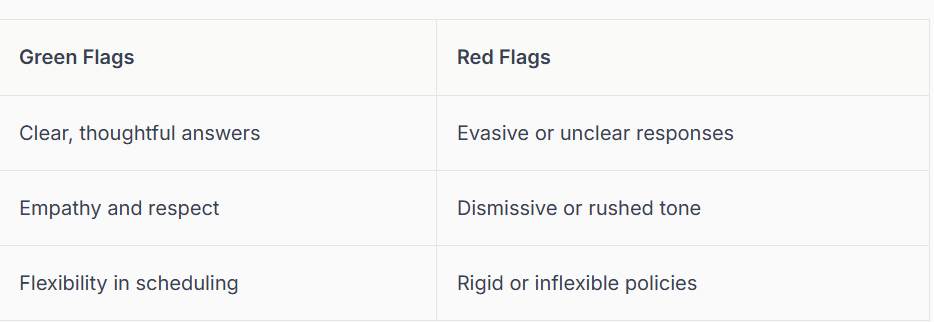
Trust your instincts. If you feel comfortable, supported, and informed while calling a therapist, that's a strong sign you are on the right path.
Step 3: Assessing Compatibility and Building Trust
Taking the step of calling a therapist is a significant move toward mental well-being. However, finding the right fit is just as important as making the call itself. Building trust and assessing compatibility early on ensures that you get the most from your therapy experience.

Knowing what to say and which questions to ask can make calling a therapist feel less overwhelming.
Gauging the Therapeutic Relationship
When calling a therapist, pay close attention to how you feel during your first interaction. Do you sense that the therapist is listening carefully, respecting your concerns, and responding with empathy? The therapeutic relationship is the foundation of effective therapy.
Ask yourself: Did you feel comfortable sharing your thoughts? Did you feel heard and understood? These early impressions set the stage for a trusting partnership. If you feel supported, it is a strong indicator that you are on the right path.
Cultural, Gender, and Language Considerations
Compatibility goes beyond professional qualifications. When calling a therapist, consider if they understand and respect your cultural background, gender identity, and language preferences. Research shows that clients from underrepresented groups experience better outcomes with culturally competent therapists.
You might want to ask about their experience working with people from similar backgrounds or any training they have in cultural sensitivity. This conversation can help you determine if you will feel safe and validated during sessions.
Free Consultations and First Impressions
Many therapists offer free 15-minute consultations. Take advantage of this opportunity to assess whether their communication style matches your needs. When calling a therapist, use this time to ask questions, share your concerns, and get a feel for their approach.
Notice if the therapist encourages questions and provides clear explanations. Do they welcome your input and make space for your concerns? Trust your instincts during this initial conversation, as first impressions are often telling.
Recognizing Red and Green Flags
As you continue calling a therapist, look for both positive signs and potential warning signals. Green flags include open communication, transparency about their methods, and flexibility with scheduling. Red flags might be vague answers, lack of credentials, or pressure to commit quickly.
It is also wise to ask about therapy formats, such as the difference between weekly sessions and intensives. To help you compare options, you can explore resources like Therapy Intensives vs. Weekly Therapy. Your comfort and clarity in these conversations matter.
Decision-Making After the Call
After calling a therapist, take some time to reflect on your experience. Consider whether you felt a genuine connection and if the therapist’s responses aligned with your expectations. Remember, it is normal to reach out to several professionals before making a decision.
Trust your intuition. If something did not feel right, keep searching. There is no obligation to continue if you do not feel a sense of trust or compatibility.
Next Steps if You Don’t Feel a Connection
If, after calling a therapist, you decide the fit is not right, thank them for their time and continue your search. It is perfectly acceptable to ask for referrals or recommendations to other professionals.
A simple, polite response such as, “Thank you, but I think I’m looking for something different,” can help you move forward confidently. Your comfort and sense of safety are always the priority.
Step 4: What to Expect After the First Call
Taking the step of calling a therapist is a significant achievement. After the initial contact, many people feel both relief and uncertainty about what comes next. Understanding the process can help you feel more prepared and confident as you move forward.
Scheduling the First Session
Once you finish calling a therapist and connect with them, the next step is to schedule your first session. This appointment is usually set at a mutually convenient time. Be ready to provide your full name, contact details, and any preferences for session format (in-person or virtual).
Therapists may ask about your availability and whether you need accommodations for language or accessibility. Confirm the appointment details, and ask if there is any paperwork to complete in advance. This helps ensure a smooth start and reduces any stress on the day of your session.
What Happens in the Intake Session
The first session after calling a therapist is often called an intake or assessment session. During this meeting, your therapist will review important information, such as confidentiality, boundaries, and your goals for therapy.
You can expect to discuss your main concerns, current symptoms, relevant history, and any previous therapy experiences. This is also a time to ask questions about the process. For an in-depth look at what occurs in this phase, see What to Expect in Trauma Therapy, which outlines typical steps and helps demystify the experience.
Understanding the Formulation Process
After calling a therapist and completing your intake, your therapist will work with you to develop a formulation. This is a summary of your concerns, background, and goals. The formulation guides your personalized treatment plan and helps you both track progress over time.
Together, you will identify key issues, triggers, and desired outcomes. This collaborative process ensures your therapy is tailored to your unique needs and preferences.
Setting Expectations for Progress
Therapy is a journey, not a quick fix. After calling a therapist and attending your first session, you will discuss how often to meet and what progress might look like. Most clients attend between 8 and 20 sessions to see measurable changes.
Your therapist will help you set realistic goals and timelines. Progress may be gradual, and it is normal to revisit or adjust your goals as you move through therapy.
Handling Initial Discomfort and Changing Your Mind
Feeling nervous or uncertain after calling a therapist and attending your first session is completely normal. You might experience relief, anxiety, or even second thoughts. To manage discomfort, try:
Journaling your feelings
Talking with supportive friends
Practicing relaxation techniques
Remember, you have the right to pause, reschedule, or discontinue therapy at any time. Open communication with your therapist is encouraged. Your comfort and well-being are always the priority as you navigate this important step forward.
Step 5: Building Confidence and Maintaining Momentum
Taking the step of calling a therapist is a significant achievement. However, maintaining your confidence and keeping up the momentum can feel challenging, especially as life’s demands continue. It is natural for motivation to fluctuate, but with the right strategies, you can stay on track and make the most of your therapy journey.
Strategies for Overcoming Ongoing Anxiety
Anxiety can persist even after calling a therapist for the first time. To manage this, practice self-compassion and recognize that feeling nervous is expected. Techniques like deep breathing, grounding exercises, or short mindfulness sessions can help center your thoughts.
Create a small ritual before each session, such as writing down your feelings or goals. This routine builds familiarity and reduces uncertainty. Remember, many people face similar barriers; research on help-seeking behavior in anxiety disorders shows that ongoing support needs are common and valid.
Finding Support Beyond Therapy
Relying solely on therapy can feel isolating. Expanding your support network strengthens your resolve and keeps you engaged. Trusted friends or family members can provide encouragement and remind you of your progress.
Joining peer support groups or online communities offers additional understanding and shared experiences. These spaces often help individuals maintain their commitment after calling a therapist and foster accountability through shared goals.
Creating Accountability
Building accountability increases the likelihood of following through with therapy. Set calendar reminders for appointments and jot down your thoughts after each session. Sharing your goals with a supportive person can create a sense of responsibility.
Consider asking a friend to check in with you after each session or milestone. Tracking your journey, even with a simple checklist, can transform calling a therapist into a series of manageable, rewarding steps.
Adjusting Your Approach if Needed
Sometimes, the initial approach may not meet your needs. If you find your motivation waning or feel disconnected, revisit your therapy goals and communicate openly with your therapist. Flexibility is vital; explore different therapy formats, such as group or intensive sessions, to find what works best for you.
It is important to recognize that discontinuing or pausing therapy is not uncommon. According to data on psychotherapy discontinuation rates, many individuals adjust their approach before finding the right fit, so do not hesitate to refine your path after calling a therapist.
Looking Forward: Embracing the Therapy Journey
As you move forward, reflect on the reasons you started calling a therapist and celebrate each milestone, no matter how small. Therapy is a journey marked by growth, not perfection. Each step you take is an investment in your well-being and future.
Remind yourself that seeking help is a sign of strength and resilience. By maintaining momentum, adapting your approach, and leveraging your support network, you ensure that calling a therapist remains a powerful act of self-care and hope.
Frequently Asked Questions About Calling a Therapist
Feeling uncertain about calling a therapist is common, and many people have questions before they make that first call. This FAQ addresses the most frequent concerns and gives you the clarity and confidence you need to take the next step.
Is it normal to feel anxious about calling a therapist?
Absolutely. Feeling nervous before calling a therapist is more common than you might think. Studies show over 60% of first-time clients experience anxiety or hesitation before reaching out. This initial anxiety often fades once you realize therapists expect and understand these feelings. Remember, calling a therapist is a brave first step toward self-care.
What if I can’t reach the therapist right away?
If your call is not answered, do not be discouraged. Many therapists are busy, and it is common for initial calls to go to voicemail. Leave a clear message with your name, contact details, and the best times for a call back. Due to mental health professional shortages, especially in some areas, it may take up to 48 hours to receive a reply. Patience is important, and you may also consider emailing if you prefer.
Can I ask for a different therapist if I don’t feel a connection?
Yes, you can. Finding the right fit is essential for therapy to be effective. It is common to speak with multiple professionals before settling on someone who suits your needs. If you do not feel comfortable after calling a therapist, you are encouraged to continue searching until you find a good match.
How do I know if a therapist is qualified?
Check for state licensure and relevant degrees such as LPC, LMFT, LCSW, PhD, or PsyD. Most therapists provide their qualifications on their websites or professional directories. During your call, ask about their experience and specialties. Calling a therapist with the right credentials ensures you receive safe and effective care.
What should I expect in the first session?
Your first session typically involves discussing your reasons for seeking help, your history, and what you hope to achieve. The therapist may ask questions about your background and goals to create a collaborative treatment plan. Calling a therapist beforehand to clarify these details can help you feel more prepared for the intake process.
Are online therapy options as effective as in-person?
Research shows online therapy can be just as effective as in-person sessions for many concerns. When calling a therapist, ask about their virtual offerings if you prefer remote support. Many clients appreciate the flexibility and privacy of online sessions, especially if in-person options are limited.
Is therapy confidential?
Yes, therapists are bound by strict confidentiality laws. This means your conversations are private, except in rare cases involving safety concerns. When calling a therapist, you can ask about their confidentiality practices to feel more secure in sharing sensitive information.
Can I bring up past trauma or sensitive topics right away?
You are in control of what you choose to share and when. There is no pressure to disclose more than you are comfortable with. Calling a therapist is the first step, and you can set the pace for deeper conversations as trust builds over time.

Mariah Zur, LPC is a Raleigh-based therapist specializing in intensive therapy for high-achieving professionals experiencing anxiety, burnout, and chronic internal pressure. She works with executives, entrepreneurs, physicians, and attorneys across North Carolina who want focused, results-driven support without long-term weekly therapy.



Mariah J. Zur, LPC is a licensed therapist based in Raleigh, North Carolina, specializing in intensive therapy for high-achieving adults experiencing chronic stress, internal pressure, and high functioning anxiety. She works primarily with executives, entrepreneurs, physicians, attorneys, and founders who remain outwardly successful but feel worn down by constant overdrive.
Mariah’s work is especially suited for professionals navigating burnout, decision fatigue, and emotional disconnection despite insight and coping skills. She offers focused therapy intensives designed to create meaningful change without long-term weekly therapy or diagnostic labeling.
She provides intensive therapy services for adults across North Carolina, with in-person options available in Raleigh and the Research Triangle, and works with clients statewide through structured intensive formats.
Credentials:
Mariah J. Zur, MS, LPC
Licensed Professional Counselor
Doctoral Student, Counselor Education and Supervision
