
Connected Counseling Guide: Your Path to Better Mental Health 2026 | NC, SC, PA
The demand for accessible mental health support continues to surge in 2026, as more people seek flexible solutions for well-being. This guide is designed to demystify connected counseling and offer you a clear, step-by-step path to better mental health.
Connected counseling blends digital technology with professional therapeutic care, making support easier to access than ever before. With new approaches emerging, understanding your options is essential for taking control of your mental health journey.
You will learn what connected counseling involves, its unique benefits, how to get started, how to choose the right provider, and what future trends to expect. Ready to explore a modern path to improved well-being? Let’s begin.
Understanding Connected Counseling

Understanding Connected Counseling
Connected counseling is transforming the mental health landscape by blending digital tools with traditional therapeutic support. This model harnesses technology to make care more accessible, flexible, and effective. As mental health needs rise, connected counseling has become a cornerstone of modern care, supporting clients across different situations and locations.
What Is Connected Counseling?
Connected counseling brings together digital and in-person support to deliver comprehensive mental health care. Unlike traditional therapy, which often takes place solely in a physical office, connected counseling leverages teletherapy, secure messaging, apps, and virtual support groups. This approach allows clients to access help wherever they are, making support available even to those in remote or underserved areas.
Licensed mental health professionals are central to connected counseling. They use secure platforms to provide therapy, ensuring that care remains personalized and evidence-based. The adoption of connected counseling has surged since the pandemic, with usage rates climbing steadily into 2026. In fact, recent data shows that client satisfaction rates for digital mental health services are on par with or exceed those for in-person therapy.
Common myths suggest online therapy is less effective or personal than face-to-face sessions. However, research reveals that connected counseling delivers comparable outcomes for many conditions, and clients report high levels of comfort and convenience. This model breaks down barriers, offering support to people who might not otherwise seek help.
Connected counseling is not a replacement for traditional therapy but an evolution. It offers greater flexibility, enabling clients to choose how and when they engage with their therapist. This flexibility is particularly valuable for individuals balancing work, family, or other commitments.
Key Modalities and Approaches in Connected Counseling
A wide range of therapeutic modalities are used within connected counseling. Cognitive Behavioral Therapy (CBT), Eye Movement Desensitization and Reprocessing (EMDR), and Internal Family Systems (IFS) are among the most popular approaches. These methods are adapted for digital delivery, maintaining their effectiveness in virtual formats. For instance, EMDR Therapy for Trauma is now widely available online, allowing clients to access specialized trauma support from home.
Connected counseling also integrates trauma-focused, attachment-based, and somatic therapies. Practitioners continually update their skills to reflect advances in digital care, ensuring sessions remain engaging and effective. Evidence-based practices guide treatment plans, with platforms offering tools to monitor progress and tailor interventions.
Virtual environments allow for the use of digital worksheets, interactive exercises, and real-time feedback. This creates opportunities for more personalized care and ongoing learning. Therapists can quickly adapt their approach, using secure messaging or video sessions to address emerging needs.
In summary, connected counseling combines the best of traditional and digital therapy. It offers access to a broad array of modalities, supports continuous practitioner development, and prioritizes client-centered, evidence-based care.
Benefits of Connected Counseling for Mental Health
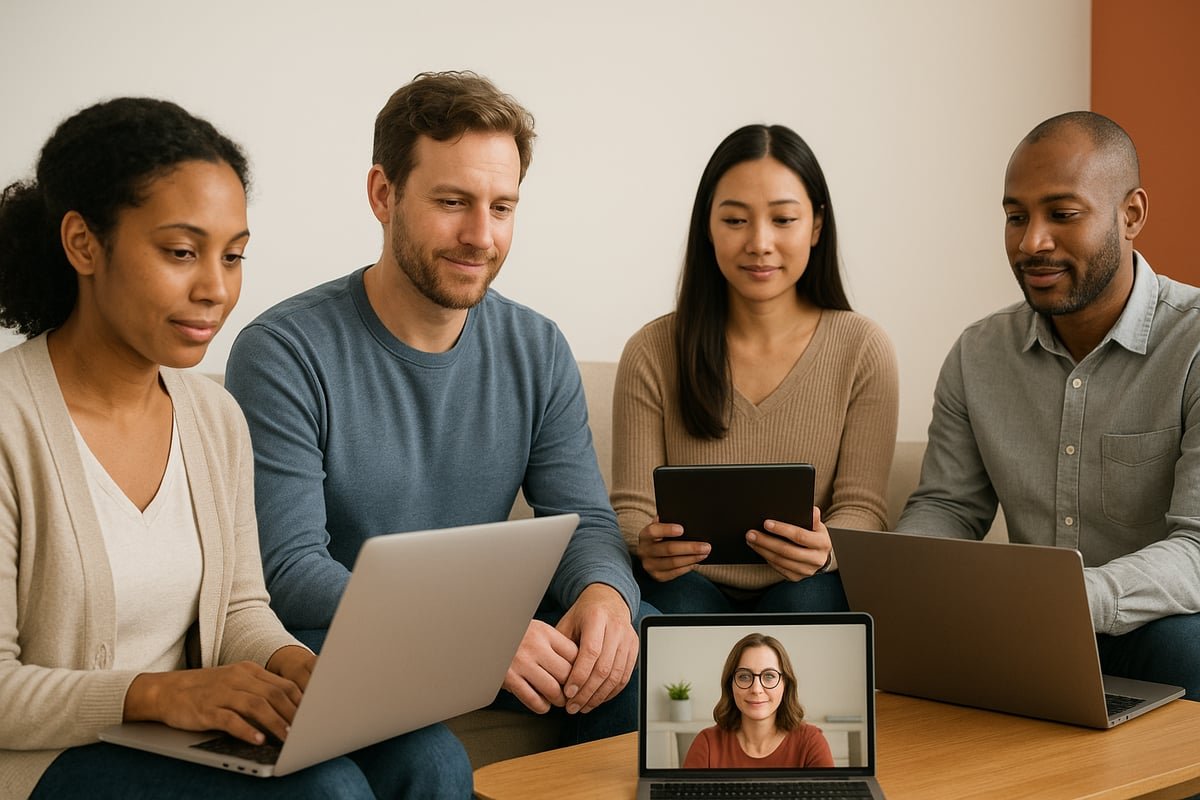
Benefits of Connected Counseling for Mental Health
Connected counseling is transforming the way people access mental health support. As digital solutions expand, the advantages of connected counseling become more apparent for individuals seeking effective, flexible, and personalized care. This section explores how connected counseling addresses common barriers, enhances comfort and privacy, and delivers measurable results for mental wellness.
Accessibility and Convenience
One of the most significant benefits of connected counseling is its ability to break down traditional barriers to care. Geographic distance and rigid schedules no longer prevent individuals from receiving timely mental health support.
Clients can connect with licensed professionals from the comfort of their homes, reducing travel time and associated stress. Many platforms offer 24/7 access to resources, messaging, and appointment scheduling, making it easier to integrate therapy into busy lives.
Recent studies show that participation rates in therapy have increased as digital access grows. Connected counseling helps ensure that support is available whenever and wherever it is needed, opening doors for those in rural or underserved communities.
Personalization and Flexibility
Connected counseling platforms tailor treatment plans to fit each person's unique needs, goals, and preferences. Whether someone seeks ongoing weekly sessions or intensive support during a crisis, digital tools allow for a range of options.
Clients can choose between video calls, chat-based sessions, or a combination of modalities. This adaptability accommodates different comfort levels and lifestyles. For a deeper understanding of therapy formats, explore Therapy Intensives vs Weekly Therapy.
Personalized care journeys are now more achievable, as connected counseling enables therapists to adjust approaches and monitor progress in real time. Flexibility empowers clients to take an active role in their mental health journey.
Privacy, Comfort, and Reduced Stigma
Privacy is a top concern for many seeking mental health care. Connected counseling provides a confidential, secure environment where clients can speak openly without fear of being seen entering a clinic or office.
Virtual sessions offer comfort by allowing individuals to attend therapy from familiar settings. This increased sense of safety can reduce anxiety and make it easier for clients to share honestly.
Moreover, connected counseling plays a role in reducing stigma. When therapy is accessible online, more people are willing to reach out for help, leading to greater overall well-being across communities.
Evidence of Effectiveness
Research consistently demonstrates that connected counseling delivers outcomes comparable to traditional in-person therapy. Many clients report high satisfaction and measurable improvements in symptoms of anxiety, depression, and trauma.
Digital platforms often include tools for tracking progress, setting goals, and providing feedback. These features help ensure therapy remains effective and aligned with client needs.
Success stories highlight how connected counseling has empowered individuals to overcome challenges and build resilience. The evidence points to a future where digital mental health care is not just convenient but truly transformative.
Steps to Start Your Connected Counseling Journey
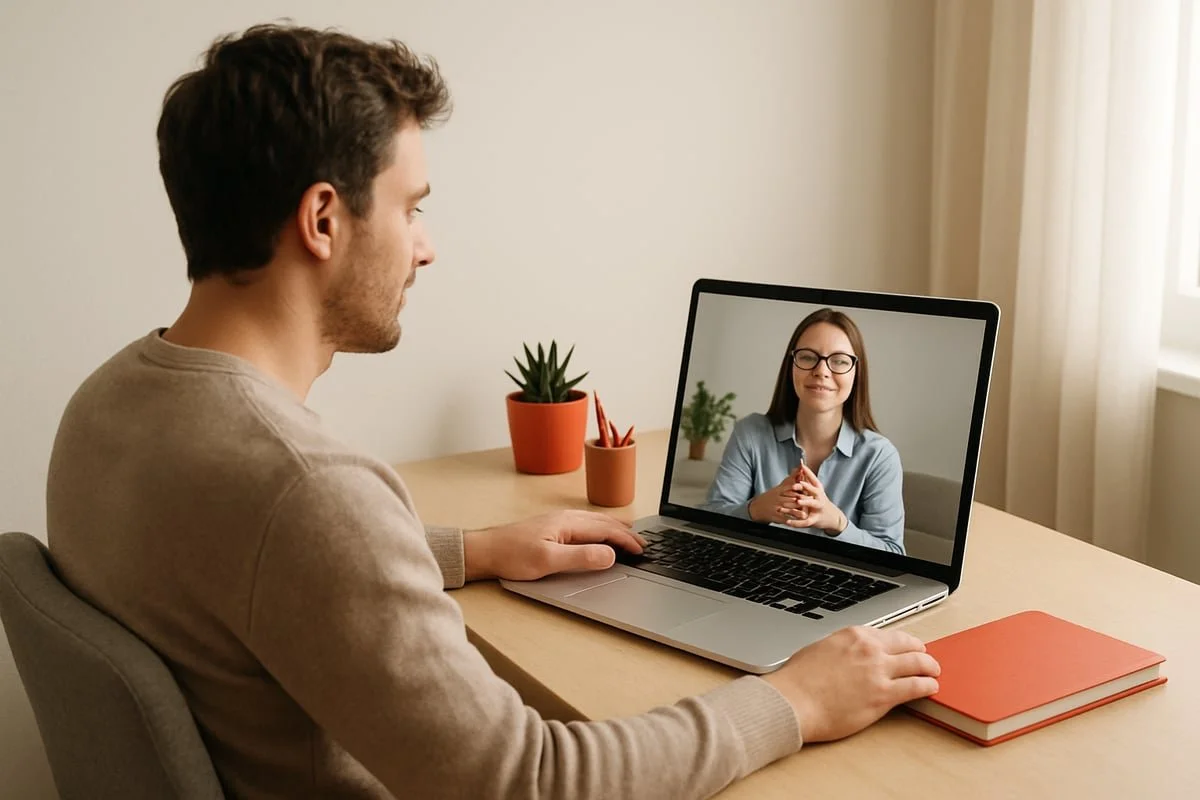
Steps to Start Your Connected Counseling Journey
Embarking on your connected counseling journey can feel both exciting and overwhelming. By following a structured, step-by-step approach, you can make the transition into digital mental health support smooth and empowering. Understanding each phase helps you get the most out of the connected counseling experience and leads you toward improved well-being.
Step 1: Assessing Your Mental Health Needs
The first step in connected counseling is evaluating your current mental health. Take a moment to identify any symptoms, patterns, or triggers you have noticed. Are you experiencing anxiety, sadness, or difficulty managing daily tasks? Recognizing these signs can help clarify your goals for therapy.
You might use online self-assessment tools to reflect on your emotional state. However, these tools are not substitutes for professional input. If your symptoms persist or worsen, it is important to seek a qualified therapist for a comprehensive evaluation before beginning connected counseling.
Setting clear intentions for therapy makes it easier to communicate your needs to your provider. Consider writing down your main concerns and what you hope to achieve. This thoughtful preparation builds a strong foundation for your connected counseling journey.
Step 2: Researching Connected Counseling Options
Choosing the right platform and therapist is crucial for a successful experience. Start by reviewing the credentials, specialties, and licensing of potential therapists. Many platforms allow you to filter providers by expertise, such as trauma, anxiety, or relationship counseling.
Evaluate platform features, including secure video sessions, flexible scheduling, and digital resources. For example, if you are located in Pennsylvania or seeking trauma-informed care, you might explore Online Therapy in Pennsylvania to compare available services.
Review insurance coverage, payment options, and sliding scale fees. Read user reviews and ask about privacy policies to ensure your information remains confidential. Taking time to research increases your confidence in starting connected counseling.
Step 3: Preparing for Your First Session
Preparation is key to making the most of your initial connected counseling session. Find a quiet, private space where you feel comfortable speaking openly. Test your internet connection, camera, and microphone ahead of time to avoid technical disruptions.
Gather any notes, questions, or specific topics you want to discuss. Consider what you want your therapist to know about your background, challenges, and goals. Being prepared allows you to focus on building rapport and sets a positive tone for your connected counseling experience.
If you encounter technical issues, reach out to platform support for help. Most platforms offer troubleshooting guides and customer service to ensure your first session goes smoothly.
Step 4: Engaging in the Counseling Process
Active participation is essential in connected counseling. Establishing open communication with your therapist builds trust and makes sessions more productive. Share your thoughts, feelings, and progress honestly, even if you feel uncertain at first.
Set achievable goals and track your development over time. Many platforms offer progress tracking tools or secure messaging for ongoing support. If you face challenges, such as discomfort or emotional resistance, discuss these openly with your provider.
Regular feedback helps tailor the counseling process to your evolving needs. Remember, connected counseling is a collaborative effort, and your engagement directly influences your outcomes.
Step 5: Integrating Counseling into Daily Life
The benefits of connected counseling extend beyond the virtual session. Apply the coping strategies, insights, and skills learned in therapy to your daily routines. Establish self-care habits, such as mindfulness exercises, journaling, or relaxation techniques, to reinforce your progress.
Stay connected with supportive friends, family, or online communities. Consistency is important, so schedule regular sessions and check-ins to maintain momentum. Reflect on your growth and adjust your goals as needed to keep moving forward on your connected counseling path.
By following these steps, you lay a strong groundwork for effective, lasting mental health improvement with connected counseling.
Choosing the Right Connected Counseling Provider
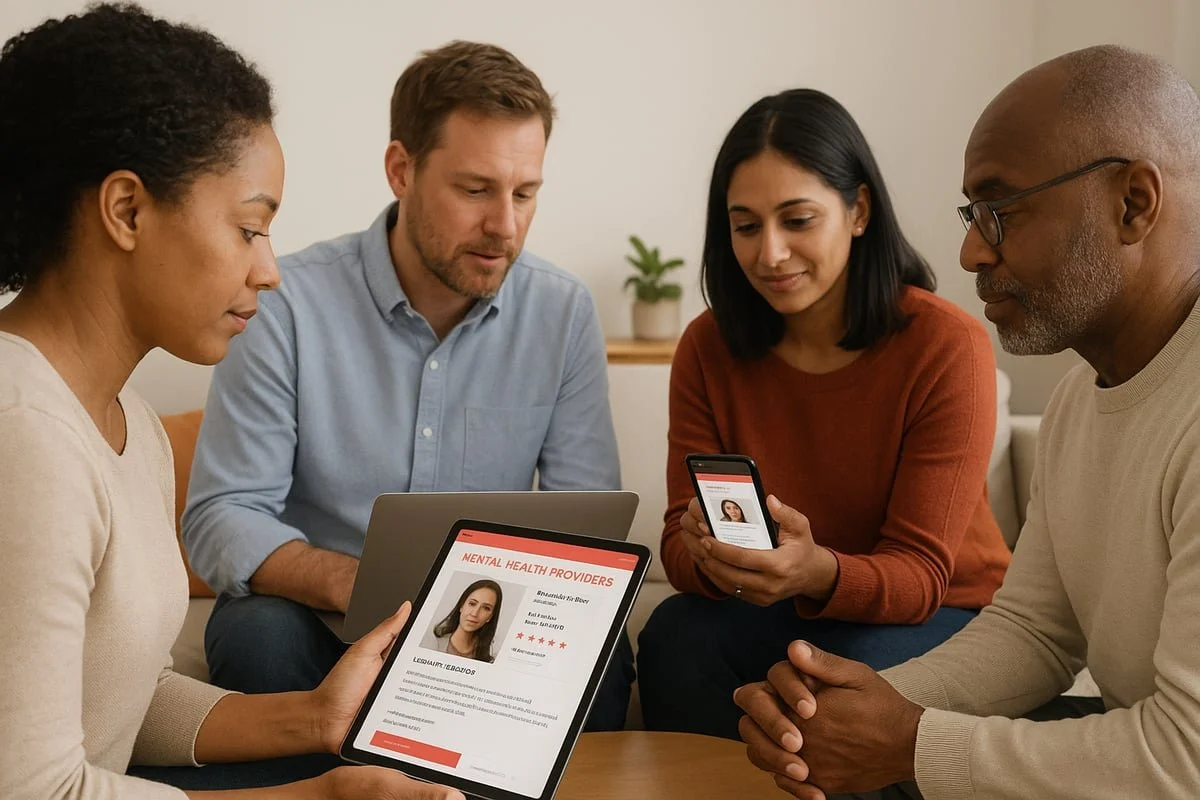
Choosing the Right Connected Counselor Provider
Selecting the best provider for connected counseling is a critical step in your mental health journey. With so many options available, knowing what to look for will ensure you receive safe, effective, and personalized care. This section will guide you through the essential criteria to consider when choosing a connected counseling provider.
Credentials and Specializations
The foundation of any connected counseling relationship is trust in your provider's qualifications. Always verify that your therapist is licensed in your state or country and holds credentials relevant to your needs. This ensures you are working with a professional who meets ethical and legal standards.
Specialization is equally important. Many providers offer expertise in areas such as trauma, anxiety, depression, or relationship issues. For example, those seeking trauma-focused therapy might look for a counselor experienced in modalities like EMDR or Internal Family Systems (IFS). If you are interested in IFS, you can learn more about the Internal Family Systems Approach and how it is integrated into connected counseling.
Consider asking these questions during your initial consultation:
What licenses and certifications do you hold?
What is your experience with my specific concerns?
Do you have advanced training in any particular therapeutic approaches?
By focusing on credentials and specializations, you maximize the benefits of connected counseling and ensure your individual needs are met.
Platform Features and Security
The platform you choose for connected counseling should prioritize both functionality and safety. Look for platforms that offer secure video sessions, encrypted messaging, and access to digital resources such as worksheets or progress tracking tools.
Privacy and confidentiality are non-negotiable. Leading platforms comply with regulations like HIPAA, ensuring your personal health information is protected. Before committing, review the privacy policy and confirm the platform's security measures.
Evaluate the user experience as well. Is the interface easy to navigate? Are support services available if you encounter technical issues? Reliable technical support can make your connected counseling sessions smoother and more productive.
Features to look for include:
Secure, high-quality video conferencing
Encrypted messaging with your therapist
Access to educational materials and self-help tools
Responsive customer support
Choosing a platform with strong security and user-friendly features will help you feel comfortable and confident as you engage in connected counseling.
Cost, Insurance, and Accessibility
Cost is a significant factor when selecting a connected counseling provider. Pricing models vary, from pay-per-session to monthly memberships. Some platforms offer sliding scale fees based on income, making services more accessible to a wider range of clients.
Insurance coverage can help offset costs, but not all connected counseling services accept insurance. Check with both your provider and your insurance company to understand what is covered. If you do not have insurance, ask about financial assistance or payment plans.
Accessibility also includes the availability of sessions at convenient times and options for asynchronous support, such as messaging. Choose a provider who offers flexible scheduling and communicates clearly about fees and policies.
To maximize value:
Compare pricing models across platforms
Ask about insurance billing and out-of-pocket costs
Explore available discounts or financial aid programs
By considering cost and accessibility, you can remove barriers and ensure your connected counseling experience is sustainable in the long term.
Innovations and Future Trends in Connected Counseling (2026 and Beyond)
The landscape of connected counseling is rapidly evolving, with 2026 set to bring transformative changes. As digital health solutions become more mainstream, connected counseling is poised to redefine how individuals access and experience mental health support. Understanding the innovations and future trends shaping this field is essential for anyone seeking effective, modern care.
Technological Advances Shaping Therapy
Technology is at the heart of connected counseling's evolution. Artificial intelligence, virtual reality, and digital therapeutics are now being integrated into therapy platforms. These tools provide new ways to personalize care, enhance engagement, and support progress tracking.
For example, AI-driven chatbots can offer immediate support between sessions, while VR environments are used to simulate real-life scenarios for exposure therapy. According to recent projections, the AI psychological counseling market is expected to reach USD 9.65 billion by 2032, reflecting the growing demand for connected counseling solutions.
These innovations make therapy more interactive and adaptable. They also empower practitioners to continuously update their methods in response to new research. As the field advances, connected counseling will continue to benefit from smarter, more responsive technology.
Expanding Access and Equity
A core promise of connected counseling is its potential to reach underserved communities. By removing traditional barriers, such as transportation or limited local providers, digital platforms offer a pathway to care for more people.
Inclusive design is now a priority. Platforms are adding language options, culturally sensitive resources, and accessibility features for those with disabilities. Research highlights that many college students face unique barriers to engaging with digital mental health care, underscoring the need for personalized and culturally competent solutions. For further insight, see the study on barriers to digital mental health services among college students.
Key features supporting equity in connected counseling:
Multilingual support
Customizable interfaces
Resources for diverse cultural backgrounds
With these advances, connected counseling aims to close gaps in care and promote mental health for all.
Integration with Broader Healthcare
Connected counseling is increasingly being woven into the larger healthcare ecosystem. By sharing data securely with primary care and wellness platforms, mental health professionals can coordinate more holistic care for their clients.
This integration enables early intervention, better follow-up, and improved continuity of care. Clients benefit from having their mental health needs addressed alongside physical health, nutrition, and lifestyle factors. Providers can collaborate on treatment plans, ensuring that connected counseling is part of a comprehensive wellness strategy.
As digital health records become more interoperable, connected counseling will play a central role in whole-person care. This shift is making mental health support more proactive and preventive.
Evolving Best Practices and Standards
With rapid innovation comes the need for updated best practices and ethical standards. Ongoing research is shaping new guidelines for safety, privacy, and effectiveness in connected counseling.
Practitioners are engaging in continuous training to stay current with digital tools and evidence-based approaches. Ethical considerations, such as maintaining confidentiality and managing AI-driven interventions, are at the forefront.
The therapist-client relationship is also evolving. While technology enhances accessibility, maintaining empathy and trust remains essential. As connected counseling becomes more sophisticated, the balance between human connection and digital convenience will define the future of therapy.
Overcoming Common Challenges in Connected Counseling
Navigating the landscape of connected counseling can present unique challenges, especially as technology and therapy models rapidly evolve. Understanding how to address these issues empowers you to get the most out of your mental health journey. Below, we explore key obstacles and offer practical solutions for individuals embarking on or continuing with connected counseling.
Addressing Technical and Logistical Issues
Technical hurdles are common in connected counseling, but they are manageable with the right approach. Ensure your device is updated and your internet connection is stable before each session. Use headphones for privacy and minimize background noise for clearer communication.
If you experience persistent issues, most platforms offer troubleshooting guides or live support. Some advanced platforms now utilize sentiment-guided response generation, which helps therapists respond effectively even if technology interrupts a session. For more on how these systems enhance virtual support, see Sentiment-Guided Response Generation in Mental Health Counseling.
Keep backup plans ready, such as switching devices or rescheduling if needed. With patience and preparation, technical issues in connected counseling can be minimized.
Maintaining Engagement and Motivation
Staying engaged in connected counseling requires intention and structure. Set specific goals for each session and use reminders to stay on track. If you find motivation waning, communicate openly with your therapist about adjusting session frequency or exploring new approaches.
Digital platforms often include interactive tools and self-check-ins to help you monitor progress. Research on the Acceptance of Conversational Agents in Mental Health shows that many individuals benefit from AI-based support, which can supplement live counseling and boost engagement.
Create a dedicated space for your sessions and treat them as important appointments. Consistency and clear objectives will help you maximize the benefits of connected counseling.
Navigating Emotional Barriers and Resistance
Emotional resistance, such as skepticism or discomfort, is natural when starting connected counseling. Trust can take time to build, especially in a virtual environment. Normalize your feelings and share them with your therapist to foster openness.
Common barriers include fear of vulnerability and doubts about the effectiveness of digital therapy. Address these by setting small, achievable goals and celebrating progress. Remember, connected counseling offers privacy which can make it easier to open up.
If you continue to feel hesitant, consider discussing different modalities or support formats with your provider. Over time, most clients find comfort and confidence in the connected counseling process.
Ensuring Quality and Safety
Quality care is essential in connected counseling. Always verify your therapist’s credentials and ensure the platform complies with privacy standards like HIPAA. Look for red flags such as unclear policies, lack of transparency, or unresponsive support.
If you feel uncomfortable or notice unethical behavior, do not hesitate to provide feedback or request a different provider. Most platforms encourage client input to maintain high standards.
Review available safety guidelines and familiarize yourself with reporting procedures. Prioritizing safety and quality ensures you receive effective, ethical connected counseling.
Measuring Progress and Adjusting Your Path
Tracking your growth is crucial in connected counseling. Use built-in assessment tools or regular check-ins with your therapist to evaluate your mental health progress. Document changes in mood, behavior, and coping skills.
If you notice stagnation or new challenges, discuss adjusting your treatment plan or exploring different therapeutic approaches. Flexibility is a strength of connected counseling, allowing you to tailor care as your needs evolve.
Consistent measurement and openness to change will help you sustain momentum and achieve lasting results on your mental health journey.
Connected Counseling FAQ
1. What is connected counseling?
Connected counseling is a modern approach to therapy that blends online tools (video sessions, secure messaging, apps) with traditional, evidence-based counseling. Instead of only meeting in an office, you can connect with a licensed therapist from your home, car, or private space, while still getting real, personalized support.
2. How is connected counseling different from regular online therapy?
“Online therapy” often just means video sessions. Connected counseling goes further: it combines video, secure messaging, digital worksheets, psychoeducation, and sometimes in-person support. Think of it as a whole ecosystem of care instead of one weekly Zoom call. It’s designed to support you between sessions, not just during the hour.
3. Is connected counseling effective for anxiety, depression, and trauma?
Yes. Research shows that virtual and connected counseling can be just as effective as in-person therapy for many issues, including:
anxiety and panic
depression and burnout
trauma and PTSD
stress from chronic illness or life transitions
toxic relationship and narcissistic abuse recovery
The key is not the Wi-Fi; it’s the relationship, the approach, and how safe your nervous system feels with your therapist.
4. Who is a good fit for connected counseling?
You might be a good fit if you:
have a busy schedule, health issues, or caregiving responsibilities
live in a rural area or don’t have many local options
feel safer opening up from home
want flexible support (not just “see you next Tuesday at 3pm”)
are navigating anxiety, trauma, burnout, or chronic stress
If weekly, in-office therapy has never quite worked for your life, connected counseling may fit your reality better.
5. Do you offer connected counseling in Pennsylvania, North Carolina, and South Carolina?
Yes. I provide connected counseling and virtual trauma therapy for clients located in:
Pennsylvania (PA) – including Pittsburgh, Philadelphia, and surrounding areas
North Carolina (NC) – including Raleigh, Southern Pines, and nearby communities
South Carolina (SC) – including Greenville and beyond
All sessions are online, so if you’re in PA, NC, or SC, we can work together from wherever you are.
Local Support in PA, NC & SC

Trauma therapist in Raleigh, Pittsburgh, Greenville and across PA, SC, NC.
If you’re searching for burnout recovery therapy in Philadelphia, a trauma therapist in Pittsburgh, or virtual trauma therapy across North Carolina and South Carolina, you don’t have to keep surviving in exhaustion.
I offer personalized trauma therapy intensives designed to help women recover from trauma burnout and toxic relationships—so you can finally feel like yourself again. If rest hasn’t worked, maybe it’s time to try something different. Schedule a consultation today for burnout recovery intensives in PA, NC, or SC.

Join me on Facebook, Instagram, Pinterest, Google orTikTok for more educational tips, trauma recovery insights, and updates on therapy intensives in Pennsylvania, North Carolina, and South Carolina.
Disclaimer
Listen, what you see here on my blog or social media isn’t therapy. It’s here to educate, inspire, and maybe even help you feel a little less alone. But if you’re in it right now and need real support, please reach out to a licensed therapist in your state who can walk alongside you in your healing journey.
Therapy is personal, and you deserve a space that’s all about you. If you’re in Pennsylvania, North Carolina, or South Carolina and looking for a trauma therapist who gets it, I’m currently accepting new clients for customized trauma therapy intensives. Let’s fast-track your healing journey—because you deserve to feel better, sooner.
About the Author
Mariah J. Zur, LPC is a trauma-informed therapist specializing in childhood trauma recovery, narcissistic abuse recovery, burnout, and customized therapy intensives. With over 10 years of experience, Mariah helps women break free from toxic relationship patterns and reclaim their emotional freedom.
She provides virtual trauma therapy intensives across Pennsylvania, North Carolina, and South Carolina, and offers in-person sessions in Pittsburgh, Philadelphia, and Southern Pines, NC. Drawing on evidence-based approaches—including Internal Family Systems (IFS) therapy and somatic strategies—Mariah creates safe, powerful spaces for women ready to do the deep work.
When she’s not in the therapy room, you’ll find her advocating for mental health awareness and supporting women in their personal transformation.
Research Brief Author
Mariah J. Zur, M.S., NCC, LPC, CCTP, PhD in Counselor Education and Supervision Student
