
9 Essential Trauma Informed Courses to Transform Your Practice | NC, SC, PA
The demand for trauma-informed care has never been greater in today’s mental health, education, and healthcare systems. Studies show that over 70% of adults experience at least one traumatic event in their lifetime, often shaping their well-being and influencing treatment outcomes.
Trauma-informed training equips professionals to recognize and respond to trauma’s impact, transforming both client relationships and everyday practice. By integrating these approaches, practitioners foster deeper healing, reduce professional burnout, and achieve better results for those they serve.
Ready to elevate your expertise? This article spotlights 9 essential trauma informed courses designed to empower your practice and support lasting, meaningful change.
The Importance of Trauma-Informed Education
Trauma informed courses are reshaping how professionals support clients in mental health, education, and healthcare. At its core, trauma-informed care recognizes the widespread impact of trauma and integrates knowledge about trauma into all aspects of service delivery. The Substance Abuse and Mental Health Services Administration outlines six guiding principles: safety, trustworthiness, peer support, collaboration, empowerment, and cultural sensitivity. For a comprehensive overview, see SAMHSA's Trauma-Informed Care Principles.
Why is there a growing demand for trauma-informed professionals?
Rates of trauma exposure are staggering, with nearly 70% of U.S. adults experiencing at least one traumatic event in their lives. This prevalence drives organizations to prioritize trauma informed courses for staff development. As trauma can influence learning, health outcomes, and behavior, professionals across social services, education, and healthcare are expected to recognize and respond to trauma’s effects.
What happens without trauma awareness in practice?
Without training from trauma informed courses, well-intentioned professionals may inadvertently retraumatize clients, leading to poor engagement and negative outcomes. For instance, rigid disciplinary policies in schools or impersonal healthcare procedures can trigger distress, eroding trust and safety.
What does the data say about trauma-informed care?
Research shows that client satisfaction and retention rates are higher among practitioners who have completed trauma informed courses. Clients report feeling more understood and respected, which strengthens therapeutic relationships and boosts overall outcomes.
Why is ongoing education essential?
Ethical, effective care requires staying updated. Trauma informed courses offer new research, evolving best practices, and diverse interventions. This commitment to learning helps practitioners adapt to complex client needs and maintain high professional standards.
How does trauma-informed training affect practitioner well-being?
Compassion fatigue and burnout are common in helping professions. Trauma informed courses equip staff with strategies for self-care, boundary setting, and peer support, reducing emotional exhaustion and improving job satisfaction.
Are there real-world examples of success?
Many organizations have adopted trauma informed courses as part of their core training. Hospitals, schools, and community agencies report fewer incidents of staff turnover, improved team morale, and better client outcomes after implementing trauma-informed practices.
What are the common misconceptions and barriers?
Some believe trauma informed courses are only for therapists, or that the approach is too time-consuming. Others face barriers like limited access, funding, or institutional resistance. However, accessible online offerings and growing evidence of effectiveness are overcoming these challenges.
Trauma informed courses are not just a trend; they are a vital foundation for ethical, effective, and compassionate care. By investing in ongoing trauma-informed education, professionals create safer environments for both clients and themselves.
9 Essential Trauma Informed Courses to Transform Your Practice
Selecting the right trauma informed courses can be a pivotal step in elevating your practice and deepening your impact. With the array of training options available today, it is vital to prioritize courses that are evidence-based, highly rated, and accessible across various modalities.
This curated list features nine trauma informed courses, each chosen for their practical value, expert instruction, and ability to serve professionals from diverse backgrounds. Whether you are a therapist, educator, healthcare provider, or leader, these offerings can transform your approach and outcomes. For a deeper understanding of why trauma informed training matters, consider exploring how trauma impacts the brain, which underscores the importance of specialized education.
Below, you will find a detailed overview of each course, including pricing, features, benefits, and real-world applications.
1. Trauma-Informed Care Certificate by PESI
The Trauma-Informed Care Certificate by PESI is a comprehensive offering designed for professionals seeking an in-depth understanding of trauma informed courses. With over 12 hours of curriculum, this course covers foundational principles, neurobiology, and practical tools for immediate use in clinical practice.

9 Essential Trauma-Informed Courses to Transform Your Practice
Participants benefit from expert faculty, interactive modules, and the ability to earn CE credits. The course is fully online and self-paced, making it accessible to busy practitioners across therapy, counseling, nursing, and social work.
A key advantage of this program is its depth. Learners gain a recognized credential, which can enhance credibility and open new career opportunities. However, the course is priced at $499, which may be a barrier for some, and its intensive content requires a significant time investment.
Large healthcare systems have adopted this certificate for organization-wide staff training, demonstrating its value and effectiveness. For those committed to mastering trauma informed courses, PESI’s program is a leading choice.
2. Becoming Trauma-Informed by The National Institute for the Clinical Application of Behavioral Medicine (NICABM)
Becoming Trauma-Informed by NICABM is a standout among trauma informed courses for its focus on neuroscience and practical interventions. The course features video modules, downloadable resources, and interviews with leading experts, all designed for mental health professionals, coaches, and educators.
Priced at $397, it is self-paced and accessible online, allowing learners to engage with the material at their own speed. The curriculum emphasizes current brain science, helping professionals understand the impact of trauma on behavior and healing.
While the course does not offer CE credits or live interaction, it is highly regarded for its clarity and actionable strategies. Many practitioners praise its direct application to real-world cases and its ability to transform client relationships.
This course is especially beneficial for those seeking to integrate the latest science into their trauma informed courses toolkit and to enhance client outcomes through evidence-based approaches.
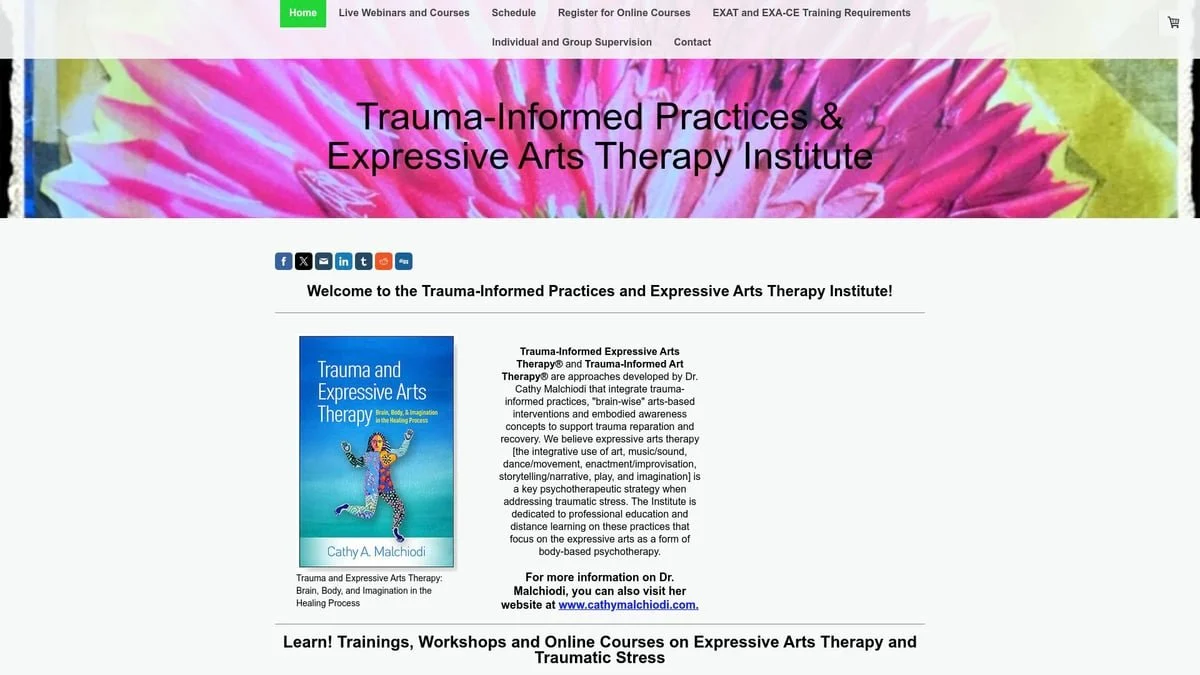
3. Trauma-Informed Practices and Expressive Arts Therapy Institute Certification
Creativity meets clinical skill in this unique certification from the Trauma-Informed Practices and Expressive Arts Therapy Institute. This option stands out among trauma informed courses by focusing on expressive arts and integration with trauma basics.
9 Essential Trauma-Informed Courses to Transform Your Practice
At $425, the course welcomes therapists, educators, artists, and coaches of all experience levels. The curriculum introduces creative, hands-on tools for trauma healing, making it ideal for those looking to diversify their interventions.
While it may offer less clinical depth for advanced practitioners, its accessibility and engaging activities make it a popular choice in school settings. Educators have used this training to foster resilience and support student well-being.
Participants gain new ways to connect with clients and implement trauma informed courses in both individual and group contexts. The blend of theory and creative practice makes this certification a valuable addition to any toolkit.
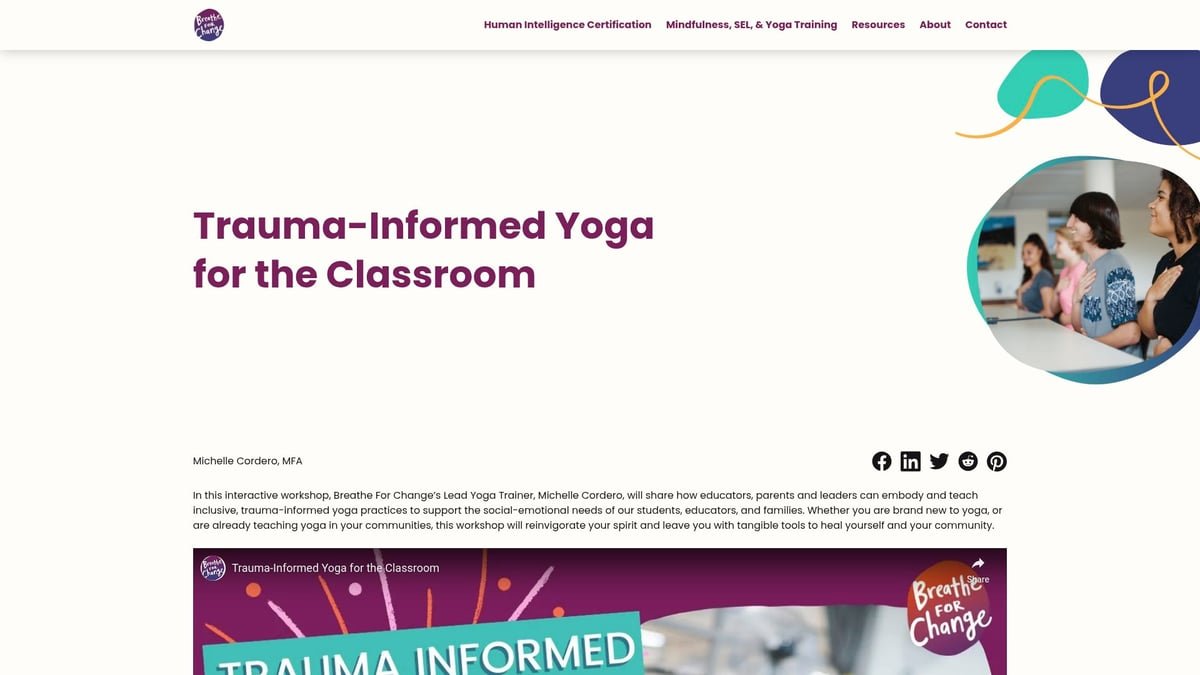
4. Trauma-Informed Yoga Certification by Yoga Ed.
For those interested in body-based healing, the Trauma-Informed Yoga Certification by Yoga Ed. brings a somatic dimension to trauma informed courses. Priced at $249, this program is designed for yoga instructors, therapists, and educators seeking to integrate trauma-sensitive practices into their work.
9 Essential Trauma-Informed Courses to Transform Your Practice
The course covers principles of trauma-sensitive yoga, provides adaptable lesson plans, and includes video instruction. Research-backed and practical, it equips participants to support individuals or groups using movement and mindfulness.
While this training is not a substitute for clinical education, it is highly accessible and can complement traditional trauma informed courses. Community centers and schools frequently use this certification to address trauma holistically.
Graduates report increased confidence in guiding students with trauma histories and a deeper understanding of the connection between body and mind in the healing process.
5. Trauma-Informed Care for Professionals by Coursera (University at Buffalo)
Coursera’s Trauma-Informed Care for Professionals, offered by the University at Buffalo, provides a foundational introduction to trauma informed courses. The course is free, with an option to purchase a certificate, making it widely accessible to those entering the field.
Participants engage in self-paced video lectures, quizzes, and peer interactions, gaining essential knowledge about trauma and best practices. The curriculum is designed for healthcare, social work, and education professionals.
As an introductory program, it offers limited depth, but it serves as an excellent starting point for those new to trauma informed courses. Many entry-level practitioners and students use this course to build a foundation before pursuing more advanced training.
The university-backed structure ensures credibility, and the flexible format allows learners to progress at their own pace. This course is a practical choice for anyone seeking to begin their journey in trauma informed care.
6. Trauma-Informed Clinical Practice by The Center for Trauma and Embodiment at JRI
The Trauma-Informed Clinical Practice course from the Center for Trauma and Embodiment at JRI is a leading option for those interested in somatic and embodiment-based trauma informed courses. Priced at $650, the program is designed for therapists, bodyworkers, and yoga practitioners.
This course places a strong emphasis on somatic healing and client safety, offering live experiential sessions and community support. The evidence-based approach is rooted in trauma-sensitive yoga and embodiment practices, which research shows can be highly effective for trauma recovery.
While the higher cost and time commitment may be challenging for some, the course’s immersive format fosters deep learning and practical skill development. Trauma recovery centers often adopt this training for their staff.
Participants leave with tools for safely integrating body-based work into trauma informed courses, enhancing outcomes for clients with complex trauma histories.
7. Trauma-Informed Lens Certificate by Starr Commonwealth
The Trauma-Informed Lens Certificate by Starr Commonwealth is tailored for the education sector, making it a standout among trauma informed courses for K-12 professionals. At $199, it offers accessible, targeted training for teachers, counselors, and administrators.
This course focuses on resilience-building, practical classroom tools, and creating safe learning environments. Its school-specific resources empower educators to address trauma’s impact on behavior and learning.
While it offers less clinical application for therapists, it is highly actionable for those working in schools. Many districts have implemented this course to reduce behavioral incidents and promote student well-being.
Educators completing this training gain confidence in supporting trauma-affected students and integrating trauma informed courses into everyday practice.
8. Trauma-Informed Supervision by PESI
Trauma-Informed Supervision by PESI is a specialized training designed for supervisors, managers, and team leads who oversee trauma informed courses and staff. Priced at $249, this course addresses supervision skills, managing vicarious trauma, and supporting team resilience.
9 Essential Trauma-Informed Courses to Transform Your Practice
Core features include practical templates, leadership strategies, and a focus on reducing staff turnover. The curriculum is not intended for entry-level practitioners but is ideal for those in leadership roles seeking to foster a trauma-informed workplace.
Clinical settings benefit from this training by improving team cohesion and reducing burnout. Supervisors gain tools to guide staff through challenging cases and create a supportive environment.
This course strengthens leadership capacity and ensures that trauma informed courses are effectively implemented across teams and organizations.
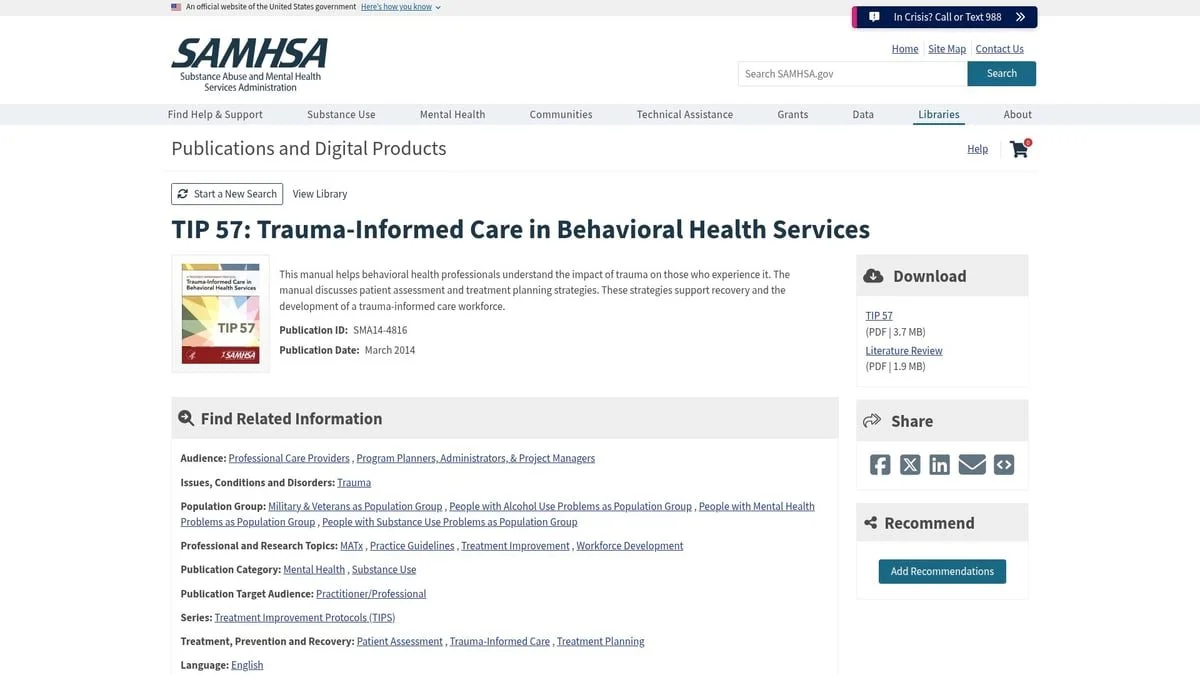
9. Trauma-Informed Care in Behavioral Health Services (SAMHSA)
The Trauma-Informed Care in Behavioral Health Services manual by SAMHSA is a comprehensive, free resource for behavioral health providers, administrators, and policymakers. Unlike many trauma informed courses, this manual offers extensive guidance on implementation and policy development.
9 Essential Trauma-Informed Courses to Transform Your Practice
It includes case studies, evidence-based guidelines, and adaptable tools for a range of service settings. The manual’s depth makes it a valuable reference for those leading organizational change or seeking to align with best practices.
While the content is dense and requires self-direction, it is widely used in government-funded mental health programs and large agencies. Practitioners can use this resource to supplement formal trauma informed courses or to inform agency-wide initiatives.
For those committed to advancing trauma informed care, this manual serves as an indispensable foundation and a guide for continuous improvement.
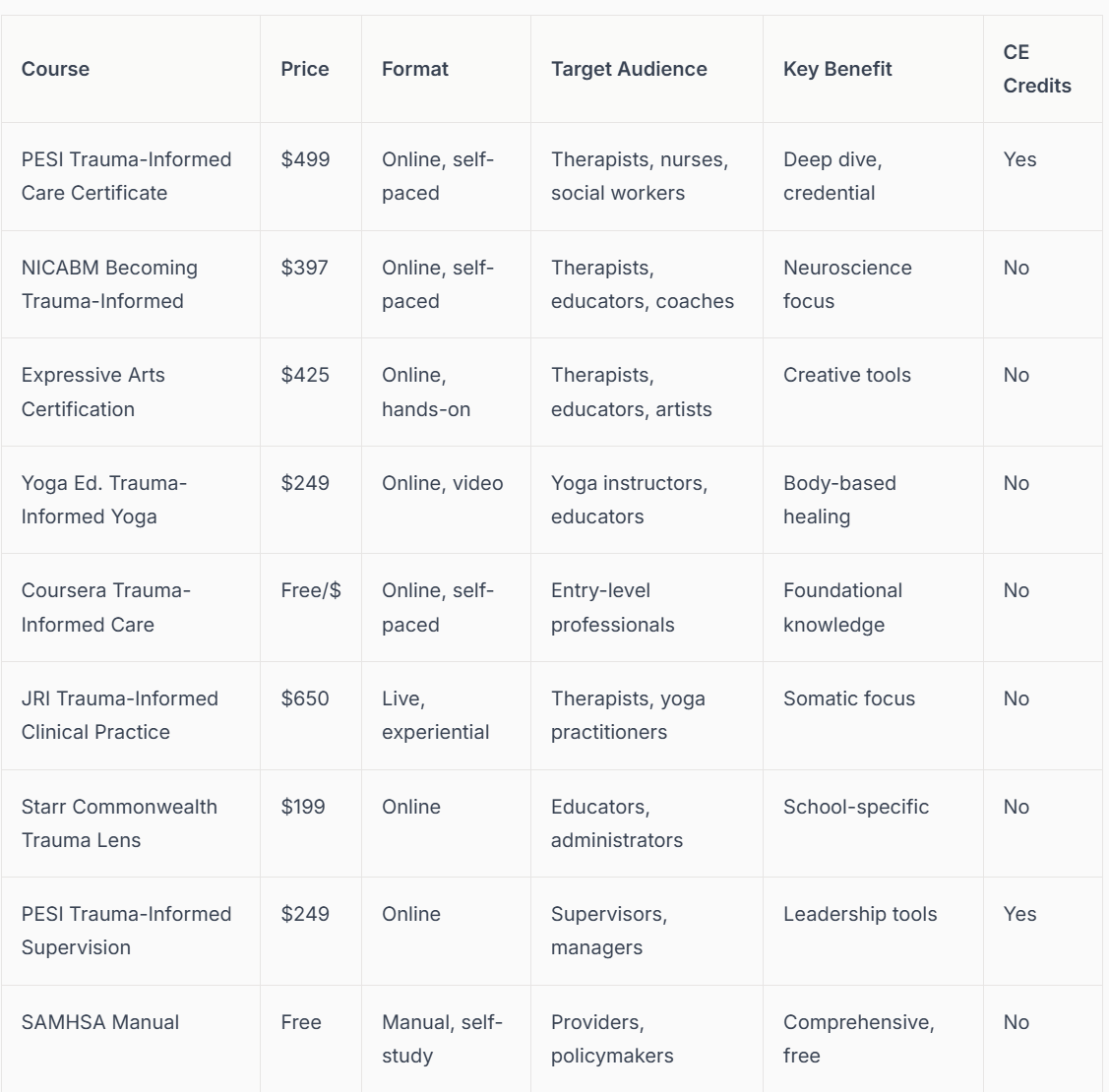
Course Comparison Table
9 Essential Trauma-Informed Courses to Transform Your Practice
These trauma informed courses offer a variety of pathways for professional growth. Choosing the right course depends on your goals, preferred learning style, and the populations you serve. With the right training, you can deliver care that is ethical, effective, and truly transformative.
How to Choose the Right Trauma-Informed Course for Your Practice
Selecting the right trauma informed courses is a pivotal step in advancing your professional expertise and client outcomes. With a wide range of options available, it is essential to approach the decision with clarity and intent. The right course not only enhances your knowledge but also aligns with your values, practice setting, and long-term goals.
Identify Your Goals and Audience
Begin by reflecting on your professional goals and the unique needs of those you serve. Are you seeking foundational knowledge, or do you need advanced, specialized skills? Consider whether your practice centers on clinical therapy, education, healthcare, or community work. Pinpointing these aspects will help you narrow down trauma informed courses that best match both your current role and your aspirations.
For instance, if your work involves children or school settings, look for programs with a strong educational focus. If you support individuals with complex trauma, a more clinical or somatic approach may be ideal. Understanding your audience ensures course content is relevant and directly applicable.
Evaluate Course Features and Formats
As you compare trauma informed courses, assess several key features. Examine course accreditation, continuing education (CE) credits, and instructor qualifications to ensure credibility. Course format is equally important. Decide if you prefer live, interactive sessions or flexible, self-paced modules.
Think about time investment and cost. Some courses offer free introductory content, while others require a larger commitment. Testimonials and reviews provide insight into real-world impact and learner satisfaction. Exploring the differences between trauma therapy vs. talk therapy can also clarify which approach best aligns with your professional development.
Make an Informed Comparison
Gathering this information allows you to make informed decisions about trauma informed courses. Review practical tools and support resources included in each offering. Consider whether the course provides templates, supervision, or community forums for ongoing learning.
Accredited programs with strong support networks foster confidence and sustained growth. Prioritize courses that offer actionable skills and ongoing access to materials. Remember, the best fit will address your immediate needs and support your long-term professional journey.
Quick Comparison Table
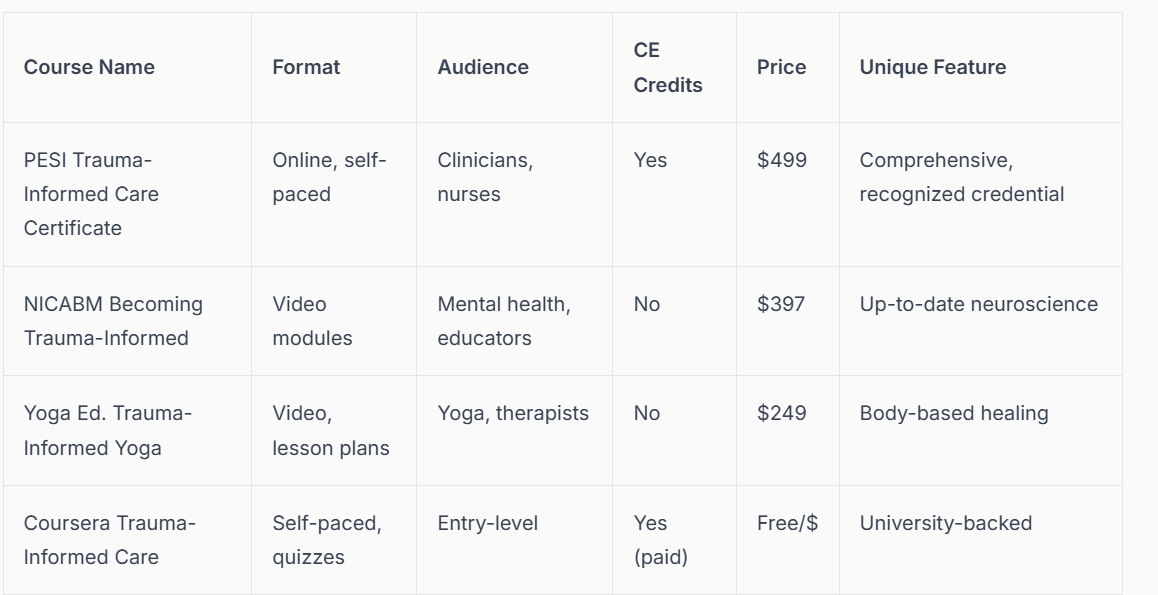
9 Essential Trauma-Informed Courses to Transform Your Practice
This summary helps you compare trauma informed courses at a glance, so you can select a course that aligns with your goals, audience, and learning preferences.
Integrating Trauma-Informed Training into Your Daily Work
Integrating trauma informed courses into your daily practice is an ongoing process. The true impact comes from consistently applying new skills and adapting your approach. Begin by identifying one or two key concepts from your recent trauma informed courses and create a plan to introduce them into your client interactions.
Start with these steps for smooth implementation:
Reflect on what resonated with you during the training.
Select practical tools or language shifts that align with your setting.
Experiment by using these strategies in real scenarios, then observe outcomes.
Regular supervision and peer consultation are vital. They help you process challenges, maintain ethical standards, and deepen your trauma-informed perspective. Encourage open conversations within your team to foster a supportive, learning-focused environment.
For organizations, consider short team huddles to share insights and celebrate progress. Leadership can model trauma-informed values by prioritizing psychological safety and continuous feedback. Consistency in language and expectations builds a trauma-aware culture.
Practitioner well-being is crucial. Setting boundaries, practicing mindfulness, and seeking support can reduce compassion fatigue. If you notice signs of burnout, explore resources on burnout recovery after trauma therapy to maintain resilience.
Small changes add up. Examples include offering choices to clients, adjusting your body language, or incorporating grounding exercises. Connecting with professional communities and staying engaged in ongoing education will help you sustain the benefits of trauma informed courses over time.
Local Support in PA, NC & SC
If you’re searching for burnout recovery therapy in Philadelphia, a trauma therapist in Pittsburgh, or virtual trauma therapy across North Carolina and South Carolina, you don’t have to keep surviving in exhaustion.

Trauma therapist in Raleigh, Pittsburgh, Greenville
I offer personalized trauma therapy intensives designed to help women recover from trauma burnout and toxic relationships—so you can finally feel like yourself again. If rest hasn’t worked, maybe it’s time to try something different. Schedule a consultation today for burnout recovery intensives in PA, NC, or SC.



Join me on Facebook, Instagram, Pinterest, Google orTikTok for more educational tips, trauma recovery insights, and updates on therapy intensives in Pennsylvania, North Carolina, and South Carolina.
Disclaimer
Listen, what you see here on my blog or social media isn’t therapy. It’s here to educate, inspire, and maybe even help you feel a little less alone. But if you’re in it right now and need real support, please reach out to a licensed therapist in your state who can walk alongside you in your healing journey.
Therapy is personal, and you deserve a space that’s all about you. If you’re in Pennsylvania, North Carolina, or South Carolina and looking for a trauma therapist who gets it, I’m currently accepting new clients for customized trauma therapy intensives. Let’s fast-track your healing journey—because you deserve to feel better, sooner.
About the Author
Mariah J. Zur, LPC is a trauma-informed therapist specializing in childhood trauma recovery, narcissistic abuse recovery, burnout, and customized therapy intensives. With over 10 years of experience, Mariah helps women break free from toxic relationship patterns and reclaim their emotional freedom.
She provides virtual trauma therapy intensives across Pennsylvania, North Carolina, and South Carolina, and offers in-person sessions in Pittsburgh, Philadelphia, and Southern Pines, NC. Drawing on evidence-based approaches—including Internal Family Systems (IFS) therapy and somatic strategies—Mariah creates safe, powerful spaces for women ready to do the deep work.
When she’s not in the therapy room, you’ll find her advocating for mental health awareness and supporting women in their personal transformation.
Research Brief Author
Mariah J. Zur, M.S., NCC, LPC, CCTP, PhD in Counselor Education and Supervision Student
