
Cerebral ADHD Guide: Understanding and Managing in 2026
Imagine a world where understanding and managing cerebral adhd is not only possible, but also tailored to your unique needs. As awareness of ADHD grows, so does the demand for more effective, accessible solutions. If you’re searching “cerebral ADHD,” you’re probably looking for online ADHD evaluation and treatment—and you want to know what’s legit, what’s hype, and what’s actually worth your time and money.
In 2026, advancements in digital health and neuroscience are reshaping how we approach cerebral adhd. New tools, therapies, and support systems empower individuals and families to take control of their journey.
This guide will help you navigate the latest in diagnosis, treatment, daily management, and support resources. Discover how modern, multi-modal strategies can transform your experience and build lasting confidence.

Cerebral ADHD in 2026: how online ADHD evaluation and telehealth treatment works, including diagnosis, therapy options, and what to expect.
What is ADHD? Defining Cerebral ADHD in 2026
Attention Deficit Hyperactivity Disorder (ADHD) remains a complex neurodevelopmental condition that significantly impacts millions of lives. In 2026, understanding cerebral adhd means recognizing its core symptoms, which typically include persistent inattention, hyperactivity, and impulsivity. These symptoms can present differently across ages and environments, making early identification crucial.
The clinical definition of ADHD has evolved to better capture the spectrum of experiences. Today, cerebral adhd is classified into several subtypes, such as predominantly inattentive, predominantly hyperactive-impulsive, and combined presentation. These subtypes allow for more targeted interventions and support. According to ADHD prevalence statistics 2024, ADHD continues to be one of the most commonly diagnosed neurodevelopmental disorders in both children and adults, reflecting its broad impact.
A major shift in recent years is the influence of digital health platforms like Cerebral. These services have expanded access to care, making it easier for individuals to seek evaluation, diagnosis, and ongoing support for cerebral adhd. Telehealth platforms now serve hundreds of thousands of clients, reflecting how mainstream online ADHD care has become. This digital transformation has also contributed to a wider understanding of ADHD, breaking down barriers related to stigma and accessibility.
The conversation around cerebral adhd now embraces neurodiversity and a strengths-based perspective. Rather than viewing ADHD solely as a deficit, there is a growing appreciation for the unique talents, creativity, and problem-solving skills often seen in individuals with ADHD. However, several myths persist. Some believe ADHD is only a childhood disorder or that it results from poor parenting, but research consistently disproves these misconceptions.
ADHD can look different in adults and children. For example, a child with ADHD may struggle to sit still in class or follow instructions, while an adult might face chronic disorganization, missed deadlines, or difficulty managing relationships. Recognizing these varied presentations is key for effective support and reducing the risk of overlooked diagnoses.
In summary, cerebral adhd in 2026 is defined by evolving clinical understanding, improved access through digital platforms, and a more inclusive, strengths-focused approach. Accurate information and early intervention remain essential for empowering individuals and families navigating the complexities of ADHD.
Diagnosing ADHD: Modern Tools and Approaches
Diagnosing cerebral adhd in 2026 is a multi-step process, blending technology and clinical expertise. Adults and families now have access to a broader range of tools and support than ever before. Understanding how these advances fit together is essential for timely, accurate diagnosis and ongoing management.

An online ADHD screener can be a helpful first step, but a cerebral ADHD diagnosis requires a full evaluation by a licensed clinician.
Recognizing Symptoms Across Ages
Identifying cerebral adhd starts with understanding how symptoms present at different life stages. In children, signs often include restlessness, difficulty following instructions, and impulsive actions. Adolescents may struggle with organization, time management, and emotional regulation.
Adults with cerebral adhd often experience chronic disorganization, forgetfulness, or difficulty sustaining attention at work. Gender differences persist, with girls and women sometimes exhibiting more subtle symptoms, leading to late or missed diagnoses.
Real-life scenarios reveal that many adults are diagnosed only after their child receives a diagnosis. Self-awareness is critical. Tracking daily challenges—such as losing items, missing deadlines, or struggling to focus—can prompt individuals to seek further evaluation.
Children: Fidgeting, trouble sitting still, interrupting others
Adolescents: Poor time management, impulsivity, mood swings
Adults: Chronic lateness, unfinished projects, relationship challenges
Recognizing these patterns is the vital first step in the cerebral adhd diagnostic journey.
Online ADHD Screeners and Digital Assessments
The rise of online ADHD screeners has transformed how people begin their cerebral adhd assessment. These digital tools offer a quick way to check for possible symptoms, often providing instant feedback. Many platforms, including telehealth services, now integrate these screeners as the first step in care.
While convenient, online tests have limitations. They can indicate the likelihood of cerebral adhd but are not definitive. A positive screener result should always lead to a professional evaluation for a formal diagnosis.
Recent years have seen a surge in screener usage, especially as digital health options expand. Telehealth integration means users can move seamlessly from an initial screener to scheduling a comprehensive assessment. This approach streamlines access and reduces barriers for those seeking help.
If you or a loved one suspects cerebral adhd, starting with a reputable online assessment can be a valuable, low-pressure entry point into care.
The Role of Professional Evaluation
Despite the convenience of digital tools, a thorough professional evaluation remains essential for diagnosing cerebral adhd. In 2026, most assessments begin with a virtual intake, followed by standardized rating scales, structured interviews, and a review of personal and family history.
Psychiatrists, psychologists, and specialized therapists collaborate to ensure an accurate diagnosis. Clinicians may use secure video calls, digital forms, and symptom tracking apps to gather comprehensive data. For adults, the process also considers co-occurring conditions and the impact on daily life.
Insurance coverage has improved, with the average copay per session for insured patients now around $30. Accessibility has increased, with reduced wait times and expanded telehealth options. This ensures that more individuals receive timely, personalized care.
For more insights into prevalence and adult treatment patterns, see the ADHD diagnosis and treatment in adults resource.
An accurate cerebral adhd diagnosis opens the door to effective treatment, improved self-understanding, and better quality of life.
Treatment Options for ADHD in 2026
Exploring treatment choices for cerebral adhd in 2026 reveals a landscape shaped by innovation, accessibility, and personalization. Today’s evidence-based care integrates medication, therapy, lifestyle changes, and ongoing collaboration to help individuals thrive.
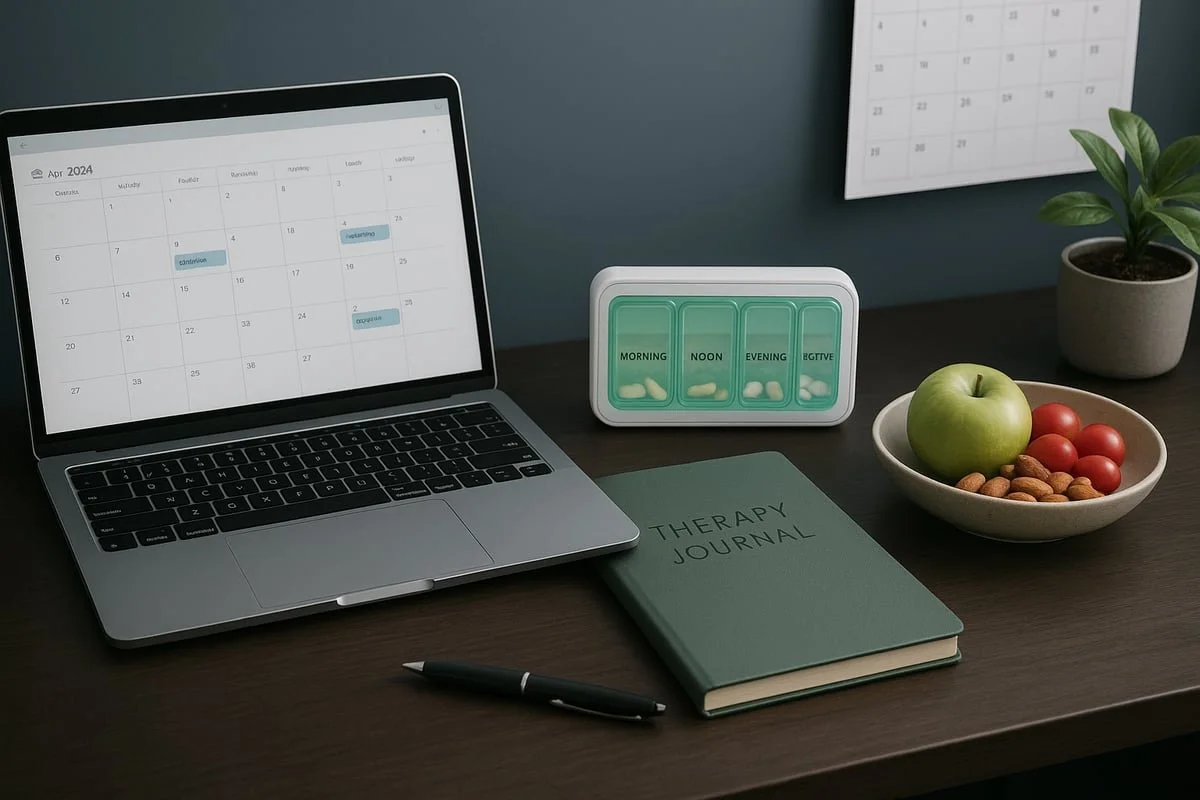
Cerebral ADHD treatment in 2026 often includes therapy, medication management when appropriate, and lifestyle supports that improve focus, sleep, and regulation.
Medication Management: What’s New and What to Expect
Medication remains a core part of many cerebral adhd treatment plans. In 2026, both stimulant and non-stimulant options are available, each with their own benefits and considerations. Stimulants like methylphenidate and amphetamines are still widely used, but many telehealth providers, including Cerebral, do not prescribe controlled substances such as Adderall. Telehealth rules and prescribing policies can change, especially for controlled ADHD medications, so always verify what a platform can provide in your state and what your clinician recommends.
Non-stimulant medications have gained traction, with recent innovations including Viloxazine, Atomoxetine, Bupropion, Guanfacine, and Clonidine. These options offer alternatives for those who may not tolerate stimulants well or prefer non-controlled medications. Personalized medication plans are now the norm, with regular virtual check-ins to monitor effectiveness and side effects.
Telehealth platforms have improved convenience, allowing prescriptions to be mailed or picked up locally. According to competitor data, medication plans typically cost $180 every three months. It is important to note that ADHD treatment guidelines recommend ongoing evaluation and adjustment to ensure optimal outcomes for cerebral adhd.
Therapy and Behavioral Interventions
Therapy is a vital part of cerebral adhd management, often working alongside medication for comprehensive care. Cognitive Behavioral Therapy (CBT) remains the gold standard, helping individuals build practical skills for focus, organization, and emotional regulation. Other evidence-based approaches, such as mindfulness-based therapy and skills training, are also commonly used.
Digital therapy sessions and virtual check-ins have become routine, making support more accessible than ever. Many platforms, including Cerebral, offer personalized treatment plans that combine therapy with medication or lifestyle guidance. Structure, routine, and skill-building are emphasized in every plan.
The integration of talk therapy and behavioral interventions allows clients to address both the core symptoms and the emotional impact of cerebral adhd. Providers use standardized tools to track progress, ensuring therapy is tailored to each person’s needs.
Supplements, Lifestyle, and Alternative Approaches
For some individuals with cerebral adhd, supplements and lifestyle changes play a supportive role alongside or in place of medication. While medications are generally more effective for symptom management, certain supplements like omega-3 fatty acids, zinc, and magnesium have shown modest benefits in some studies.
It is essential to consult a healthcare professional before starting any supplement, as efficacy and safety can vary. Nutrition, regular exercise, and good sleep hygiene are foundational to any cerebral adhd treatment plan. These lifestyle adjustments can improve focus, mood, and overall well-being.
Providers help clients balance medical and alternative strategies, ensuring that any changes are evidence-based and monitored for results.
Creating a Personalized Treatment Plan
A collaborative approach is central to cerebral adhd care in 2026. Clients work closely with providers to develop individualized plans, set achievable goals, and make adjustments as needed. Ongoing assessments, such as PHQ-9 and GAD-7, help track progress and identify areas for improvement.
Milestone tracking and regular progress reviews keep treatment on course. Many platforms employ methodologies like the Resilience Methodology, which emphasizes goal-setting and outcome measurement. This ensures that cerebral adhd care is dynamic, responsive, and client-centered.
By combining medication, therapy, lifestyle changes, and continuous collaboration, individuals can experience meaningful improvements and gain confidence in managing cerebral adhd every day.
Navigating ADHD in Daily Life: Strategies and Support
Living with cerebral adhd requires more than just medical management. Thriving means developing practical strategies, building supportive routines, and accessing the right resources. The following sections offer actionable guidance for those navigating daily challenges, whether at home, work, or in relationships.

Practical ADHD routines (timers, reminders, time-blocking) support executive function and reduce overwhelm for adults managing cerebral ADHD.
Building Effective Routines and Coping Skills
Establishing consistent routines is a cornerstone for managing cerebral adhd. Adults and children alike benefit from structure, which fosters predictability and reduces overwhelm.
Start with simple, repeatable habits:
Use visual calendars or digital apps to schedule daily tasks.
Break large projects into smaller, manageable steps.
Set reminders for appointments, medication, and self-care.
Digital tools can be game-changers for those with cerebral adhd. Popular options include task manager apps, focus timers, and voice-activated reminders. Try experimenting with different platforms to find what resonates with your workflow.
Common challenges such as procrastination and forgetfulness often persist, but practical strategies can help. For example, the "two-minute rule" encourages you to tackle any task that takes less than two minutes immediately. Another approach is externalizing memory by writing lists or using sticky notes.
Consider reviewing your routine weekly. Small adjustments, such as shifting your most challenging task to your peak energy time, can lead to meaningful improvements. By prioritizing structure and experimenting with supportive tools, you can build resilience and confidence in daily life.
Managing ADHD at Work and School
Navigating cerebral adhd in professional or academic environments involves self-advocacy and strategic planning. Begin by identifying your personal strengths and areas that require additional support.
For productivity:
Block distractions using noise-cancelling headphones or focus playlists.
Use time-blocking techniques to allocate periods for deep work and scheduled breaks.
Communicate openly with supervisors or educators about your needs.
Legal rights and reasonable accommodations play a crucial role. In many workplaces and schools, individuals with cerebral adhd can request modified deadlines, flexible schedules, or note-taking assistance. Understanding these rights empowers you to seek the environment you need to succeed.
Success stories from adults who have utilized telehealth platforms often highlight the value of personalized support. Many report that regular virtual check-ins and tailored strategies have improved their performance and overall satisfaction. If you face setbacks, remember that progress is not always linear. Reflect on what works, and adjust your approach as needed.
Emotional Health, Relationships, and Self-Esteem
Cerebral adhd impacts not only attention and focus, but also emotional well-being. Many adults experience anxiety, self-doubt, or frustration related to their symptoms. These feelings can affect relationships and self-esteem.
Therapy provides a safe space to explore emotions, develop coping mechanisms, and strengthen communication skills. Cognitive Behavioral Therapy (CBT) is especially effective for managing emotional regulation and building resilience. If perfectionism or anxiety are recurring themes in your life, you may find insights on perfectionism and anxiety especially helpful.
Testimonials from individuals with cerebral adhd often reflect the relief that comes with understanding their condition. They describe improved mood, deeper connections, and renewed confidence after starting therapy or medication. Remember, emotional health is a journey. Celebrate small victories, and seek support when challenges arise.
Accessing Community and Professional Support
Building a support network is essential for anyone with cerebral adhd. Online communities and peer support groups offer connection, shared experiences, and encouragement.
Look for local or virtual groups tailored to adults, parents, or specific interests. Advocacy organizations provide resources, educational materials, and updates on cerebral adhd research.
Coordinated care teams, often available through telehealth platforms, bring together therapists, prescribers, and coaches. These professionals collaborate to address your unique goals and needs.
Regular check-ins, whether with professionals or peers, reinforce accountability and motivation. Ongoing support helps you stay on track and adapt to new challenges as they arise. With the right resources and connections, managing cerebral adhd becomes a team effort, not a solitary journey.
Advances in Telehealth and ADHD Care
The landscape of cerebral adhd care has transformed dramatically with the rise of telehealth. Since 2020, more adults and families have turned to digital platforms for convenient, expert-led ADHD support. This evolution in care has not only increased access, but also improved outcomes for many who previously faced barriers to treatment.
The Rise of Online ADHD Treatment
Telehealth has become a cornerstone of cerebral adhd care, making expert support more accessible than ever. Since 2020, the number of people seeking online ADHD treatment has grown rapidly. Platforms now serve hundreds of thousands of clients, with competitor data showing over 530,000 individuals helped and consistent 4.6 app ratings.
This digital shift has bridged gaps for those in rural, remote, or underserved communities. With just a device and internet connection, clients can connect with licensed professionals for assessment, therapy, and medication management. Awards for best telehealth platforms highlight the industry’s commitment to quality and innovation.
For those interested in how telehealth expands access to ADHD care, explore more about Online Therapy in Pennsylvania and how virtual sessions are helping people statewide. The convenience of online appointments and flexible scheduling has become a game-changer for cerebral adhd management.
How Online Therapy and Medication Management Work
The process for cerebral adhd treatment through telehealth is straightforward and user-friendly. It typically begins with an online intake form, followed by a virtual evaluation with a clinician. Clients discuss their symptoms, history, and goals, leading to a tailored treatment plan.
Ongoing therapy sessions are conducted via secure video calls. Between appointments, clients can message their provider, ask questions, or request support. For those prescribed medication, options include home delivery or pick-up at a local pharmacy. Therapy plans average $175 per session or $795 for three months, making care predictable and manageable.
Digital tools also help track progress and ensure that each step is customized to the individual’s needs. This approach keeps cerebral adhd care both personal and efficient.
Insurance, Costs, and Accessibility
Affordability and accessibility are top priorities in cerebral adhd telehealth. Many platforms accept insurance, with average copays around $30 for insured patients. Flexible payment options, including FSA and HSA eligibility, further reduce financial barriers.
Out-of-pocket costs are clearly outlined, allowing clients to make informed decisions. Compared to traditional in-person care, telehealth often reduces wait times and increases appointment availability. These improvements mean more people can access cerebral adhd support when they need it most.
Ensuring Quality and Personalized Care
Quality assurance is at the heart of cerebral adhd telehealth services. Providers are carefully vetted, ensuring clients are matched with clinicians who meet their needs. If a client feels their provider is not the right fit, switching is simple and supported.
Standardized assessments and regular progress tracking help keep treatment on track. Client feedback is encouraged and used to refine services, fostering continuous improvement. This commitment to personalization and excellence ensures every cerebral adhd journey is supported by a dedicated, responsive care team.
Frequently Asked Questions About Cerebral ADHD
Navigating cerebral adhd in 2026 can raise many questions for adults and families. Below, we address the most common concerns about diagnosis, treatment, and ongoing management, helping you make informed decisions with confidence.
What is the difference between ADHD and other mental health conditions?
Cerebral adhd is distinct from mood disorders, anxiety, or learning disabilities. While symptoms like inattention or restlessness can overlap, ADHD is defined by a persistent pattern of inattention, hyperactivity, and impulsivity. Accurate diagnosis is crucial, as treatment approaches differ. For more on prevalence and common symptoms, review ADHD statistics and facts.
Can adults develop ADHD later in life?
While cerebral adhd is typically diagnosed in childhood, some adults are not identified until later. Symptoms must have been present before age 12, but may only become noticeable in adulthood when responsibilities increase. Many adults seek evaluation after recognizing ongoing struggles with focus, organization, or impulsivity.
What medications are available through telehealth platforms, and what are the limitations?
Telehealth services for cerebral adhd often prescribe non-stimulant medications such as atomoxetine, bupropion, or guanfacine. Most platforms do not offer controlled substances like Adderall. Providers tailor medication plans to individual needs, monitor for side effects, and coordinate prescription delivery or local pharmacy pick-up.
How often should I meet with my therapist or prescriber?
For cerebral adhd, initial appointments may be more frequent as your care team establishes a baseline and monitors early progress. Many clients meet with a prescriber monthly and a therapist every one to two weeks, adjusting as stability improves or needs change.
What should I expect from my first virtual ADHD assessment?
A virtual evaluation for cerebral adhd includes a comprehensive intake, review of symptom history, standardized questionnaires, and a video interview. Providers may ask about childhood behaviors, current challenges, and family history. The process is confidential, structured, and designed to ensure an accurate diagnosis.
How do I track my progress and adjust my treatment plan?
Tracking cerebral adhd progress involves regular check-ins, digital symptom trackers, and standardized tools like the PHQ-9 or GAD-7. Providers work with you to review milestones, discuss challenges, and update your treatment plan as needed. Consistent feedback helps optimize outcomes.
Can I combine therapy and medication for better results?
Yes, most experts recommend a multi-modal approach for cerebral adhd. Combining cognitive behavioral therapy with appropriate medication can address both symptoms and underlying emotional challenges. Personalized care plans often yield the best long-term results.
What are my options if I don’t respond well to initial treatments?
If first-line treatments for cerebral adhd are not effective or produce side effects, providers may adjust dosages, switch medications, or recommend alternative therapies. Open communication with your care team is key to finding the right strategy for your unique needs.
Are there risks or side effects associated with ADHD medications or supplements?
All medications and supplements for cerebral adhd carry potential side effects. Common issues include appetite changes, sleep disturbances, and mood shifts. Always consult your provider before starting new treatments and report any concerning symptoms promptly.
How can I find the right provider or platform for my needs?
When seeking cerebral adhd support, consider provider credentials, telehealth platform reviews, and client feedback. Look for personalized matching, the ability to switch clinicians, and transparent pricing. Many platforms offer introductory sessions to help you decide.
Where can I find additional resources and support for ADHD management?
Explore online communities, peer support groups, and advocacy organizations for cerebral adhd. For more answers, visit our FAQs on Therapy and ADHD page. Ongoing support and coordinated care can make a significant difference in your journey.

Mariah Zur, LPC is a Raleigh-based therapist specializing in intensive therapy for high-achieving professionals experiencing anxiety, burnout, and chronic internal pressure. She works with executives, entrepreneurs, physicians, and attorneys across North Carolina who want focused, results-driven support without long-term weekly therapy.


Mariah J. Zur, LPC is a licensed therapist based in Raleigh, North Carolina, specializing in intensive therapy for high-achieving adults experiencing chronic stress, internal pressure, and high functioning anxiety. She works primarily with executives, entrepreneurs, physicians, attorneys, and founders who remain outwardly successful but feel worn down by constant overdrive.
Mariah’s work is especially suited for professionals navigating burnout, decision fatigue, and emotional disconnection despite insight and coping skills. She offers focused therapy intensives designed to create meaningful change without long-term weekly therapy or diagnostic labeling.
She provides intensive therapy services for adults across North Carolina, with in-person options available in Raleigh and the Research Triangle, and works with clients statewide through structured intensive formats.
Credentials:
Mariah J. Zur, MS, LPC
Licensed Professional Counselor
Doctoral Student, Counselor Education and Supervision
