
Setting Boundaries with Family During the Holidays Without Guilt
The holidays bring a lot of expectations and for many people, those expectations come from family members who don't respect boundaries, invalidate your feelings, or make gatherings feel emotionally unsafe.
If you dread family events, feel guilty for wanting to protect your peace, or spend the holidays walking on eggshells, you're not alone. Setting boundaries during the holidays is one of the hardest things to do especially when cultural and family pressure tells you that you owe people your time, energy, and emotional availability.
But here's the truth: protecting yourself isn't selfish. Boundaries aren't punishments. And you don't have to sacrifice your mental health to keep the peace.

Someone sitting peacefully alone with a journal or tea, calm and centered.
Why Holiday Boundaries Feel So Hard
Setting boundaries during the holidays is complicated by several factors:
Cultural messaging: The holidays are supposed to be about family togetherness, forgiveness, and joy. When your reality includes toxic behavior, emotional manipulation, or unresolved trauma, this messaging makes you feel like the problem for not "just getting along."
Guilt and obligation: Many people feel guilty for saying no to family, especially if they've been conditioned to believe that family always comes first, no matter the cost. The idea of disappointing people or being labeled "difficult" can feel unbearable.
Fear of conflict: If your family is volatile, dismissive, or prone to guilt-tripping, setting boundaries can feel like inviting drama. Sometimes it feels easier to just endure it than deal with the fallout.
Invalidation of your experience: Family members might minimize your concerns ("You're too sensitive," "It's just one day," "That's just how they are"), making it hard to trust your own needs.
Isolation: If setting boundaries means spending the holidays alone, the loneliness can feel worse than the dysfunction. You might convince yourself it's not "that bad" just to avoid being by yourself.
What Healthy Holiday Boundaries Look Like
Boundaries during the holidays don't mean cutting everyone off or being cruel. They mean protecting your emotional and mental well-being by deciding what you will and won't tolerate. Here are some examples:
Limiting time at gatherings: "I'll come for two hours, but I won't be staying overnight."
Declining events entirely: "I've decided to spend the holidays differently this year."
Refusing to engage in certain conversations: "I'm not discussing my personal life/job/relationship status."
Leaving when you feel unsafe: "I need to leave now. I'll talk to you later."
Not explaining or justifying your decisions: "This is what works for me."
Choosing how you spend your time: Opting out of traditions that drain you and creating new ones that feel meaningful.
Boundaries aren't about controlling others, they're about honoring yourself.
Scripts for Setting Boundaries During the Holidays
If you're not sure how to communicate boundaries, here are some scripts you can adapt:
When declining an invitation:
"Thanks for the invite, but I'm not going to make it this year. I hope you have a great time."
"I've decided to do something quieter this holiday season. I appreciate you thinking of me."
When limiting your time:
"I'll stop by for a couple of hours, but I won't be able to stay long."
"I'll be leaving around [time]. I'm looking forward to seeing everyone briefly."
When someone pushes back:
"I know this is different from what we've done before, but it's what I need right now."
"I'm not open to negotiating this. I hope you can respect my decision."
When avoiding triggering topics:
"I'd rather not talk about that today."
"Let's talk about something else."
"I'm not discussing this."
When you need to leave:
"I'm not feeling well. I need to head out."
"This isn't working for me. I'm going to go."
You don't owe anyone a detailed explanation. "No" is a complete sentence.
How to Manage Guilt After Setting Boundaries
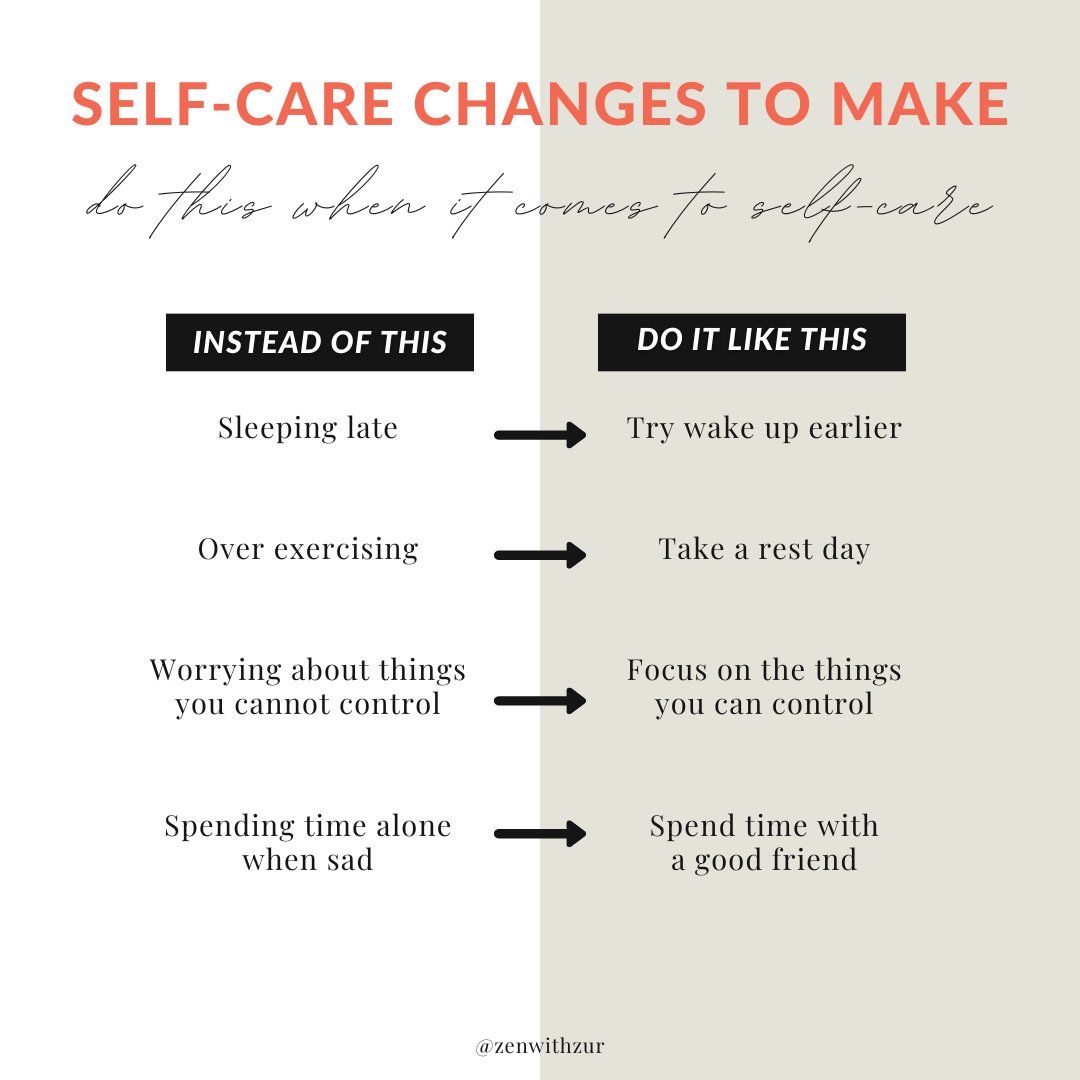
Self-care for guilt.
Even when boundaries are necessary, guilt often follows. You might worry you've hurt people, ruined the holidays, or proven you're selfish. Here's how to work through that guilt:
Remind yourself why the boundary exists: Your boundary isn't arbitrary, it's protecting you from harm. Write down the reasons you set it so you can revisit them when guilt creeps in.
Recognize the difference between guilt and shame: Guilt says, "I did something wrong." Shame says, "I am wrong." Most of the time, what you're feeling is shame imposed by others, not guilt from actual wrongdoing.
Expect pushback and prepare for it: People who benefited from your lack of boundaries will resist them. Their discomfort doesn't mean your boundary is wrong.
Practice self-compassion: "I'm doing the best I can. Protecting myself is not selfish. I'm allowed to choose my well-being."
Talk to someone who gets it: Whether it's a therapist, a trusted friend, or a support group, having someone validate your decision can ease the guilt.
How Therapy Helps You Set and Maintain Boundaries
Boundary-setting is one of the most common struggles for people healing from toxic family dynamics, narcissistic abuse, or childhood trauma. In therapy, we work together to:
Identify where boundaries are needed: Sometimes you know something feels wrong, but you can't name it. Therapy helps you clarify what's not okay and why.
Challenge internalized beliefs: If you grew up believing that boundaries are selfish, mean, or disrespectful, therapy helps you rewrite those beliefs so you can protect yourself without guilt.
Practice boundary-setting in a safe space: Role-playing conversations, planning responses, and rehearsing what you'll say can make the real-life moment feel less overwhelming.
Process the emotions that come up: Grief, anger, fear, relief, boundaries bring up a lot. Therapy helps you make sense of what you're feeling and move through it without shutting down.
Heal the trauma that made boundaries so hard: If you were punished for saying no, dismissed when you expressed needs, or made responsible for others' emotions, therapy helps you reclaim your right to protect yourself.
Through trauma-informed therapy and Internal Family Systems, we help you reconnect with the part of you that knows what you need, and support you in honoring that, even when it's hard.
If you're struggling to set boundaries with family during the holidays, therapy can help. You don't have to keep sacrificing your peace to make others comfortable.

Therapy intensives in Raleigh, Pittsburgh and across NC, SC, PA.
I specialize in trauma therapy for adults in NC, SC, and PA who are healing from toxic family dynamics, narcissistic abuse, and childhood trauma. Together, we can help you reclaim your voice and protect your well-being, during the holidays and beyond.
[Schedule a free consultation] to explore how therapy can support you.
Mariah J. Zur, LPC is a licensed trauma therapist with expertise supporting clients in North Carolina, South Carolina, and Pennsylvania. She specializes in trauma-informed therapy, Internal Family Systems (IFS), narcissistic abuse recovery, and trauma intensives. Using evidence-based approaches, Mariah helps clients heal from childhood trauma, toxic relationships, emotional exhaustion, and functional freeze. At Zen with Zur, she is committed to providing compassionate, expert care both online and through intensive sessions for clients across NC, SC, and PA.
