The Science Behind Trauma: How Trauma Impacts the Brain in Pittsburgh and Across Pennsylvania
Are you curious about how trauma impacts the brain? In Pittsburgh and across Pennsylvania, knowing how trauma changes your brain can empower you to heal and grow. This guide breaks down the science of trauma in simple, straightforward language. Let’s explore how trauma affects memory, emotions, and decision-making—and learn how you can take charge of your healing journey.
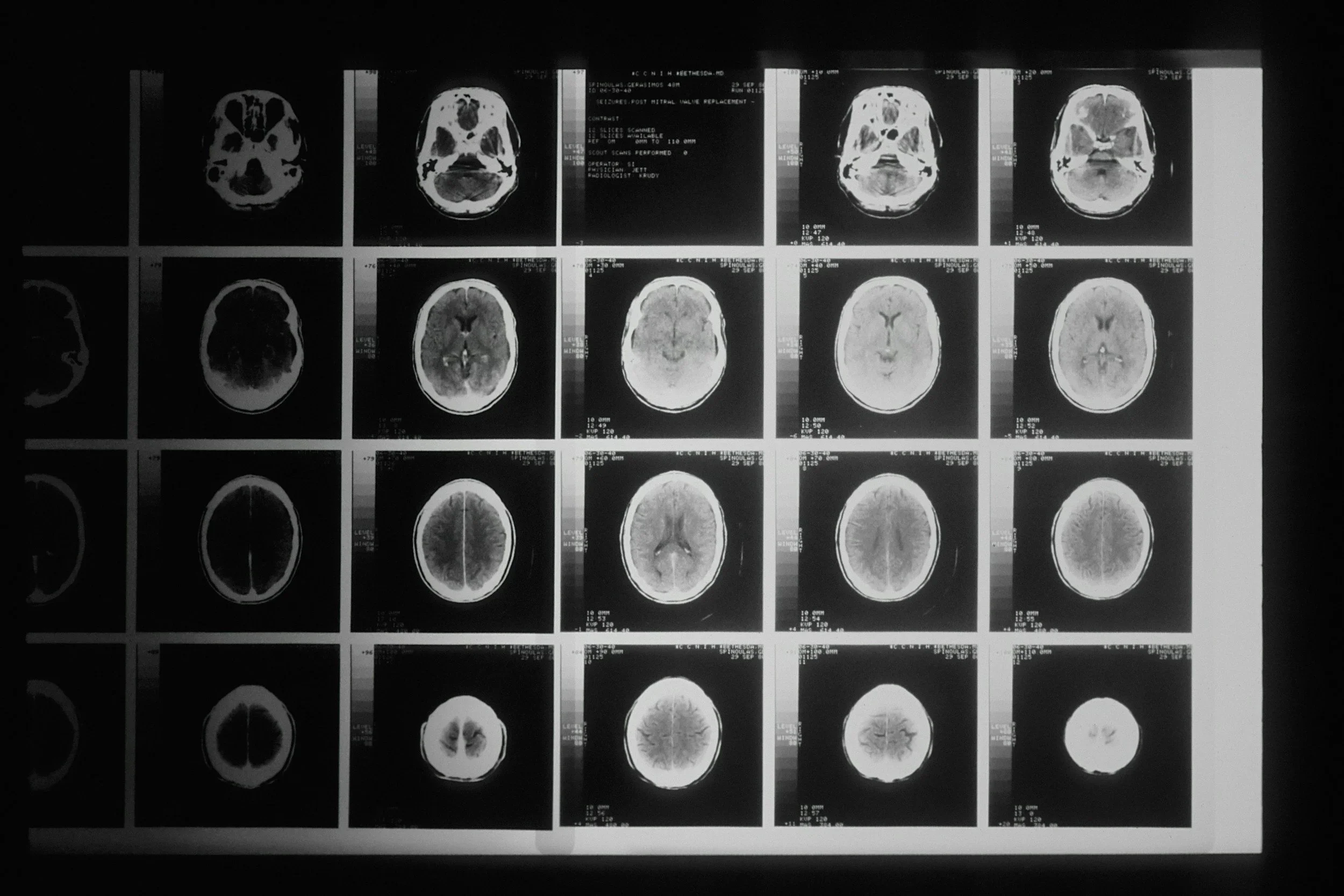
What Is Trauma and How Does It Impact the Brain?
Trauma is a strong, painful reaction to a distressing event. It doesn’t just hurt your feelings—it rewires your brain. When you experience trauma, your brain’s natural systems go into overdrive.
Fight-or-Flight Response: Your amygdala, the emotion center, becomes active, making you feel scared or on edge.
Memory Changes: The hippocampus, which helps form and recall memories, may shrink with stress.
Impaired Decision-Making: Your prefrontal cortex, which helps with thinking and planning, may slow down.
Research shows that trauma can rewire the brain, causing changes in structure and function (read more).
The Neurobiological Effects of Trauma
Trauma changes how your brain works by altering its wiring and chemicals.
Neural Rewiring: Trauma can change the way brain cells connect. Studies suggest that neural pathways shift in up to 70% of trauma survivors.
Chemical Imbalances: Stress hormones like cortisol and norepinephrine may stay high, upsetting your mood. Long-term changes in these chemicals are found in over 60% of individuals with PTSD.
How Trauma Impacts Memory and Cognition
Trauma can make it hard to remember things and think clearly.
Fragmented Memories: Trauma can break up memories, so they don’t flow well. Research shows a 15% reduction in hippocampal volume in traumatized brains.
Cognitive Impairment: Many survivors find it hard to concentrate or make decisions. Studies report that nearly 50% of individuals with PTSD have deficits in verbal memory.
Trauma’s Influence on Emotional Regulation
Trauma also affects how you handle your emotions.
Heightened Emotions: Trauma may lead to intense feelings like fear, anger, or sadness.
Emotional Numbness: Some people feel detached or empty after trauma.
Unhealthy Coping: These shifts can lead to avoidance or other harmful habits.
Data shows that the brain areas processing emotional regulation can be significantly altered by trauma.
Healing in Pittsburgh and Across Pennsylvania
Trauma is a community issue in Pittsburgh and throughout Pennsylvania. Local organizations, healthcare providers, and support groups are here to help you heal.
Local Resources: Find trauma recovery centers and therapy groups in our Steel City.
Collective Healing: Embracing trauma-informed care can build a stronger, healthier community.
Discover local trauma recovery resources.
Frequently Asked Questions
1. How does trauma impact the brain?
A: Trauma rewires the brain by triggering the fight-or-flight response, which changes areas like the amygdala, hippocampus, and prefrontal cortex. This affects memory, emotions, and decision-making.
2. How does childhood trauma impact the brain?
A: Childhood trauma can be especially harmful because a young brain is still developing. It may lead to a smaller hippocampus and an overactive amygdala, causing long-term memory and emotional control challenges.
3. Can childhood trauma cause brain damage?
A: While childhood trauma doesn’t cause physical brain damage like an injury, it can lead to significant changes in brain structure and function that impact learning, memory, and emotion over time.
4. How does childhood trauma impact the brain differently than adult trauma?
A: Childhood trauma occurs during critical periods of brain development, which can lead to lasting effects on memory, emotional regulation, and cognitive function, often more severe than trauma experienced in adulthood.
5. Can childhood trauma cause brain fog?
A: Yes, many survivors of childhood trauma report brain fog. This includes difficulty concentrating and remembering details, likely due to brain structure and function changes.
Understanding How Trauma Impacts the Brain
Understanding how trauma impacts the brain is the first step toward healing. In Pittsburgh and across Pennsylvania, this knowledge empowers you to seek help and build a brighter future. I genuinely want the best for you! With insights into how trauma alters memory, emotion, and decision-making, you can work with local professionals to restore balance and resilience. I’d love to work with you, and I’m happy to see if we would be an excellent fit for therapy.
Take that first step today. Your journey toward recovery starts with understanding.
Ready to get started?
If you’re struggling to move forward from a toxic relationship, let’s work together. I offer virtual trauma therapy and intensives across Pittsburgh, Philadelphia, and all of Pennsylvania.

I offer focused therapy intensives for adults who are still functioning but feel worn down by constant pressure, anxiety, or patterns that no longer work. This work is designed for people who want depth, clarity, and relief without labels or long-term weekly therapy. If you’re in North Carolina, South Carolina, or Pennsylvania and curious whether an intensive format could be supportive, you’re welcome to learn more.
Join me on Instagram, Pinterest and TikTok for more educational tips, trauma recovery insights, and updates on therapy intensives in Pennsylvania, North Carolina, and South Carolina.
Disclaimer
The content shared here is for educational and informational purposes only. It is not a substitute for psychotherapy, medical care, or individualized mental health treatment. Reading this blog or engaging with my content does not establish a therapeutic relationship.
If you are experiencing significant distress or feel you need personalized support, I encourage you to seek care from a licensed mental health professional in your state. Therapy is deeply personal, and the right support should be tailored to your specific needs, pace, and circumstances.
For adults located in North Carolina, South Carolina, or Pennsylvania who are seeking focused, confidential support, I offer customized therapy intensives designed to address chronic stress, internal pressure, and patterns that no longer work. Information about these services can be found throughout this site.
About the Author
Mariah Zur, LPC is a licensed therapist who works with high-achieving adults navigating chronic stress, internal pressure, and the quiet unraveling that can happen beneath outward success. Her work is especially suited for individuals who are highly functional, deeply self-aware, and exhausted from holding everything together.
Mariah offers therapy intensives for adults seeking focused, contained support without labels, long-term weekly therapy, or unnecessary exposure. Her approach is grounded, relational, and nervous-system informed, helping clients slow the internal spiral, regain a sense of control, and move forward with clarity and steadiness.
She provides intensive therapy services online across North Carolina, South Carolina, and Pennsylvania, with in-person options available in Raleigh, NC.
Credentials
Mariah J. Zur, MS, LPC
Licensed Professional Counselor
Doctoral Student, Counselor Education and Supervision
