You're the person everyone calls when something goes wrong.
You listen, offer solutions, smooth over disagreements, and somehow know what everyone needs. But when someone asks how you're doing, you might not know what to say.
If helping others feels easier than understanding your own emotions, you may recognize a pattern called overfunctioning in relationships.
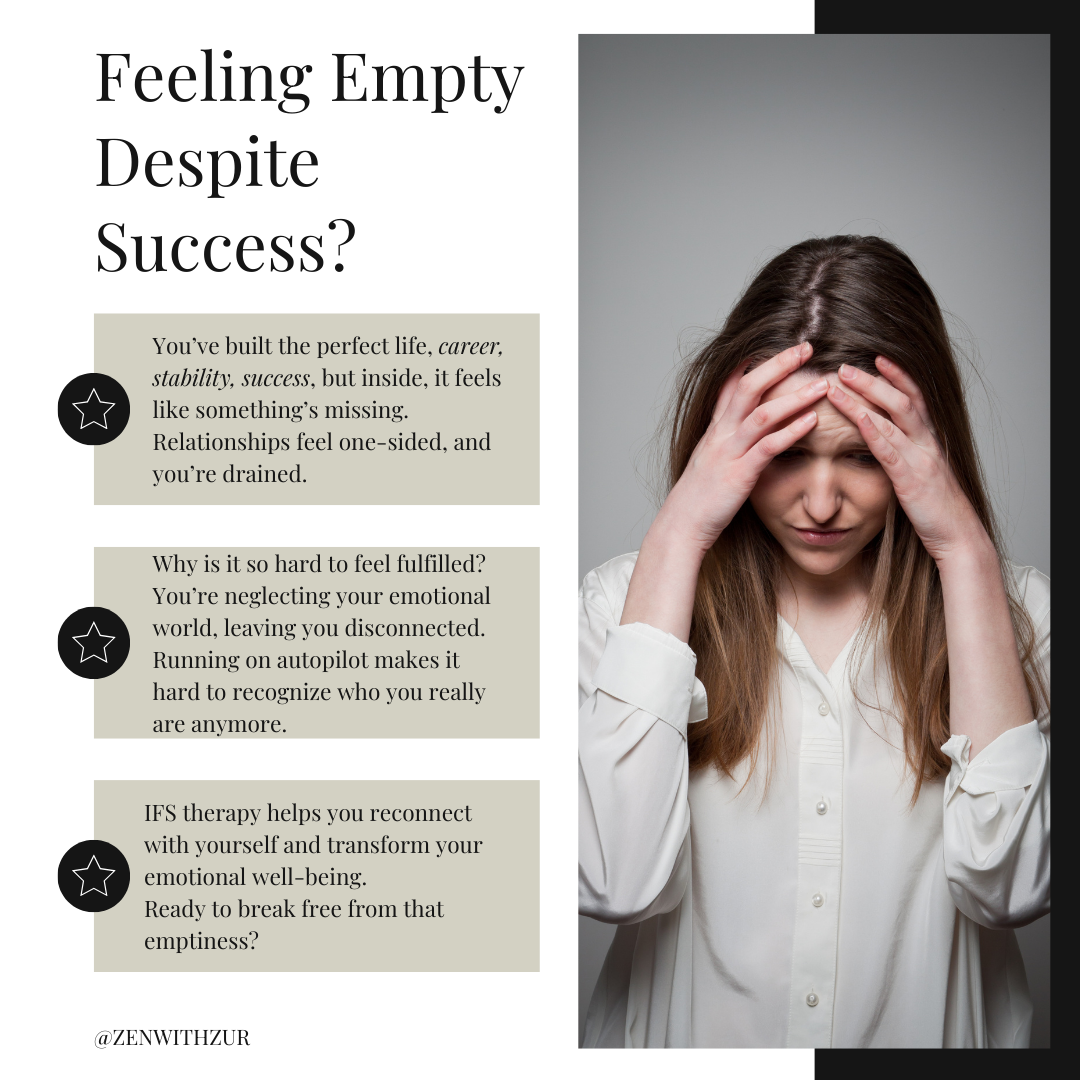
What Is Overfunctioning in Relationships?
Overfunctioning happens when you regularly take on more responsibility for other people's problems, feelings, or decisions than is yours to carry.
Maybe you manage your partner's schedule, anticipate your family's reactions, or feel compelled to resolve every disagreement.
Being thoughtful and dependable can be meaningful qualities. The difficulty comes when your own needs consistently disappear beneath everyone else's.
5 Signs You Might Be Overfunctioning
1. You Feel Responsible for Everyone's Emotions
Someone is disappointed, and you immediately wonder what you should do to fix it.
You may apologize, change plans, or offer reassurance before considering whether their feelings are actually yours to manage.
2. You Offer Solutions Before Anyone Asks
When someone shares a problem, your mind jumps straight into problem-solving.
Listening without taking action might feel uncomfortable, even when the person simply wants to be heard.
3. You Struggle to Recognize Your Own Needs
You know when your partner is stressed or your friend needs encouragement.
But identifying whether you're tired, frustrated, or overwhelmed can feel surprisingly difficult.
Our article on how to feel your feelings without overthinking explores this experience.
4. You Feel Guilty When You Step Back
Taking a break may bring thoughts like, “I'm letting everyone down.”
This can overlap with people pleasing in relationships, especially when saying no feels like risking connection.
Our guide on how to say no without guilt offers related reflections.
5. Your Relationships Feel One-Sided
You may notice that you're usually organizing, checking in, or repairing conflict.
Over time, carrying so much responsibility can leave you feeling lonely, resentful, or disconnected.
Understanding the Fixer Mentality
Sometimes called a Fixer mask, this pattern can develop when being helpful feels connected to belonging, safety, or self-worth.
You might have learned that anticipating other people's needs helped prevent conflict or maintain closeness.
That doesn't mean every helpful action comes from fear. It simply invites curiosity about when caring becomes an obligation.
The National Institute of Mental Health offers general guidance on recognizing and supporting your own well-being.
How Internal Family Systems Can Help You Understand the Fixer
Internal Family Systems, or IFS, offers a way to explore different aspects of our inner experience.
From this perspective, the part of you that rushes to help may be trying to protect you from discomfort, rejection, or conflict.
Instead of criticizing that part, you can become curious about what it fears might happen if you stopped fixing everything.
You can learn more about the model through the IFS Institute.
What Can You Do When You Notice Yourself Overfunctioning?
Start by asking yourself:
Did this person ask for my help?
Am I offering support or taking over responsibility?
What am I feeling or needing right now?
You don't need to stop caring about people. You can practice allowing others to have their own experiences while making room for yours.
The Mental Health Foundation's resources on relationships offer additional perspective.
Begin Healing With Zen with Zur

Mariah J. Zur, LPC, LCMHC
Online Therapy for High-Achieving Women in NC, SC & PA
At Zen with Zur, we offer compassionate, trauma-informed virtual individual therapy for eligible adults in North Carolina, South Carolina, and Pennsylvania.
Our work can explore people-pleasing, relationship patterns, boundaries, and emotional self-trust at a pace that feels right for you.
Session options: 50 minutes for $175 or 75 minutes for $275.
Learn more about individual online therapy with Zen with Zur and whether working together feels like a good fit.
