
Why Rest Doesn’t Help (and what actually does)

You're Exhausted. But You Can't Relax.
You take a vacation. Sit on the beach. Close your laptop.
And your body stays revved. Your mind keeps spinning. Your chest stays tight.
Rest doesn't help. It makes you more anxious.
That's not because you're broken or "bad at relaxing." It's because your nervous system is stuck in overdrive. And no amount of willpower can override your biology.
If you're a high-performing entrepreneur, athlete, or professional in North Carolina, particularly in Pinehurst, Moore County, or the Research Triangle, this pattern is common. You've built success on pushing through. But your body is keeping score.

Your nervous system has a gas pedal (sympathetic) and brake pedal (parasympathetic). Dysregulation = stuck in overdrive.
What Nervous System Dysregulation Actually Is
Your autonomic nervous system has two main branches:
Sympathetic (gas pedal): Fight-or-flight. Mobilization. Action. Survival mode.
Parasympathetic (brake pedal): Rest-and-digest. Recovery. Downshift. Safety mode.
When you're healthy, you shift between these states fluidly. Work requires focus? Gas pedal. Done for the day? Brake pedal.
But when you're dysregulated, you're stuck in sympathetic dominance.
Your body treats everything like a threat. Checking email = threat. Client meeting = threat. Sunday night = threat.
You're running on adrenaline and cortisol 24/7. And your brake pedal? It stopped working.
Common signs:
Wired and tired (exhausted but can't sleep)
Racing thoughts that won't shut off
Chest tightness or shallow breathing
Constantly on edge
Rest feels uncomfortable or "wrong"
Can't digest food properly (gut issues)
Crashes hard after pushing through
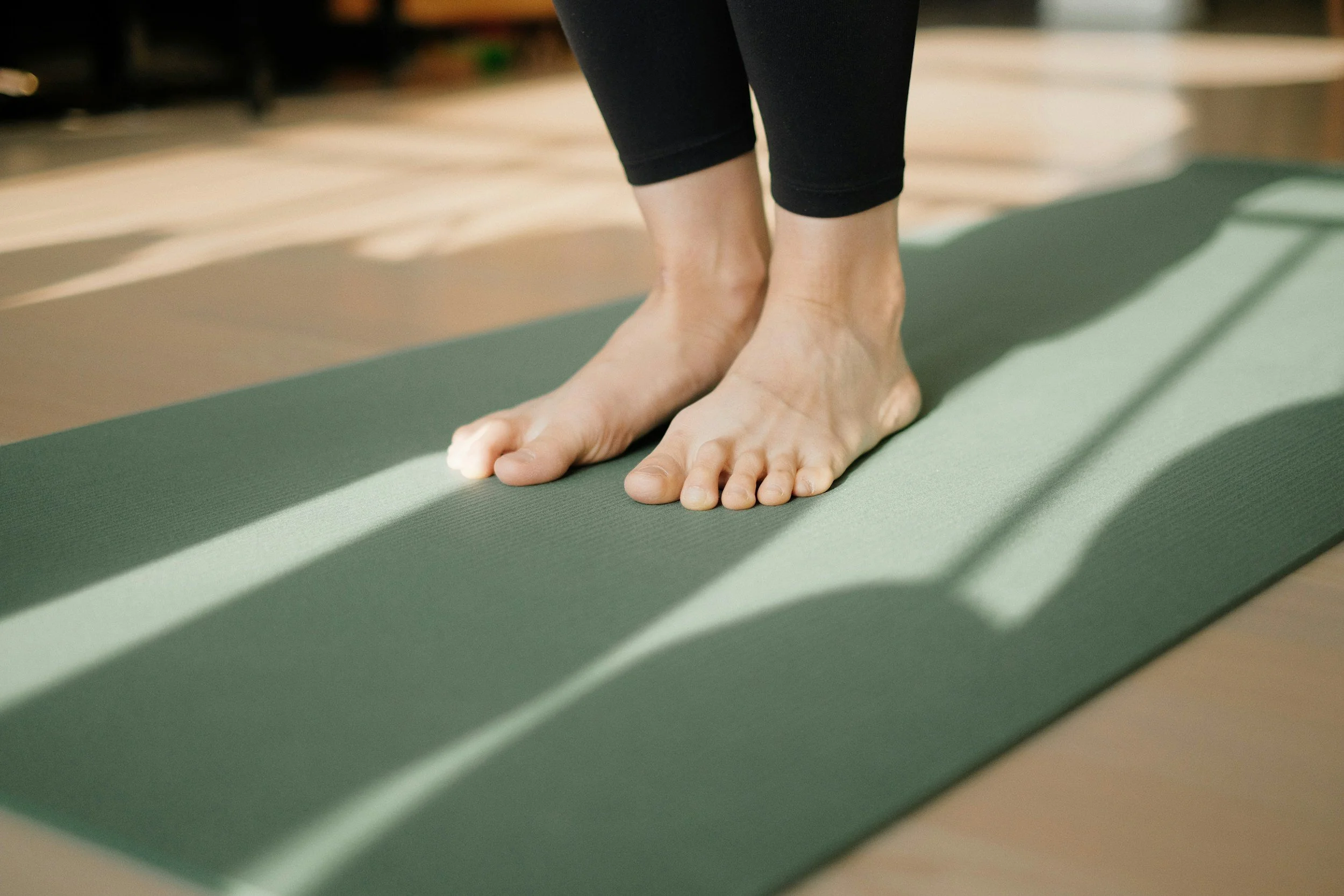
Regulation isn't forced relaxation. It's teaching your body that safety is real.
The Science: Polyvagal Theory Explained Simply
Dr. Stephen Porges introduced Polyvagal Theory to explain how our nervous system responds to safety and threat. Recent 2025 research continues to validate its clinical applications.
Here's the simple version:
Your nervous system has three states:
1. Ventral Vagal (Social Engagement) You feel safe. Your body is regulated. You can connect, create, rest, play. This is your optimal state.
2. Sympathetic (Fight-or-Flight) Threat detected. Heart rate up, breathing shallow, muscles tense. You're mobilized for action. This is supposed to be temporary.
3. Dorsal Vagal (Freeze/Shutdown) Overwhelm. When fight-or-flight doesn't work, your body shuts down. Dissociation, numbness, collapse.
For high-performers, you're stuck between states 1 and 2. You function (ventral vagal), but you're always slightly activated (sympathetic). Over months or years, this exhausts you.
You're not choosing to stay wired. Your nervous system has learned that downshifting = danger.
Why This Happens to Entrepreneurs and Athletes
If you're reading this, you've probably:
Built a career on pushing through discomfort
Learned that rest = falling behind
Associated relaxation with weakness or lack of drive
Used control as your primary coping mechanism
For entrepreneurs: Your business feels like survival. Financial uncertainty, hiring decisions, investor pressure, your body doesn't differentiate between "this could bankrupt me" and "this could kill me."
For athletes: Competition triggers the same response. High stakes = threat. Your body treats a tournament like life-or-death. That's why you choke under pressure even when you're technically prepared.
Recent data shows that 50.2% of entrepreneurs experience anxiety and 64.5% of student-athletes report elevated anxiety. That's not coincidence. It's chronic nervous system activation.
Why Breathing Exercises Aren't Enough
You've tried:
Deep breathing (helps for 30 seconds, then you're back to racing thoughts)
Meditation apps (can't sit still long enough)
Yoga (feels good during, but doesn't stick)
"Just relax" advice (makes you want to scream)
These techniques aren't bad. They're just incomplete.
Breathing exercises work when you're slightly activated. When your nervous system is chronically dysregulated, you need more than a 5-minute app session.
You need to teach your body that safety is real. That takes time, repetition, and often professional support.
What Actually Helps: Nervous System Regulation
1. Understand Your Patterns. Track when you get activated. What triggers sympathetic overdrive? When do you feel safest? Awareness is the first step.
2. Somatic Practices. These work with your body, not against it. Gentle movement, grounding techniques, body-based awareness. Not forcing relaxation, inviting it.
3. Co-Regulation. Your nervous system regulates in relationship. Being around calm, regulated people helps. This is why therapy works, not just for insight, but for nervous system co-regulation.
4. Polyvagal-Informed Therapy. Therapists trained in polyvagal theory work with your autonomic responses directly. They help you build tolerance for downshifting without panic.
5. Therapy Intensives. Weekly therapy helps. But when you're deeply dysregulated, you need concentrated work. Multi-hour intensives create sustained attention to nervous system patterns, long enough for your body to actually shift.
This Isn't a Quick Fix
If you've been in sympathetic overdrive for years, your nervous system won't reset in a weekend.
But with the right work, you can teach your body to:
Downshift without anxiety
Rest without guilt
Feel safe enough to actually relax
Shift between activation and recovery fluidly
You're not choosing to stay wired. Your body is protecting you in a way that's no longer serving you.
If you're reading this and thinking "This is me," take the Shadow Burnout Assessment below. It takes 5 minutes and will give you clarity on whether you're experiencing shadow burnout, and what to do next.
For High-Performers in North Carolina
If you're in Pinehurst, Moore County, Raleigh, or the Research Triangle and this is hitting home, you're not alone.
The same drive that made you successful is keeping you stuck. And typical "self-care" advice isn't built for nervous systems like yours.
Therapy intensives for high-performing entrepreneurs and athletes address nervous system dysregulation directly. Not surface coping skills. Root rewiring.
Deep work. Efficient. Body-based.
Next Steps
If you're exhausted but can't relax, if rest makes you anxious, if your body won't downshift, let's talk.
Schedule a consultation to explore whether therapy intensives are right for you. This isn't about adding more self-help strategies to your list. It's about addressing what's happening in your body.
You're not broken. You're dysregulated. And that's fixable.

About Zen with Zur, PLLC
Therapy Intensives for Entrepreneurs & High-Performing Athletes
Mariah J. Zur, LCMHC provides therapy intensives for high-performing entrepreneurs and athletes in North Carolina who are stuck in chronic nervous system activation. Specializing in polyvagal-informed therapy, somatic work, and identity beyond performance. Located in Pinehurst and Raleigh, serving Moore County, the Research Triangle, and beyond. [Learn more →]
