
Your Body Betrays You Under Pressure

Your Heart Races. Your Hands Shake. Your Mind Goes Blank.
You've trained for this moment. Thousands of hours. Perfect conditions. And your body just... refuses.
The putt you make in practice? You can't even grip the club.
The routine you've executed a hundred times? Gone.
Your body betrays you when it matters most.
That's not about confidence. It's not about mental toughness. And it's not about wanting it badly enough.
It's your nervous system treating competition like survival. And no amount of "just relax" will override that.
If you're an athlete in Pinehurst, Southern Pines, or anywhere in Moore County, golfer, equestrian, runner, former pro dealing with retirement, this is for you.
What's Actually Happening When You Choke
Choking isn't a mental game problem. It's a physiological response.
When you step up to that putt, take that jump, or enter the arena, your nervous system scans for threat. And for high-performers, high stakes = danger.
Your body doesn't differentiate between "this could end my career" and "this could end my life." The response is the same: fight, flight, or freeze.
Recent research shows:
35% of elite athletes suffer from mental health crises
Up to 34% show symptoms of anxiety or depression
By then, the pattern is deeply ingrained.
Why Sports Psychology Hasn't Fixed This
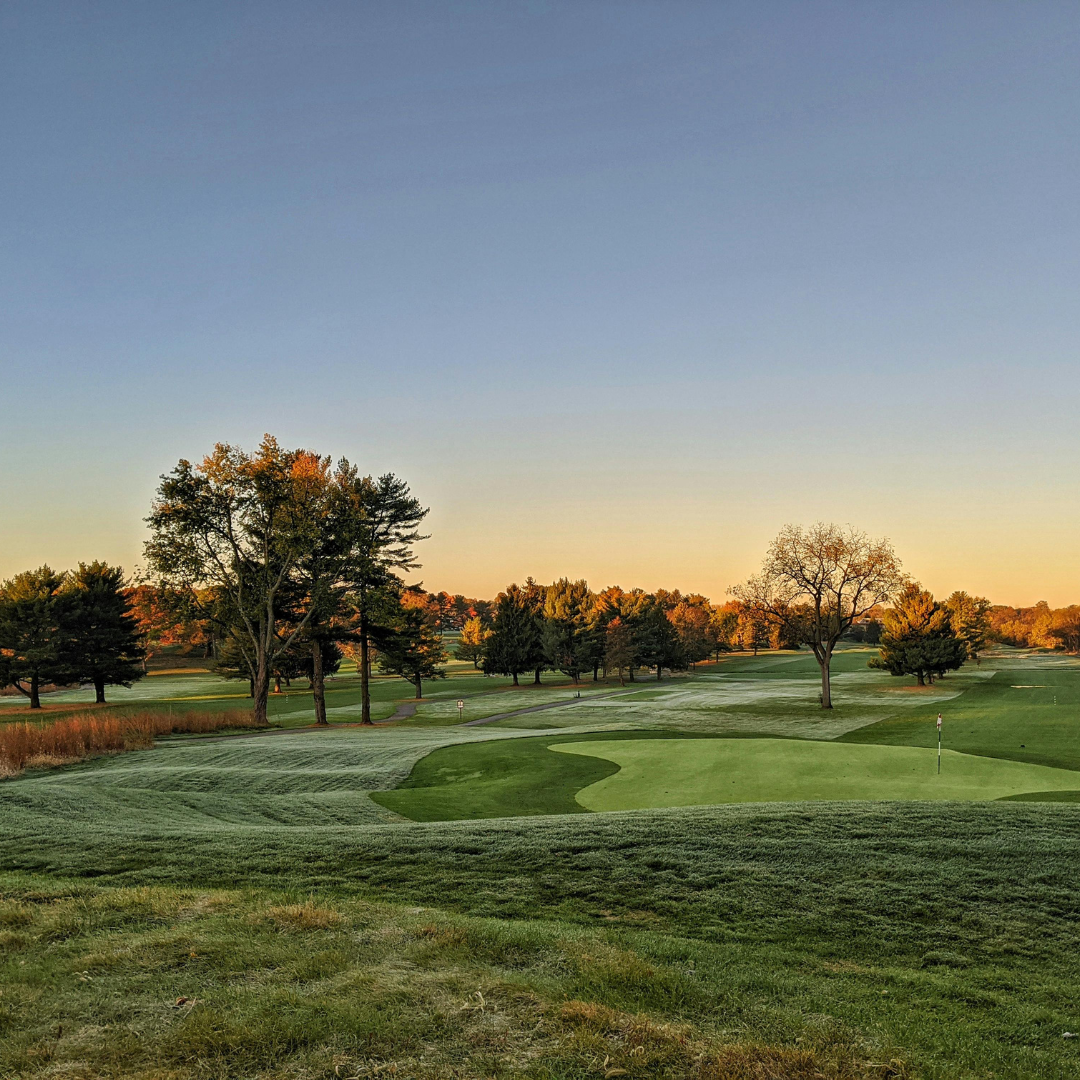
The yips aren't a technique problem. They're a nervous system freeze response.
Sports psychologists teach skills: visualization, self-talk, pre-performance routines, breathing exercises.
And they work, until your nervous system is hijacked.
When you're in fight-or-flight, your prefrontal cortex (the part that executes skills) goes offline. Your body prioritizes survival over performance. Logic can't override that.
This is why:
You nail it in practice but crumble in competition
Breathing exercises stop working when it matters
Positive self-talk feels like lying to yourself
Visualization doesn't prevent the shakes
You're not mentally weak. Your nervous system is doing exactly what it evolved to do: protect you from perceived threat.
The problem? It's protecting you from a golf tournament. Not a lion.
The Pinehurst Connection: Golf and the Yips
Pinehurst isn't just home to world-class golf. It's where elite athletes come to test themselves, and where many first notice their body won't cooperate under pressure.
The yips are a perfect example of nervous system dysregulation. That involuntary jerk, the frozen swing, the complete loss of a skill you've mastered? That's not technique failure. It's your body locking up in freeze response.
It's also seen in:
Equestrians (Moore County has a thriving equestrian community) who overthink their ride
Runners who panic during races
Former pros navigating retirement identity crisis
Sports psychology can help you understand the yips. But if it's a nervous system issue, you need nervous system work.
It's Not Just About Performance
Performance anxiety doesn't stay in competition. It shows up as:
Burnout: Training becomes compulsive. Rest feels like weakness. You're exhausted but can't stop.
Identity Crisis: When injury or retirement hits, you lose yourself. "If I'm not competing, who am I?"
Overthinking: Every mistake replays on loop. Every loss feels personal. You can't shut it off.
Pressure from Everyone: Coaches. Parents. Scouts. Sponsors. Fans. Everyone is watching. You can't afford to fail.
26% of former professional athletes report depression and anxiety after retirement. That's not because they're ungrateful or weak. It's because their identity was fused with their sport, and their nervous system never learned to downshift.
What Works Instead
Addressing performance anxiety requires working with your body, not just your mind.
1. Nervous System Regulation. Teaching your body that pressure isn't danger. This isn't "just breathe", it's repatterning your autonomic responses through somatic work, polyvagal-informed therapy, and body-based interventions.
2. Identity Beyond Performance. If your entire sense of self is tied to winning, losing feels like dying. You need to rebuild who you are outside of results.
3. Trauma-Informed Work. Past injuries, abusive coaching, public failures, these live in your body. Processing them stops them from running the show.
4. Therapy Intensives. Weekly sessions help. But when you're this deep in the pattern, you need concentrated work. Multi-hour therapy intensives create the space for actual rewiring, not just talking about it.

Nervous system regulation: Not coping skills. Actual rewiring.
If This Is You
You've probably tried:
Sports psychology (helped some, but didn't stick)
Mental performance coaching (worked until it didn't)
Weekly therapy (too slow, too scattered)
"Just relax" advice (infuriating and useless)
None of those address the root: a dysregulated nervous system.
In Pinehurst and the surrounding Moore County area, you have access to world-class athletic training. But nervous system work? That's harder to find.
Therapy intensives for athletes aren't about "fixing" you. You're not broken. Your body learned to protect you in a way that's now getting in the way.
This is about teaching it something new.
What You'll Get
After nervous system-focused work:
Your body will know how to downshift under pressure
Competition won't feel like survival
You'll understand what's been driving the choking/anxiety
You'll start rebuilding identity beyond results
You'll have a plan for integration (so it actually sticks)
Not coping. Rewiring.
Next Steps for Athletes in Pinehurst and Moore County
If you're a golfer, equestrian, runner, or former athlete dealing with performance anxiety, burnout, or identity crisis, let's talk.
Schedule a consultation to see if therapy intensives are right for you. This isn't about spending years processing. It's about concentrated work that addresses what sports psychology couldn't.
You don't have to keep choking when it matters most.

Therapy Intensives for Entrepreneurs & High-Performing Athletes | NC, SC, PA
About Zen with Zur, PLLC: Mariah J. Zur, LCMHC provides therapy intensives for high-performing athletes and entrepreneurs in North Carolina. Specializing in performance anxiety, burnout, and identity work for those who don't do traditional therapy. Located in Pinehurst and Raleigh, serving Moore County and beyond. [Learn more →]
