Why Do I Stay in Toxic Relationships? (Read This Before You Text Them Back)

Do you ever stare at your phone, thumb hovering over the screen, about to text them back—again—even though your gut is screaming
Yep. Been there.
You’re successful, smart, and emotionally aware. But when it comes to them? You feel stuck, drained, and honestly, a little ashamed.
Let’s get honest about why you keep staying—even when they treat you like crap. No fluff. No shame. Just clarity, compassion, and the tools to help you break free.
What Really Keeps You Stuck?
1. Trauma Bonding Is Real
Toxic relationships often follow a cycle: love bombing → control → withdrawal → just enough affection to keep you hanging on. That pattern creates a trauma bond—an intense emotional attachment that mimics addiction.
Example: They ignore you all weekend, then show up on Monday as if nothing happened, saying, "I miss you." That sudden rush of attention? That’s the hook—and it’s why letting go of a toxic relationship can be difficult.
2. You're Emotionally Exhausted
When you’re constantly walking on eggshells, your nervous system never gets a break. Emotional exhaustion leaves you foggy, causes you to overthink everything, and makes you feel paralyzed.
For example, you mentally rehearse texts, analyze their tone, and censor yourself to avoid a conflict. It’s not just burnout—it’s what occurs when toxic relationships erode your sense of self.
This kind of fatigue makes it feel overwhelming to let go of toxic people. You’re not lazy—you’re dysregulated and running on empty.
3. Your Inner Child is Still Searching for Safety
If you grew up in chaos or had to earn love as a kid, a loving toxic relationship might feel familiar. That’s not a coincidence—it’s repetition.
Your inner child—the part of you that learned love = pain—may still be running the show. And until you meet her with compassion, she’ll keep chasing that unavailable love.
This is why healing inner childhood wounds is a game-changer. When you start healing your inner self, you stop needing validation from people who can’t give it.
Example: You keep thinking, "If I’m just good enough, they'll stay." That’s not the adult you—that’s a little girl trying to feel safe.
Letting go of toxic relationships often means healing childhood wounds first.
4. You're Holding Onto Hope (And That’s Not Your Fault)
You remember the good times, the inside jokes, the "I love you"s, and deep down, you hope the person you fell for will show up again.
But here’s the thing: What version of them do you miss? That was the bait. Letting go of toxic relationships starts with accepting that their best moments don’t erase the harm.
5. You Don’t Trust Yourself Anymore
Gaslighting, blame-shifting, and subtle manipulation have a way of making you question your reality. Over time, you stop trusting your gut and wonder, "Maybe it's me."
Spoiler: It’s not.
Regaining self-trust is part of healing the inner self. Learning how to let go of a toxic relationship requires reconnecting with your inner truth—and believing you’re allowed to walk away.
How to Break the Cycle (Even If You’re Not Ready to Leave Yet)
1. Call It What It Is
Say it out loud: This is a toxic, unhealthy relationship. Naming it breaks the denial. It’s the first step to letting toxic people go without guilt.
2. Regulate Before You React
Before making big moves, focus on nervous system regulation. Breathwork. Journaling. Talking to someone safe. You can’t heal in survival mode.Let go of toxic when your body feels calm enough to choose yourself.
3. Start Healing (Right Now)
Healing your inner childhood wounds doesn’t need to be complicated. You can start with 10 minutes a day. Think: morning journaling, mirror work, or nervous system resets.If you’ve been Googling "how to heal inner childhood trauma," you’re not alone. This blog breaks down simple ways to start healing.
4. Download the Good Girl Detox
Over-giving? People-pleasing? Constantly second-guessing yourself? The Good Girl Detox Guide was made for you. It’s your first step toward cutting off toxic dynamics and reclaiming your energy. [Download it here]
5. Book a $97 Intro Call
Not ready for weekly therapy? No pressure. Book a low-commitment intro call. You’ll walk away with clarity and a plan—and yes, it counts toward future sessions or trauma intensives. [Book now]
Common Questions
Why can't I leave my toxic partner?
Because your body is wired for survival. Trauma bonds, low self-esteem, and fear of being alone can make leaving feel unsafe—even when it’s necessary.
Is it normal to feel attached to someone who hurts me?
Yes. Emotional abuse creates cycles of pain and reward that can feel addictive. It’s not love—it’s a trauma bond.
How does low self-esteem affect my relationship choices?
When you believe you’re not enough, you accept less than you deserve. You might chase validation instead of connection.
Can therapy help me break free from a toxic relationship?
Absolutely. Therapy helps you rebuild self-trust, spot patterns, and make empowered choices—even if you’re not ready to leave yet.
What are the signs of trauma bonding?
Extreme highs and lows, obsessive thoughts, craving their approval, and justifying harmful behavior are all signs you’re trauma bonded.
Let’s Talk Numbers (Because Facts Matter)
“About 1 in 3 adults in the U.S. have experienced physical violence from a partner.” (Nutrition and Therapy)
“Fear of being alone and low self-worth are common reasons people stay in toxic relationships.” (Psychology Today)
“Financial dependence is a frequent barrier to leaving unhealthy dynamics.” (John Kenny Coaching)
You Don’t Need More Shame. You Need a Way Out.
You are not broken. You’re just stuck in a cycle you didn’t choose.And you don’t have to stay in it.Even if you’re not ready to walk away yet, you can start choosing yourself now. Start healing. Rebuild self-trust. Let go of toxic.Download the Good Girl Detox. Book your intro call. You don’t have to do this alone.
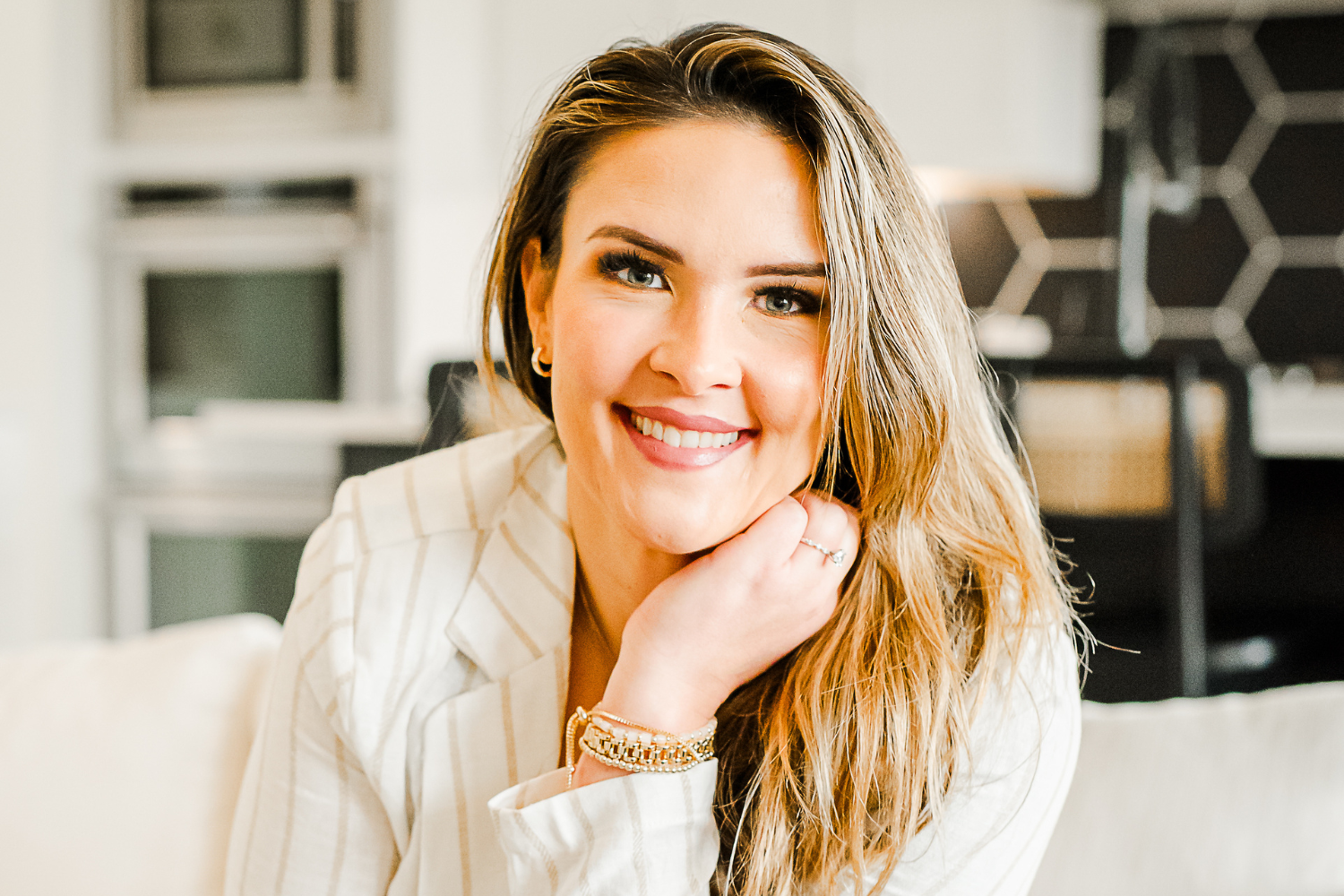
I offer focused therapy intensives for adults who are still functioning but feel worn down by constant pressure, anxiety, or patterns that no longer work. This work is designed for people who want depth, clarity, and relief without labels or long-term weekly therapy. If you’re in North Carolina, South Carolina, or Pennsylvania and curious whether an intensive format could be supportive, you’re welcome to learn more.
Join me on Instagram, Pinterest and TikTok for more educational tips, trauma recovery insights, and updates on therapy intensives in Pennsylvania, North Carolina, and South Carolina.
Disclaimer
The content shared here is for educational and informational purposes only. It is not a substitute for psychotherapy, medical care, or individualized mental health treatment. Reading this blog or engaging with my content does not establish a therapeutic relationship.
If you are experiencing significant distress or feel you need personalized support, I encourage you to seek care from a licensed mental health professional in your state. Therapy is deeply personal, and the right support should be tailored to your specific needs, pace, and circumstances.
For adults located in North Carolina, South Carolina, or Pennsylvania who are seeking focused, confidential support, I offer customized therapy intensives designed to address chronic stress, internal pressure, and patterns that no longer work. Information about these services can be found throughout this site.
About the Author
Mariah Zur, LPC is a licensed therapist who works with high-achieving adults navigating chronic stress, internal pressure, and the quiet unraveling that can happen beneath outward success. Her work is especially suited for individuals who are highly functional, deeply self-aware, and exhausted from holding everything together.
Mariah offers therapy intensives for adults seeking focused, contained support without labels, long-term weekly therapy, or unnecessary exposure. Her approach is grounded, relational, and nervous-system informed, helping clients slow the internal spiral, regain a sense of control, and move forward with clarity and steadiness.
She provides intensive therapy services online across North Carolina, South Carolina, and Pennsylvania, with in-person options available in Raleigh, NC.
Credentials
Mariah J. Zur, MS, LPC
Licensed Professional Counselor
Doctoral Student, Counselor Education and Supervision
