7 Everyday Signs of Generational Trauma (That High-Achievers Miss)
This Is Just Who I Am…Right?
You tell yourself, I’ve always been this way.
The one who never rests.
The one who takes care of everyone else.
The one who feels guilty for slowing down.
But here’s the truth: that might not be “just who you are.”
Many of my clients, brilliant, high-achieving women in their 30s, come to me thinking their exhaustion, guilt, and constant over functioning are personality flaws. But what they’re actually carrying is generational trauma.
It doesn’t always look dramatic. Most of the time, it shows up in subtle, everyday ways that we normalize. Let’s name them.
1. You Overfunction at Work and Home
If you don’t do it, who will?
You’re the dependable one. The strong one. The one who holds it all together.
Overfunctioning is a survival strategy passed down in families where chaos, neglect, or emotional immaturity ruled the home. Hyper-responsibility feels safer than risking failure or rejection.
2. Rest Feels Like Laziness
Even when you collapse on the couch, your brain whispers: You should be doing more.
Generational trauma often hands down unspoken rules like:
“Rest is weakness.”
“You’re only lovable when you’re productive.”
Rest isn’t lazy. It’s resistance to inherited exhaustion.
3. You Carry Everyone Else’s Emotions
You feel responsible for the moods of your partner, boss, or family. You scan for danger, tension, or disappointment before it happens.
This hyper-attunement usually starts in childhood when tuning into a parent’s mood was necessary for safety. As adults, it looks like people-pleasing and never feeling like enough.
4. Explosive Anger or Silent Shutdown
Maybe you explode after holding it in too long. Or maybe you go silent, disappearing into emotional shutdown.
These patterns often repeat what you grew up with: parents who yelled and then acted like nothing happened, or parents who stonewalled for days.
5. Money Is a Source of Secrecy or Fear
For some, money = survival. For others, it = shame.
If you grew up in a family with financial instability, secrecy, or control around money, you may find yourself repeating the same patterns—overspending, under-saving, avoiding money talks, or hiding your financial reality.
6. You’re Always “The Strong One”
Your siblings leaned on you. Your parents confided in you. As an adult, your friends and partner expect the same.
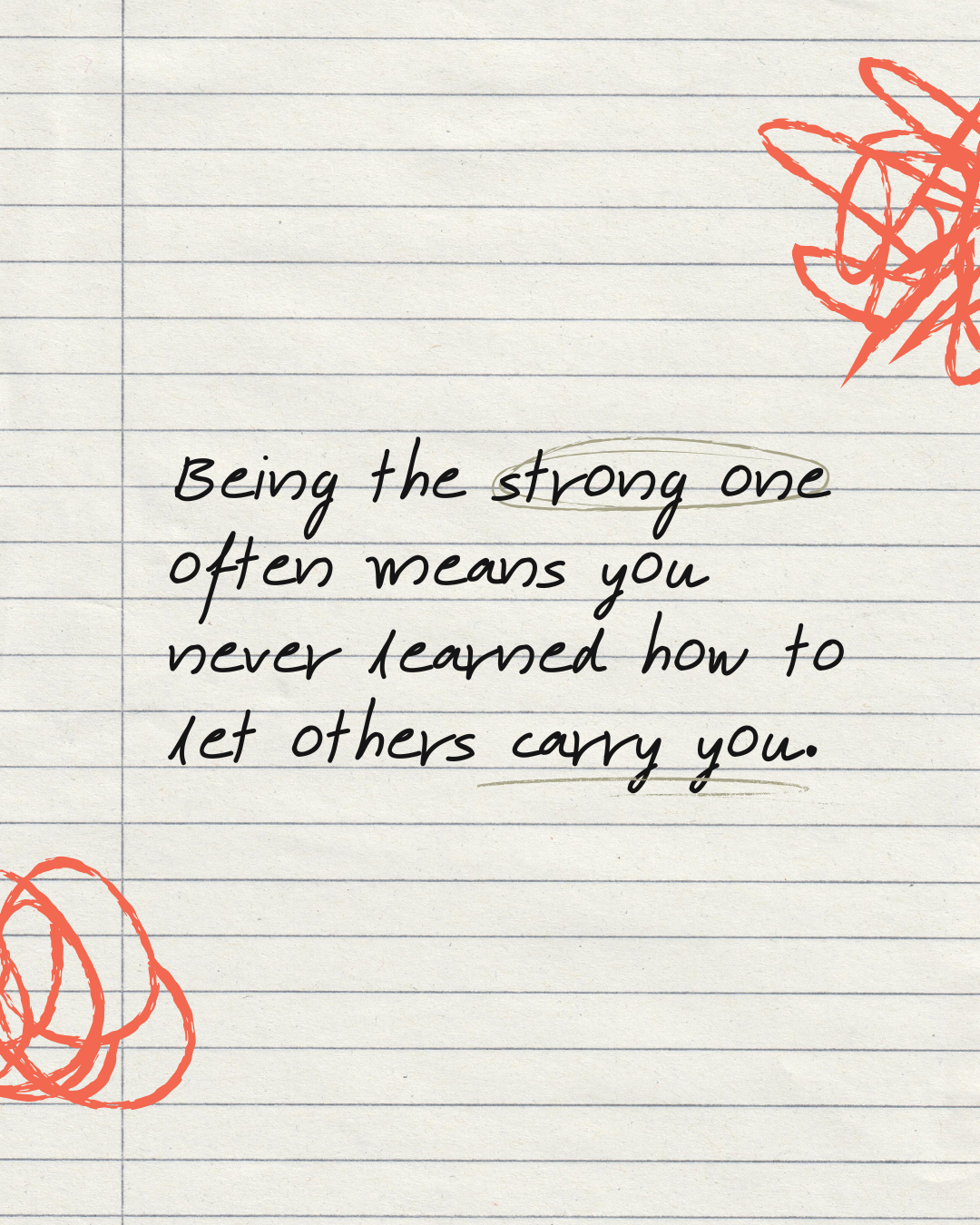
But here’s the painful truth: being the strong one often means you never learned how to let others carry you. It’s generational parentification in disguise.
7. Joy Feels Unsafe
You laugh, relax, or feel light for a moment—and then your body tenses. Something bad is going to happen.
Generational trauma wires us to expect disaster after joy. Families that lived through war, addiction, or abuse passed down the belief: “Don’t get too comfortable. Good things don’t last.”
Why This Matters
Research shows that 64% of U.S. adults report at least one adverse childhood experience (ACE), and 17% report four or more. Those patterns don’t just shape one life, they ripple across generations.
But here’s the hope: once you see it, you can stop it. Naming these signs is the first crack in the cycle.
Personal Perspective
When I was in my 30s, I thought I was just “built this way.” Strong, capable, always on. But secretly, I was exhausted and resentful.
It wasn’t until therapy helped me name functional freeze and generational trauma that I realized—I wasn’t broken. I was carrying survival strategies that were never mine to begin with.
That shift changed everything. Now, I teach other women how to see these inherited patterns for what they are: protectors, not personality.
What to Do If You See Yourself Here
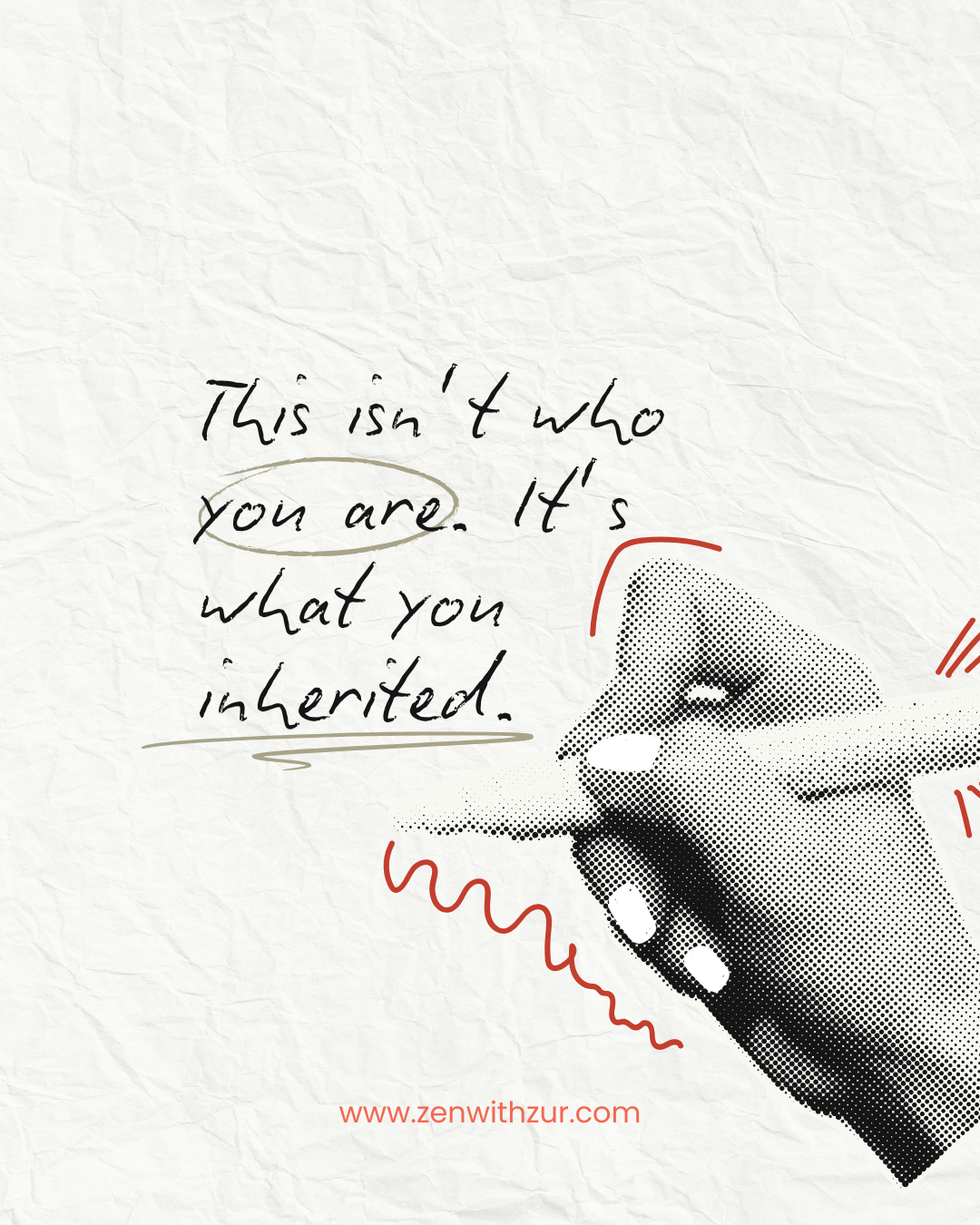
Notice one pattern (like overfunctioning). Say out loud: “This isn’t my flaw. It’s my inheritance.”
Try a micro-somatic reset when guilt for resting shows up (like humming or wall push).
Write a boundary script to practice saying no without overexplaining.
Healing isn’t about erasing your past. It’s about updating your nervous system so the past doesn’t run your present.
FAQs About Generational Trauma Signs
What are everyday signs of generational trauma?
Everyday signs include overfunctioning, guilt for resting, people-pleasing, emotional shutdown, money fear, always being “the strong one,” and struggling to enjoy joy
How do I know if it’s generational trauma or just stress?
If the patterns feel familiar, automatic, or inherited—like they were passed down from family history—it’s likely generational trauma, not just stress.
Can high-achievers have generational trauma?
Yes. Many high-achievers are driven by survival patterns like perfectionism and hyper-responsibility, rooted in inherited trauma.
How do you break these patterns?
Start with awareness, add somatic tools, practice boundaries, and seek support from a trauma-informed therapist (IFS or somatic therapy are especially effective).
Is generational trauma real?
Yes. Research on ACEs and epigenetics shows trauma impacts both family behavior and even stress responses across generations.
Ready to get started?
If you saw yourself in these signs, you’re not “too much” or “too broken.” You’re carrying patterns that kept your family alive but you don’t have to live by them anymore.
If you’re struggling to move forward from a toxic relationship, let’s work together. I offer online trauma therapy and intensives across Pittsburgh, Harrisburg, Erie, Philadelphia, and all of Pennsylvania.

I offer focused therapy intensives for adults who are still functioning but feel worn down by constant pressure, anxiety, or patterns that no longer work. This work is designed for people who want depth, clarity, and relief without labels or long-term weekly therapy. If you’re in North Carolina, South Carolina, or Pennsylvania and curious whether an intensive format could be supportive, you’re welcome to learn more.
Join me on Instagram, Pinterest and TikTok for more educational tips, trauma recovery insights, and updates on therapy intensives in Pennsylvania, North Carolina, and South Carolina.
Disclaimer
The content shared here is for educational and informational purposes only. It is not a substitute for psychotherapy, medical care, or individualized mental health treatment. Reading this blog or engaging with my content does not establish a therapeutic relationship.
If you are experiencing significant distress or feel you need personalized support, I encourage you to seek care from a licensed mental health professional in your state. Therapy is deeply personal, and the right support should be tailored to your specific needs, pace, and circumstances.
For adults located in North Carolina, South Carolina, or Pennsylvania who are seeking focused, confidential support, I offer customized therapy intensives designed to address chronic stress, internal pressure, and patterns that no longer work. Information about these services can be found throughout this site.
About the Author
Mariah Zur, LPC is a licensed therapist who works with high-achieving adults navigating chronic stress, internal pressure, and the quiet unraveling that can happen beneath outward success. Her work is especially suited for individuals who are highly functional, deeply self-aware, and exhausted from holding everything together.
Mariah offers therapy intensives for adults seeking focused, contained support without labels, long-term weekly therapy, or unnecessary exposure. Her approach is grounded, relational, and nervous-system informed, helping clients slow the internal spiral, regain a sense of control, and move forward with clarity and steadiness.
She provides intensive therapy services online across North Carolina, South Carolina, and Pennsylvania, with in-person options available in Raleigh, NC.
Credentials
Mariah J. Zur, MS, LPC
Licensed Professional Counselor
Doctoral Student, Counselor Education and Supervision
