Feeling Stuck After the Holidays? 5 Signs of Post-Holiday Blues and How a Trauma Therapist in Pittsburgh, PA Can Help
The holidays are over, and the lights, excitement, and endless to-do lists are behind you. But instead of feeling refreshed, you’re stuck in a fog. If you’ve been battling low energy, anxiety, or a sense of “blah,” you’re not alone. This emotional slump, commonly called the post-holiday blues, is surprisingly common.
For some, these feelings are temporary. For others, especially in places like Pennsylvania with long winters, it could be tied to something deeper, like Seasonal Affective Disorder (SAD). Let’s explore the signs, why this happens, and practical ways to feel like yourself again.
How Trauma Therapy in Pittsburgh Can Help Combat Post-Holiday Blues: What Are the Post-Holiday Blues?
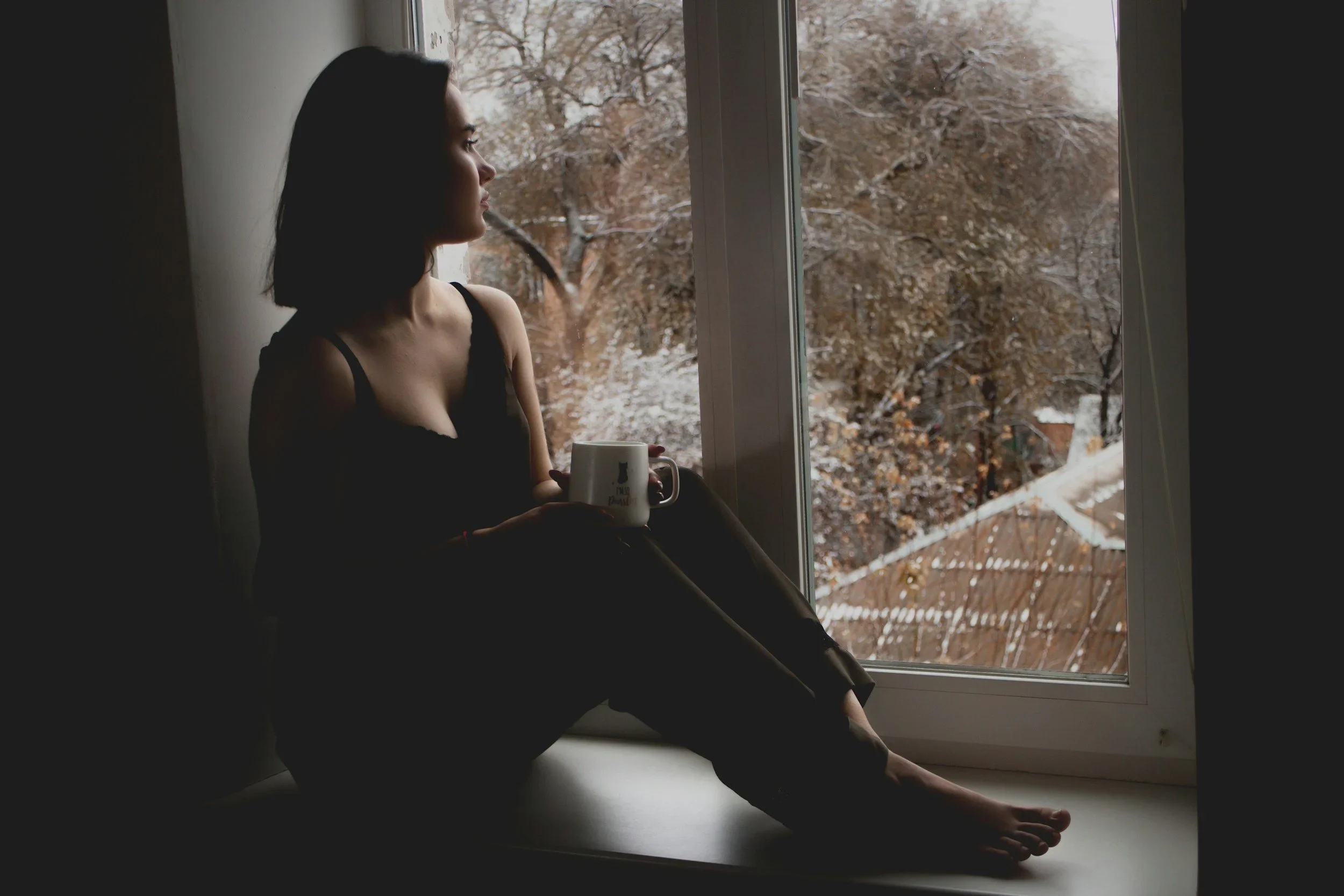
The post-holiday blues are a temporary emotional low that hits after the excitement of the holiday season fades. Unlike clinical depression, these feelings are often short-lived and tied to the emotional and physical toll of the holidays.
In regions like Pennsylvania, the overlap with SAD, caused by shorter days and reduced sunlight, makes this time even harder for some people.
Did you know that approximately 24% of individuals with diagnosed mental illnesses report that the holidays make their condition "a lot" worse? (American Counselors Association) And in Pennsylvania specifically, nearly 2 million adults experience mental health challenges annually (HAP Online). These numbers show just how widespread this issue can be.
5 Signs You Might Have Post-Holiday Blues
You Feel Drained, Even After Rest
Despite catching up on sleep, you wake up feeling sluggish and unmotivated.
You Overthink Social Interactions
Maybe you’re replaying conversations from family gatherings, wondering if you said something wrong.
Your Body Feels ‘Off’
Tension headaches, digestive discomfort, or lingering fatigue could all signal stress catching up with you.
You’re Snapping at Loved Ones
Small irritations feel like big problems, leading to arguments or frustration.
You Feel Stuck or Unmotivated
Setting new goals feels overwhelming when your energy is low, making January feel like a slow crawl.
Is It Seasonal Affective Disorder (SAD)?
While the post-holiday blues are temporary, Seasonal Affective Disorder is a clinical condition triggered by reduced sunlight and shorter days. In Pennsylvania, the long winters can intensify these symptoms.
Key Overlaps:
Fatigue and low energy
Difficulty concentrating
Mood swings or irritability
What’s Different About SAD?
Symptoms persist for months, not weeks.
Treatments like light therapy or vitamin D supplements can make a noticeable impact.
If you suspect your post-holiday blues are tied to SAD, seeking professional help can make a difference. According to the American Psychiatric Association, January and February are the toughest months for individuals with SAD. (APA)
Answering Your Most Common Questions
1. What Are the Common Signs of Post-Holiday Depression?
Feeling tired, unmotivated, and socially drained are common. You might also notice mood swings or physical discomfort like headaches.
2. How Long Do Post-Holiday Blues Typically Last?
Most people feel better within a few weeks as they return to their routines. If your symptoms persist beyond a month, consider exploring deeper causes like SAD.
3. Are Post-Holiday Blues the Same as SAD?
Not exactly. While they share symptoms, SAD is a more persistent condition tied to a lack of sunlight, requiring specific treatments.
4. What Self-Care Strategies Can Help Alleviate Post-Holiday Depression?
Get outside during daylight hours.
Start with small routines, like morning stretches or meal prepping.
Journal your thoughts to process lingering emotions.
5. When Should Someone Seek Professional Help for Post-Holiday Depression?
If feelings of sadness or fatigue are interfering with your daily life—or if they last more than a month—it’s time to reach out to a therapist.
Looking for therapy options in Pennsylvania? Visit here to learn how I can help.
What the Research Says About Seasonal Affect Disorder
A recent article from Glamour dropped a truth bomb about Seasonal Affective Disorder (SAD): approximately 10 million people in the U.S. struggle with this condition, especially during the fall and winter months when sunlight is scarce.
And here’s the kicker: strategies like consistent vitamin D intake, getting outside during daylight hours, and maintaining a healthy diet aren’t just feel-good advice, they’re backed by science as effective ways to manage symptoms.
Why does this work? Because SAD thrives on patterns of isolation, inactivity, and lack of light. When you intentionally disrupt those patterns, whether through movement, light therapy, or even small goals, you’re taking control of your emotional and physical well-being. It’s not about a total life overhaul; it’s about momentum.
Small steps create big shifts, especially in states like Pennsylvania where the winters can feel endlessly gray.
Rural Mental Health Access in Pennsylvania
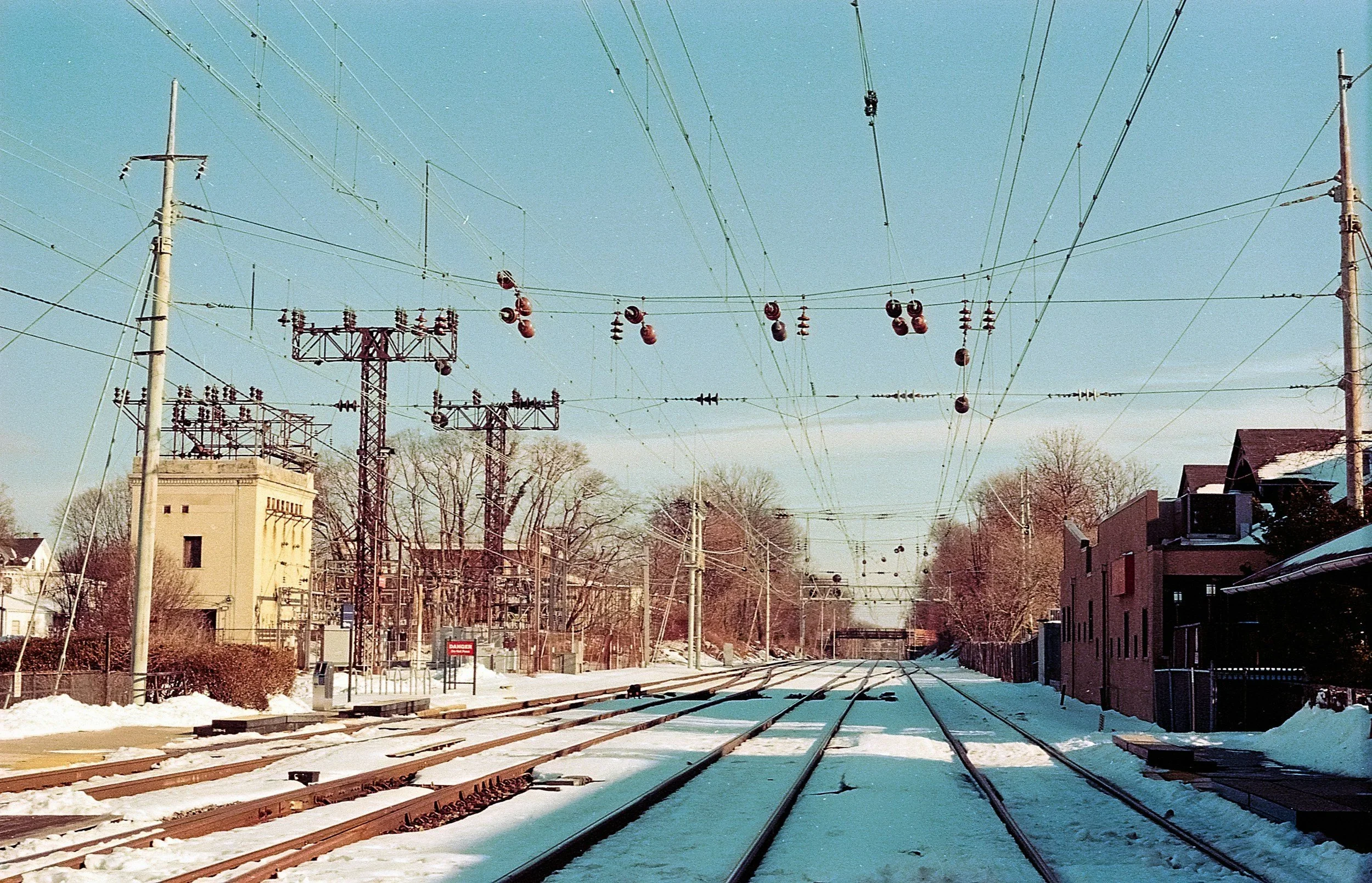
Many rural Pennsylvanians face limited access to mental health care, with long wait times or few local providers.
Solutions for Better Access:
Telehealth Options: Virtual therapy sessions offer flexibility and convenience.
Community Resources: Nonprofits and local centers often provide affordable or free mental health support.
If you’re in a rural area, teletherapy is an excellent way to get the help you need without long commutes.
How to Reclaim Your Peace
Start Small With Self-Care
Take baby steps, whether that’s drinking more water, stretching in the morning, or journaling before bed.Reset Your Routine
Focus on one area at a time, like going to bed 30 minutes earlier or meal prepping for the week.Practice Gentle Boundaries
If social invites feel overwhelming, it’s okay to decline. Protect your energy and prioritize your needs.Talk to a Therapist
Therapy provides tools to help you break free from emotional ruts.
So, now what?
Post-holiday blues might be common, but you don’t have to navigate them alone. Whether it’s setting gentle boundaries, practicing self-care, or seeking professional support, small steps can make a big difference.
Ready to feel better?
Schedule a free consultation with me today. Together, we can work toward reclaiming your peace and joy this winter.
I offer focused therapy intensives for adults who are still functioning but feel worn down by constant pressure, anxiety, or patterns that no longer work. This work is designed for people who want depth, clarity, and relief without labels or long-term weekly therapy. If you’re in North Carolina, South Carolina, or Pennsylvania and curious whether an intensive format could be supportive, you’re welcome to learn more.
Join me on Instagram, Pinterest and TikTok for more educational tips, trauma recovery insights, and updates on therapy intensives in Pennsylvania, North Carolina, and South Carolina.
Disclaimer
The content shared here is for educational and informational purposes only. It is not a substitute for psychotherapy, medical care, or individualized mental health treatment. Reading this blog or engaging with my content does not establish a therapeutic relationship.
If you are experiencing significant distress or feel you need personalized support, I encourage you to seek care from a licensed mental health professional in your state. Therapy is deeply personal, and the right support should be tailored to your specific needs, pace, and circumstances.
For adults located in North Carolina, South Carolina, or Pennsylvania who are seeking focused, confidential support, I offer customized therapy intensives designed to address chronic stress, internal pressure, and patterns that no longer work. Information about these services can be found throughout this site.
About the Author
Mariah Zur, LPC is a licensed therapist who works with high-achieving adults navigating chronic stress, internal pressure, and the quiet unraveling that can happen beneath outward success. Her work is especially suited for individuals who are highly functional, deeply self-aware, and exhausted from holding everything together.
Mariah offers therapy intensives for adults seeking focused, contained support without labels, long-term weekly therapy, or unnecessary exposure. Her approach is grounded, relational, and nervous-system informed, helping clients slow the internal spiral, regain a sense of control, and move forward with clarity and steadiness.
She provides intensive therapy services online across North Carolina, South Carolina, and Pennsylvania, with in-person options available in Raleigh, NC.
Credentials
Mariah J. Zur, MS, LPC
Licensed Professional Counselor
Doctoral Student, Counselor Education and Supervision
Citation: Glamour. (n.d.). Seasonal affective disorder: Science-backed tips to feel better. Retrieved January 17, 2025, from https://www.glamour.com/story/seasonal-affective-disorder-science-backed-tips
Citation: New York Post. (2025, January 2). Psychologists’ 6 tips for battling seasonal affective disorder. Retrieved January 17, 2025, from https://nypost.com/2025/01/02/health/psychologists-6-tips-for-battling-seasonal-affective-disorder/
