Perfectionism and Anxiety: How to Break the Cycle With Therapy
Perfectionism loves to masquerade as “high standards” or “just wanting to do your best.” But if we’re being honest, it usually feels more like carrying a boulder uphill while smiling so no one notices you’re exhausted.
Striving to “be perfect” often feels like the only way to keep up, especially for high-achieving women, grad students, entrepreneurs, and anyone who grew up believing mistakes are dangerous. But instead of creating success, perfectionism quietly fuels anxiety, burnout, procrastination, and constant self-doubt.
If you’ve ever thought, “I can’t relax until everything is done… and it’s never done,” this one’s for you.

How Perfectionism and Anxiety Are Connected
Perfectionism and anxiety are like two parts of the same nervous system story, they reinforce each other until you’re stuck in a loop that feels impossible to escape.
Perfectionism sets the trap:
Unrealistic expectations
Fear of failure
Constant self-criticism
The belief that you must earn rest or worthiness
Anxiety tightens the trap:
“What if I mess this up?”
“If I try harder, maybe I’ll finally feel calm.”
“If I stay in control, nothing bad will happen.”
It becomes a cycle:
You aim higher → you feel more pressure → anxiety spikes → you raise the bar again → and your nervous system never gets a break.
This isn’t discipline. This is survival mode wearing a productivity mask.
The Hidden Costs of Perfectionism
Perfectionism doesn’t ask nicely, it takes.

The impact on YOU
Constant self-doubt
Imposter syndrome
Burnout disguised as “pushing through”
Struggling to celebrate anything because it “could’ve been better”
The impact on RELATIONSHIPS
Feeling responsible for everyone’s emotions
People-pleasing to avoid conflict
Withholding needs because you “should handle it”
Resenting how much you carry
The impact on LIFE SATISFACTION
Perfectionism narrows your world.
You become so busy trying to avoid mistakes that you stop actually living.
Joy gets postponed. Rest gets earned. Compassion gets rationed.
Underneath all of it is a younger part of you, one that learned long ago that being perfect was safer than being human.
How Therapy Helps Break the Cycle
Therapy gives you something perfectionism never has: permission to be human.
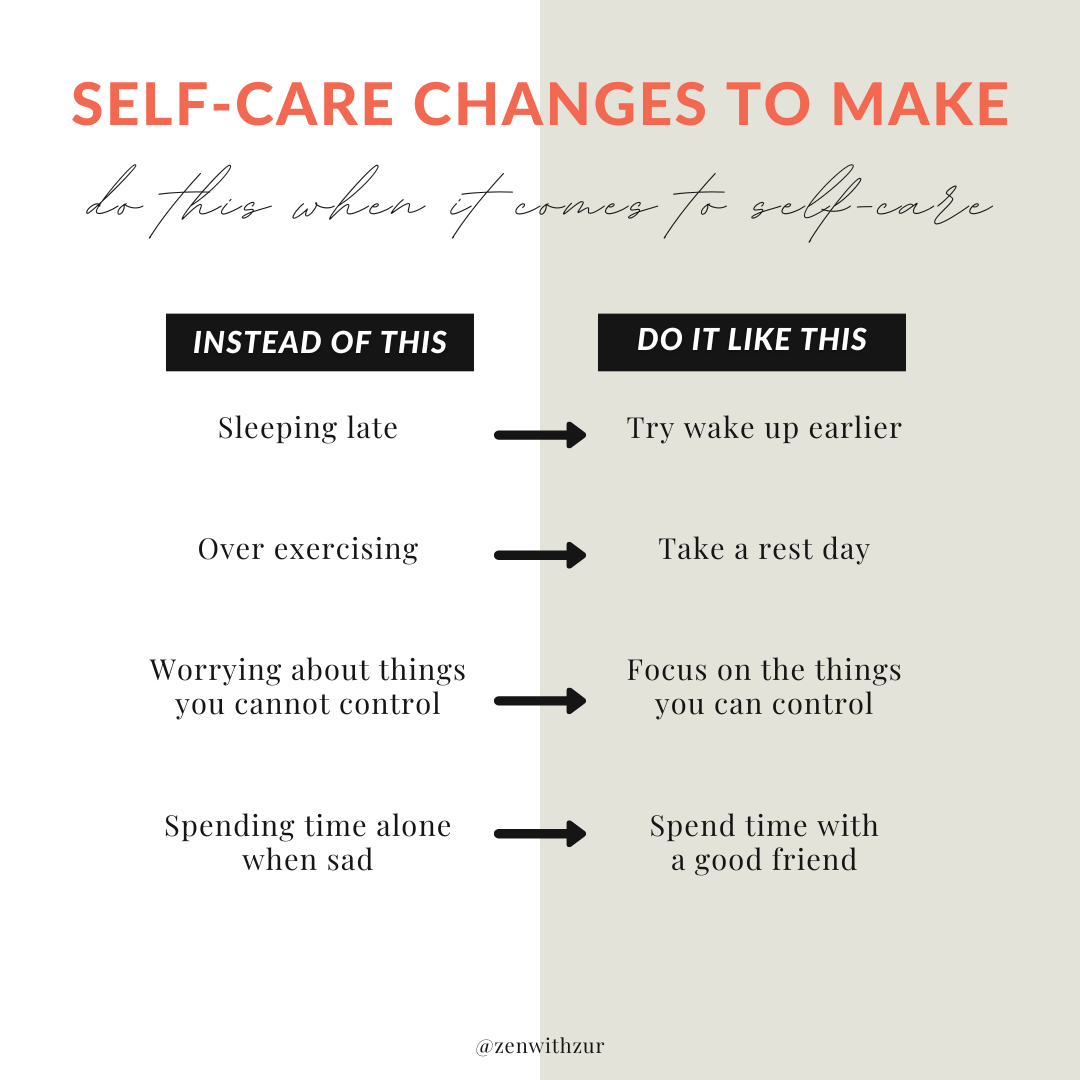
A trauma-informed, IFS-aligned, nervous-system-aware approach helps you:
1. Identify where perfectionism started
Often perfectionism is a protective strategy rooted in:
Childhood emotional neglect
Harsh criticism
Growing up in chaos
Feeling invisible, responsible, or “too much”
Cultural or family expectations
Therapy helps you meet the parts of you that learned perfection was the only way to stay safe, loved, or accepted.
2. Reduce the anxiety that keeps the cycle alive
Through IFS, somatic tools, and attachment-informed care, you learn to:
Regulate your nervous system
Respond instead of react
Soften the all-or-nothing thinking
Build internal safety instead of chasing external approval
3. Create a new way of being—one that isn’t built on fear
Imagine goals that feel exciting, not punishing.
Imagine rest that doesn’t come with guilt.
Imagine self-worth that doesn’t crumble when something isn’t perfect.
Therapy makes that possible. And it doesn’t take years, it takes willingness, support, and a therapist who knows how to get underneath the perfectionism instead of trying to talk you out of it.

Mariah J. Zur, LPC is a licensed therapist based in Raleigh, North Carolina, specializing in intensive therapy for high-achieving adults experiencing chronic stress, internal pressure, and high functioning anxiety. She works primarily with executives, entrepreneurs, physicians, attorneys, and founders who remain outwardly successful but feel worn down by constant overdrive.
Mariah’s work is especially suited for professionals navigating burnout, decision fatigue, and emotional disconnection despite insight and coping skills. She offers focused therapy intensives designed to create meaningful change without long-term weekly therapy or diagnostic labeling.
She provides intensive therapy services for adults across North Carolina, with in-person options available in Raleigh and the Research Triangle, and works with clients statewide through structured intensive formats.
Credentials:
Mariah J. Zur, MS, LPC
Licensed Professional Counselor
Doctoral Student, Counselor Education and Supervision
