The Mental Health Benefits of Practicing Gratitude
Gratitude gets talked about a lot this time of year, usually in the form of “just be thankful” or “write three good things in a journal.” But real gratitude? The kind that shifts your mental health?
It’s more than a list. It’s a mindset shift. A nervous-system reset. A gentle way of reminding yourself that even in overwhelming seasons, not everything is heavy.
When life feels stressful, uncertain, or emotionally loud, gratitude acts like an anchor. It brings you back into the present moment, softens anxiety, and helps your brain create more room for resilience.
And no, gratitude is not about ignoring your pain. It’s about widening the emotional lens so your difficulties aren’t the only thing in focus.

Why Gratitude Improves Mental Health
Your brain responds to what you repeatedly focus on. When you intentionally shift your attention toward what’s going well or what feels meaningful—even in small doses, you activate neural pathways tied to calm, motivation, connection, and emotional balance.
Gratitude supports mental health by:
Reducing stress hormones like cortisol
Activating the parasympathetic (calming) nervous system
Strengthening emotional resilience
Improving sleep and mood
Helping you shift out of all-or-nothing or catastrophic thinking
It’s not magical thinking. It’s neuroscience.
Gratitude literally trains your brain to look for safety instead of threat.
Simple Ways to Practice Gratitude Every Day
Gratitude doesn’t need to be dramatic or profound. It just needs to be consistent and honest. You’re not painting over your life with positivity, you’re grounding yourself in what’s steady, supportive, or simply okay.
Here are a few practices that actually stick:
1. Micro-Gratitude
Name one thing that felt good today. One.
Warm coffee. A quiet moment. A dog that thinks you’re a celebrity.
2. Gratitude Questions
Instead of “What am I grateful for?” ask:
What helped me get through today?
Who made my day easier?
What did my body do for me?
These questions pull gratitude into real life, not the Pinterest version.
3. Gratitude in Motion
Practice appreciation while walking, cooking, driving, or doing something simple. Your body remembers these grounded moments.
4. Gratitude Notes
A short text or journal line:
“Today I was grateful for…”
Tiny effort, big shift.
The goal is authenticity, not perfection.
Your gratitude practice should fit you. Not the other way around.
How Therapy Can Support a Gratitude Practice
Here’s the truth: gratitude is powerful but if you’re carrying trauma, burnout, anxiety, or chronic self-criticism, gratitude can also feel blocked.
Therapy helps you explore:
Why gratitude feels hard
What emotional parts believe about receiving goodness
How past experiences trained your nervous system to scan for danger instead of safety
How to create space for appreciation without bypassing the hard parts
In therapy, you learn how gratitude and healing work together, not as pressure, but as permission.
It’s less “be grateful” and more “your nervous system deserves a moment of softness.”
When Gratitude Feels Hard
Let’s normalize this:
Gratitude is not always available.
Not when your body is overwhelmed.
Not when life feels heavy.
Not when old wounds get activated.
If gratitude feels forced, fake, or out of reach, that’s not a failure. It’s information.
And the beautiful part?
A consistent gratitude practice, even if small, even if imperfect, can gently reshape your internal world over time. It creates long-term mindset shifts by building micro-moments of safety.
Gratitude isn’t about denying your pain.
It’s about letting in a little light so the pain doesn’t carry the entire story.
Gratitude FAQs
1. What are the mental health benefits of practicing gratitude?
Practicing gratitude helps the brain shift from survival mode into regulation. Studies show it reduces anxiety, improves mood, lowers stress hormones, and strengthens emotional resilience. Gratitude activates neural pathways linked to safety and connection, making it a powerful tool for people navigating overwhelm, burnout, or perfectionism. Many clients integrate gratitude into therapy as a grounding practice.
2. How can therapy help me build a consistent gratitude practice?
Therapy helps identify the emotional blocks that make gratitude difficult, such as trauma, chronic stress, people-pleasing, or self-criticism. A therapist guides you in developing nervous-system-safe practices, exploring limiting beliefs, and creating gratitude habits that feel authentic instead of forced. This makes gratitude sustainable and meaningful, not another item on your to-do list.
3. What is the connection between gratitude and anxiety reduction?
Gratitude reduces anxiety by redirecting the brain’s attention from perceived threat to moments of safety and support. This shift activates the parasympathetic nervous system, your body’s calming response and decreases rumination, overthinking, and emotional overwhelm. Even small gratitude practices can noticeably soften anxiety symptoms over time.
4. What are simple ways to practice gratitude every day?
You don’t need a long journal session to benefit from gratitude. Start with one small acknowledgment a day, something that felt comforting, supportive, or steady. You can use micro-gratitude moments, grounding questions, mindfulness-based gratitude, or expressing appreciation to others. The goal is consistency, not perfection.
5. Why does gratitude feel hard sometimes, and is that normal?
Yes, completely normal. Gratitude can feel impossible when your nervous system is overwhelmed, when old wounds get activated, or when you’re navigating stress, burnout, or depression. Gratitude isn’t about pretending things are fine. It’s a gentle way to expand your emotional bandwidth. Therapy can help uncover what’s blocking gratitude and build practices that feel safe and accessible.
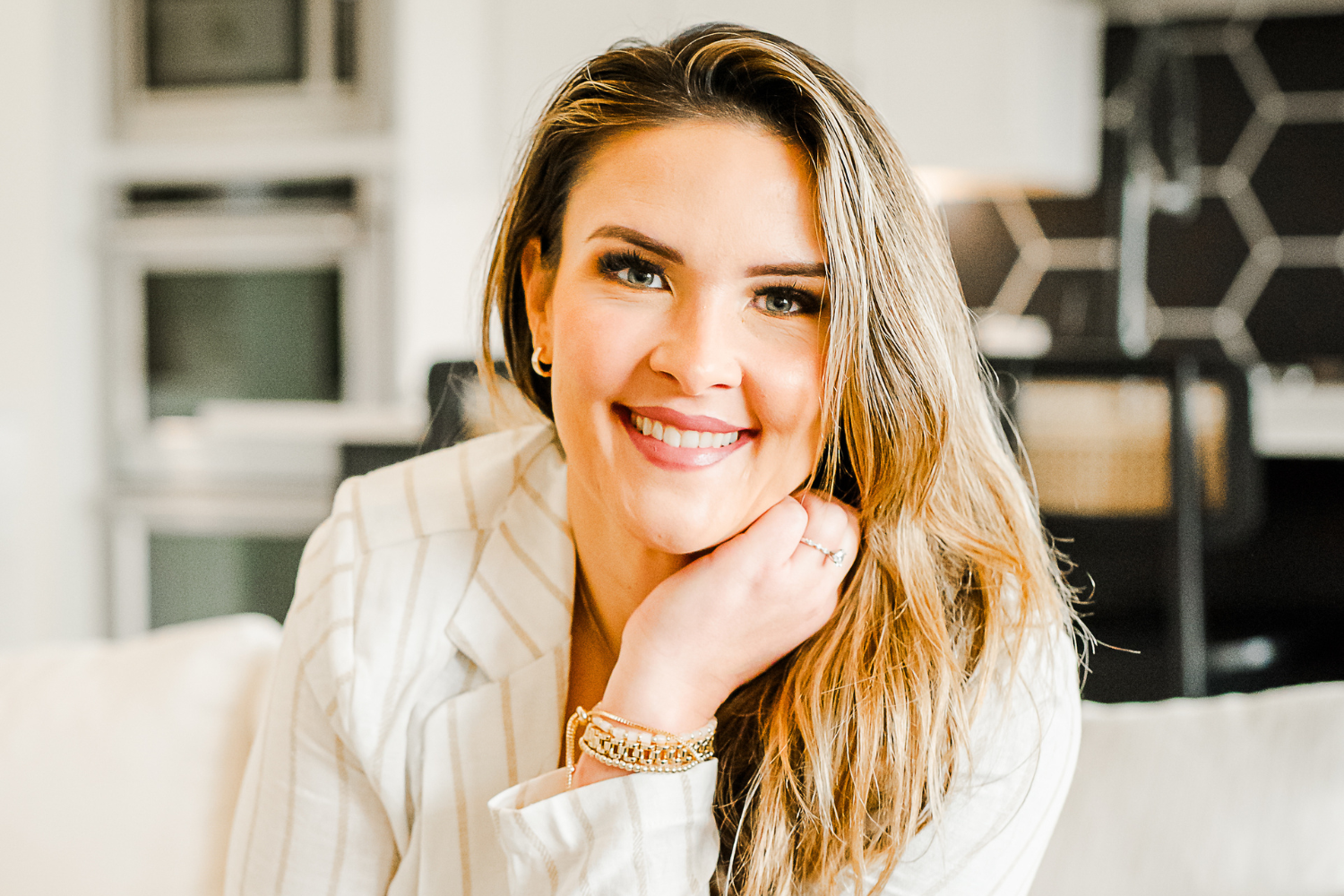
I offer focused therapy intensives for adults who are still functioning but feel worn down by constant pressure, anxiety, or patterns that no longer work. This work is designed for people who want depth, clarity, and relief without labels or long-term weekly therapy. If you’re in North Carolina, South Carolina, or Pennsylvania and curious whether an intensive format could be supportive, you’re welcome to learn more.
Join me on Instagram, Pinterest and TikTok for more educational tips, trauma recovery insights, and updates on therapy intensives in Pennsylvania, North Carolina, and South Carolina.
Disclaimer
The content shared here is for educational and informational purposes only. It is not a substitute for psychotherapy, medical care, or individualized mental health treatment. Reading this blog or engaging with my content does not establish a therapeutic relationship.
If you are experiencing significant distress or feel you need personalized support, I encourage you to seek care from a licensed mental health professional in your state. Therapy is deeply personal, and the right support should be tailored to your specific needs, pace, and circumstances.
For adults located in North Carolina, South Carolina, or Pennsylvania who are seeking focused, confidential support, I offer customized therapy intensives designed to address chronic stress, internal pressure, and patterns that no longer work. Information about these services can be found throughout this site.
About the Author
Mariah Zur, LPC is a licensed therapist who works with high-achieving adults navigating chronic stress, internal pressure, and the quiet unraveling that can happen beneath outward success. Her work is especially suited for individuals who are highly functional, deeply self-aware, and exhausted from holding everything together.
Mariah offers therapy intensives for adults seeking focused, contained support without labels, long-term weekly therapy, or unnecessary exposure. Her approach is grounded, relational, and nervous-system informed, helping clients slow the internal spiral, regain a sense of control, and move forward with clarity and steadiness.
She provides intensive therapy services online across North Carolina, South Carolina, and Pennsylvania, with in-person options available in Raleigh, NC.
Credentials
Mariah J. Zur, MS, LPC
Licensed Professional Counselor
Doctoral Student, Counselor Education and Supervision
