Recognizing and Managing Holiday Loneliness
The holidays are supposed to feel magical but for so many people, they feel painfully isolating instead. If you're scrolling through festive posts while feeling completely disconnected, or dreading another season of forced cheerfulness, you're not alone. Holiday loneliness is far more common than most people realize, yet it's rarely talked about openly.
Whether you're physically alone during the holidays, surrounded by people but feeling emotionally distant, or grieving relationships that have changed or ended, loneliness during this season can feel overwhelming. The truth is, the cultural pressure to feel joyful and connected often makes the loneliness even worse.

Why Holiday Loneliness Shows Up for So Many People
The holidays amplify loneliness in ways other times of year don't. Here's why:
Cultural pressure to be happy: Society tells us the holidays should be the "most wonderful time of the year." When your reality doesn't match that expectation, it can feel like something is wrong with you when really, the expectation itself is the problem.
Social media comparison: Endless images of perfect family gatherings, cozy traditions, and joyful celebrations create an illusion that everyone else is thriving while you're struggling. This comparison intensifies feelings of isolation and inadequacy.
Complicated family dynamics: For many people, family gatherings aren't comforting they're triggering. If you've distanced yourself from toxic relationships, set boundaries with emotionally immature parents, or are healing from narcissistic abuse, the holidays can feel like a minefield of obligation and guilt.
Grief and loss: The holidays magnify the absence of people who are no longer here whether they've passed away, relationships have ended, or friendships have drifted. Every tradition and memory can bring waves of sadness.
Lack of chosen community: If you don't have close relationships or a support system nearby, the emphasis on togetherness during the holidays can feel like a spotlight on what's missing.
How Holiday Loneliness Can Affect Your Mental and Emotional Health
Holiday loneliness isn't just an uncomfortable feeling, it impacts your entire nervous system and mental health. You might notice:
Increased anxiety or depression: The contrast between how you feel and how you "should" feel can deepen existing struggles with anxiety and depression
Physical exhaustion: Loneliness activates stress responses in your body, leaving you feeling drained, achy, or sick
Emotional numbness or functional freeze: You might find yourself going through the motions but feeling disconnected from everything around you
Heightened shame: Believing you're the only one struggling, or that your loneliness is evidence you're unlovable or broken
Difficulty sleeping or eating: Your nervous system stays activated, disrupting rest and appetite
Avoiding social situations entirely: The fear of feeling lonely around people can lead to complete withdrawal
These experiences aren't signs that you're weak or failing, they're your nervous system responding to real emotional pain. Loneliness is a signal, not a character flaw.
Supportive Ways to Cope with Loneliness During the Holidays
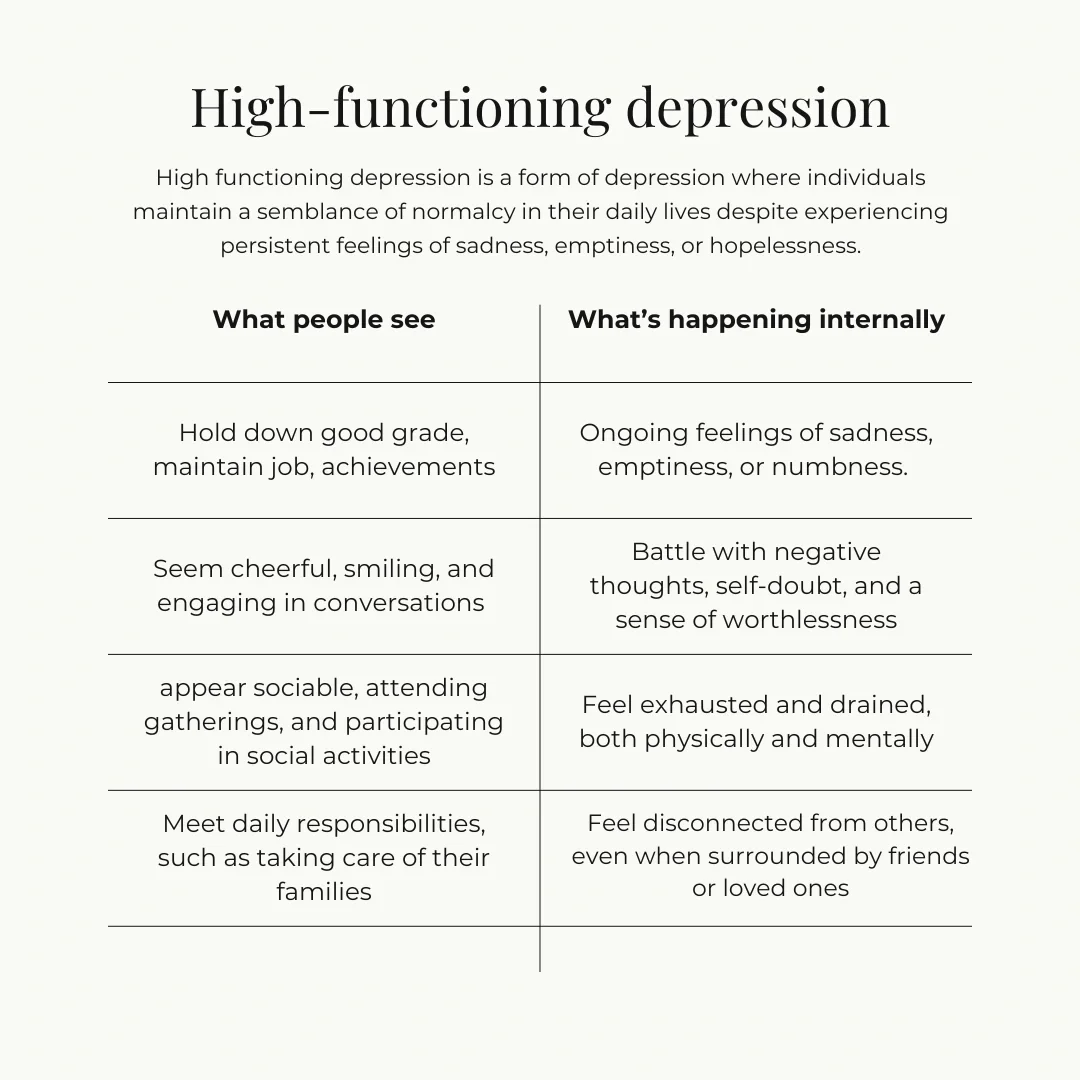
Managing holiday loneliness isn't about forcing yourself to feel joyful or pretending everything is fine. It's about honoring your experience and finding what actually helps you feel more grounded. Here are some strategies:
Give yourself permission to feel lonely: Fighting or shaming yourself for loneliness only makes it worse. Acknowledge the feeling: "I feel lonely right now, and that's okay. This is hard, and I'm doing my best."
Challenge the narrative that you're alone in this: Remind yourself that countless people feel exactly the way you do during the holidays. Loneliness doesn't mean you're unworthy, it means you're human.
Create meaning on your own terms: You don't have to participate in traditions that feel empty or painful. What would genuinely comfort you? A quiet evening with your favorite movie? A walk in nature? Giving yourself permission to define your own version of the season can be incredibly freeing.
Limit social media exposure: If scrolling makes you feel worse, give yourself permission to step away. You don't need to watch everyone else's highlight reel while you're struggling.
Reach out intentionally: If there's someone in your life who feels safe, let them know you're having a hard time. Even a simple text saying "this season is tough for me" can ease the isolation.
Connect with others who understand: Online communities, support groups, or even just one person who gets it can make all the difference. You're not meant to carry this alone.
Be gentle with yourself: The holidays can be survival mode for some people, and that's okay. Rest when you need to. Say no to things that drain you. Your well-being matters more than anyone's expectations.
How Therapy Can Help You Feel More Connected and Supported
Therapy provides a space where your loneliness is met with compassion, not judgment. It's a place where you don't have to pretend everything is okay or perform holiday cheer you don't feel.
In trauma-informed therapy, we explore why loneliness feels so overwhelming right now—whether it's rooted in childhood experiences, toxic relationships, unresolved grief, or current life circumstances. We work together to:
Regulate your nervous system: Loneliness keeps your body in a state of stress. Through somatic techniques and Internal Family Systems (IFS) therapy, we help your nervous system calm and feel safer, even when external circumstances haven't changed.
Challenge internalized shame: Many people believe their loneliness means they're unlovable or broken. Therapy helps you see that loneliness is a response to real experiences, not evidence of your worth.
Process grief and loss: If the holidays bring up painful memories or absence, therapy provides a place to honor that grief without rushing to "get over it" or "be positive."
Rebuild a sense of connection: Therapy itself becomes a relationship where you're seen, heard, and valued. That experience of connection, of being truly met by another person, can begin to shift how lonely you feel in the world.
For clients healing from narcissistic abuse, emotionally immature parents, or toxic relationships, the holidays can be especially difficult. Therapy helps you navigate complicated family dynamics, set boundaries that protect your peace, and release the guilt that often comes with choosing yourself.

I offer focused therapy intensives for adults who are still functioning but feel worn down by constant pressure, anxiety, or patterns that no longer work. This work is designed for people who want depth, clarity, and relief without labels or long-term weekly therapy. If you’re in North Carolina, South Carolina, or Pennsylvania and curious whether an intensive format could be supportive, you’re welcome to learn more.
Join me on Instagram, Pinterest and TikTok for more educational tips, trauma recovery insights, and updates on therapy intensives in Pennsylvania, North Carolina, and South Carolina.
Disclaimer
The content shared here is for educational and informational purposes only. It is not a substitute for psychotherapy, medical care, or individualized mental health treatment. Reading this blog or engaging with my content does not establish a therapeutic relationship.
If you are experiencing significant distress or feel you need personalized support, I encourage you to seek care from a licensed mental health professional in your state. Therapy is deeply personal, and the right support should be tailored to your specific needs, pace, and circumstances.
For adults located in North Carolina, South Carolina, or Pennsylvania who are seeking focused, confidential support, I offer customized therapy intensives designed to address chronic stress, internal pressure, and patterns that no longer work. Information about these services can be found throughout this site.
About the Author
Mariah Zur, LPC is a licensed therapist who works with high-achieving adults navigating chronic stress, internal pressure, and the quiet unraveling that can happen beneath outward success. Her work is especially suited for individuals who are highly functional, deeply self-aware, and exhausted from holding everything together.
Mariah offers therapy intensives for adults seeking focused, contained support without labels, long-term weekly therapy, or unnecessary exposure. Her approach is grounded, relational, and nervous-system informed, helping clients slow the internal spiral, regain a sense of control, and move forward with clarity and steadiness.
She provides intensive therapy services online across North Carolina, South Carolina, and Pennsylvania, with in-person options available in Raleigh, NC.
Credentials
Mariah J. Zur, MS, LPC
Licensed Professional Counselor
Doctoral Student, Counselor Education and Supervision
